Zombie knives are a specifically banned category in some countries — here's what defines one.
"Zombie knife" isn't just a colorful marketing term — in several countries, most notably the UK, it's become a specific, legally defined and banned category of knife, distinct from ordinary fixed-blade knives that might look superficially similar.
What Defines a Zombie Knife
A zombie knife typically refers to a large fixed-blade knife, often aggressively serrated along the spine or featuring an exaggerated, horror-themed design, frequently marketed with skull, blood, or "zombie apocalypse" branding and imagery. The category is defined less by any single functional feature and more by a combination of size, aggressive serration, and marketing presentation that legislators have specifically targeted. UK statute has, over time, gotten more specific — the current definition covers blades with a cutting edge over roughly 14cm, a serrated edge, and either two or more holes in the blade or words/images suggesting the knife is intended to cause injury.
Why It Became a Distinct Legal Category
Several countries, the UK most prominently, identified zombie-style knives as disproportionately associated with public knife-crime incidents relative to ordinary kitchen, pocket, or hunting knives, and responded by naming and banning the category specifically — rather than relying solely on general blade-length or carry restrictions that also apply to ordinary utility knives. UK legislation targeting this category has been tightened and expanded over time (most recently in 2024) as manufacturers adjusted designs — removing the holes or the horror branding — to work around earlier, narrower definitions.
How This Differs From an Ordinary Fixed-Blade Knife
A hunting knife, a Bowie knife, or a machete — even a large one — is generally regulated under the ordinary knife-law framework of blade length, carry restrictions, and location rules that apply broadly. A zombie knife, once it meets a jurisdiction's specific legal definition, can face outright possession or sale bans regardless of those general rules, precisely because it's been named as its own category. The deciding factors are the combination of serration, holes/branding, and marketing language — not raw size — so a large but plainly-made fixed blade built for camp or field use isn't automatically swept into the category.
Zombie Knife Bans vs. US Knife Law
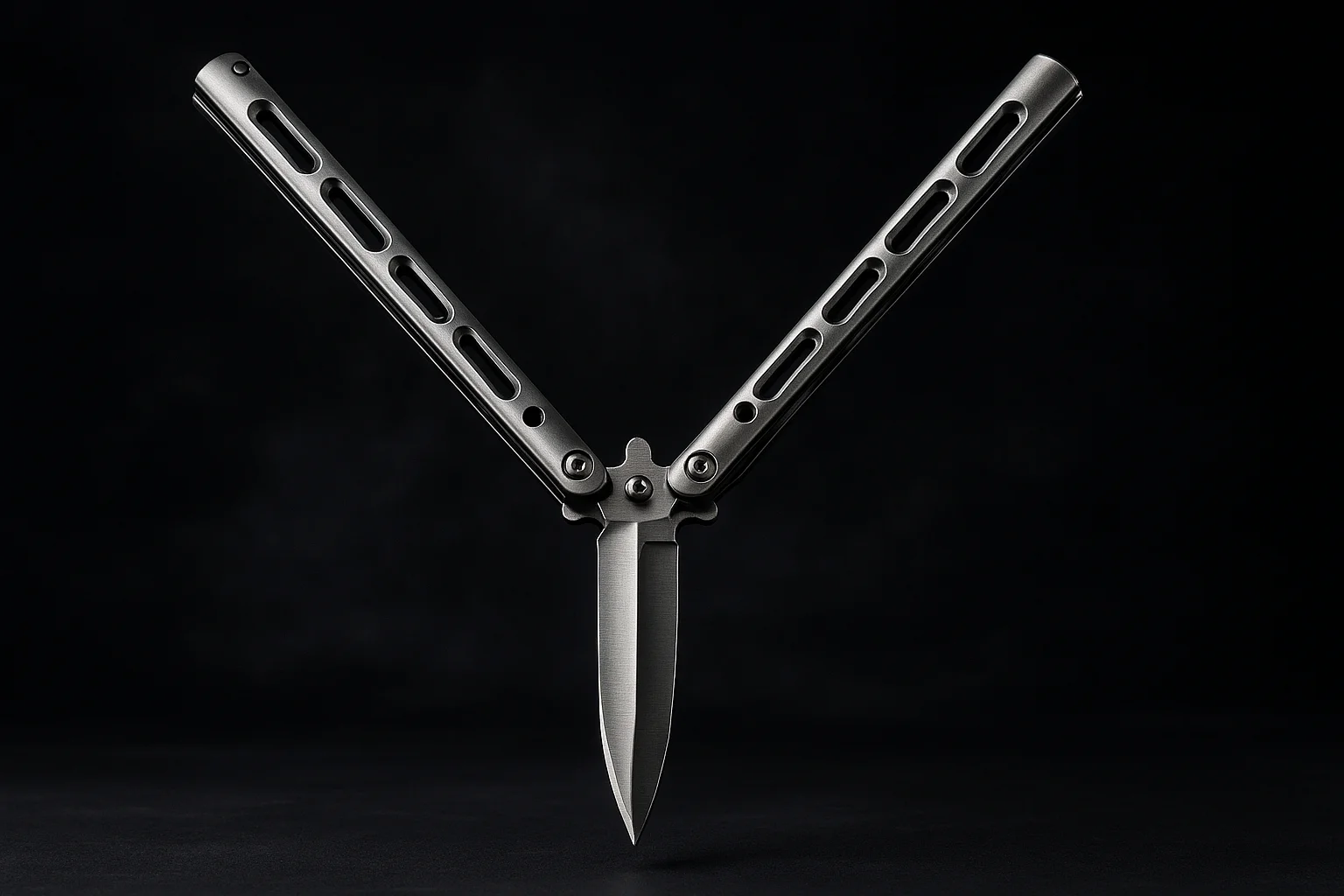
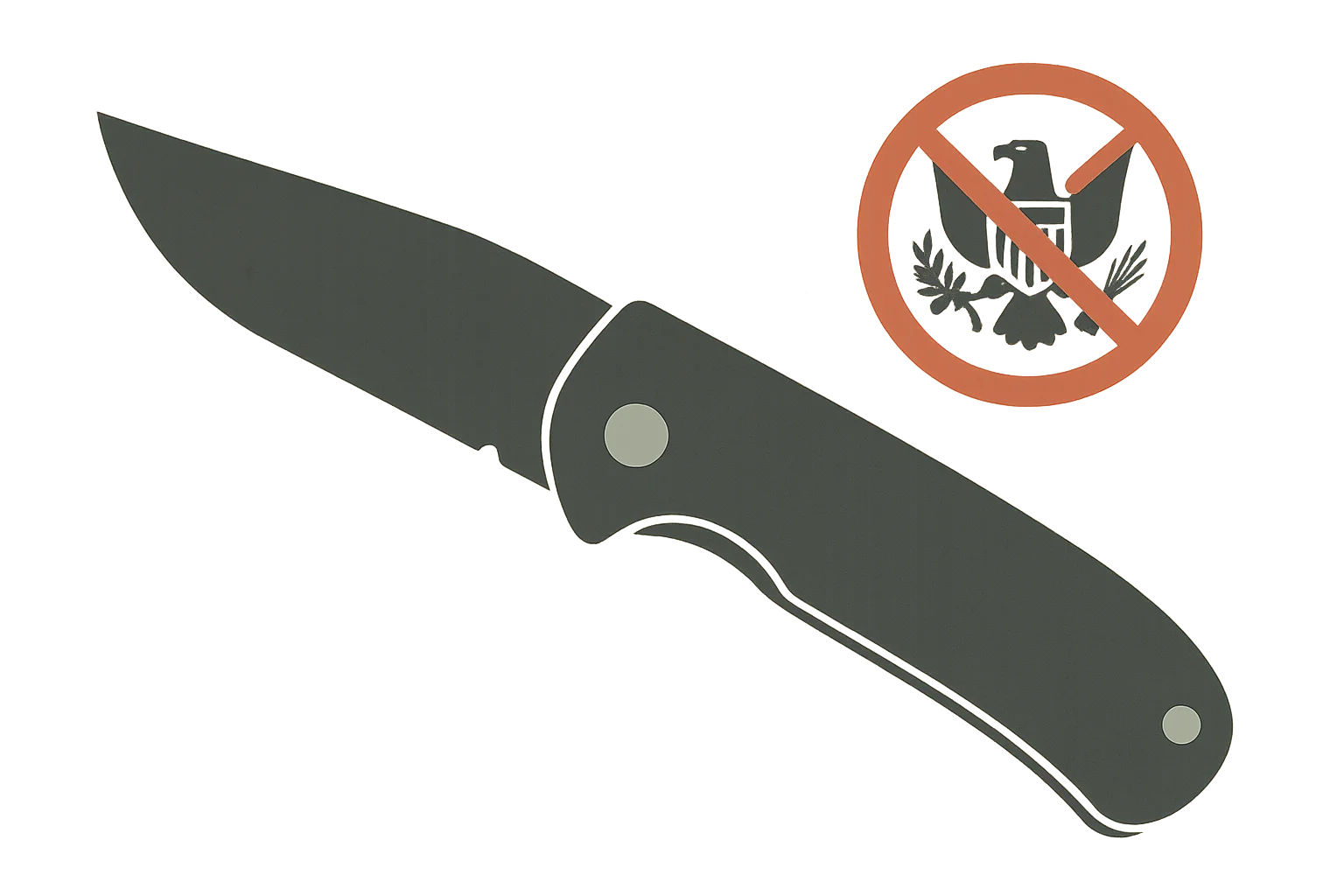
The "zombie knife" legal category, as such, is a UK creation — it isn't a defined term in US federal law or in most US state statutes. In the US, a large aggressively-styled fixed blade is instead evaluated under whatever general framework a given state already applies to fixed blades: blade-length limits, restricted-type lists, and carry (open vs. concealed) rules. See our guides to California, Texas, and other state knife laws for how that plays out in practice, and our UK knife law guide for the fuller picture of what's actually banned there, since zombie knives are only one part of a broader UK restricted list that also includes butterfly knives and disguised blades.
Zombie Knife Meaning: Quick Definition
In plain terms, a zombie knife is a large, aggressively styled fixed-blade knife, usually with a serrated spine, cut-outs or holes in the blade, and horror or "zombie apocalypse" branding. The name is a marketing label that lawmakers then turned into a legal definition, which is why the exact rules depend on the country.
Zombie Knife Laws by Country
- United Kingdom: zombie-style knives were added to the offensive weapons ban, and a tighter definition and possession ban took effect in September 2024. Selling, importing, or possessing one is now an offence, with narrow exceptions.
- United States: there is no federal "zombie knife" category. A large serrated fixed blade is judged under each state's fixed-blade, length and carry rules. See the Texas, California and Florida guides.
- Other countries: several restrict aggressively styled blades under general offensive-weapons laws, often without using the zombie knife name.
Where This Matters
This distinction matters most for retailers and buyers dealing with UK and similar markets, where a knife's marketing and design features (not just its size) can determine whether it falls into a banned category. It's also a useful category to understand generally, since "zombie knife" bans are sometimes cited loosely in US discussions of knife policy even though the specific legal category is most developed and enforced in the UK.
Why We Don't Carry This Category
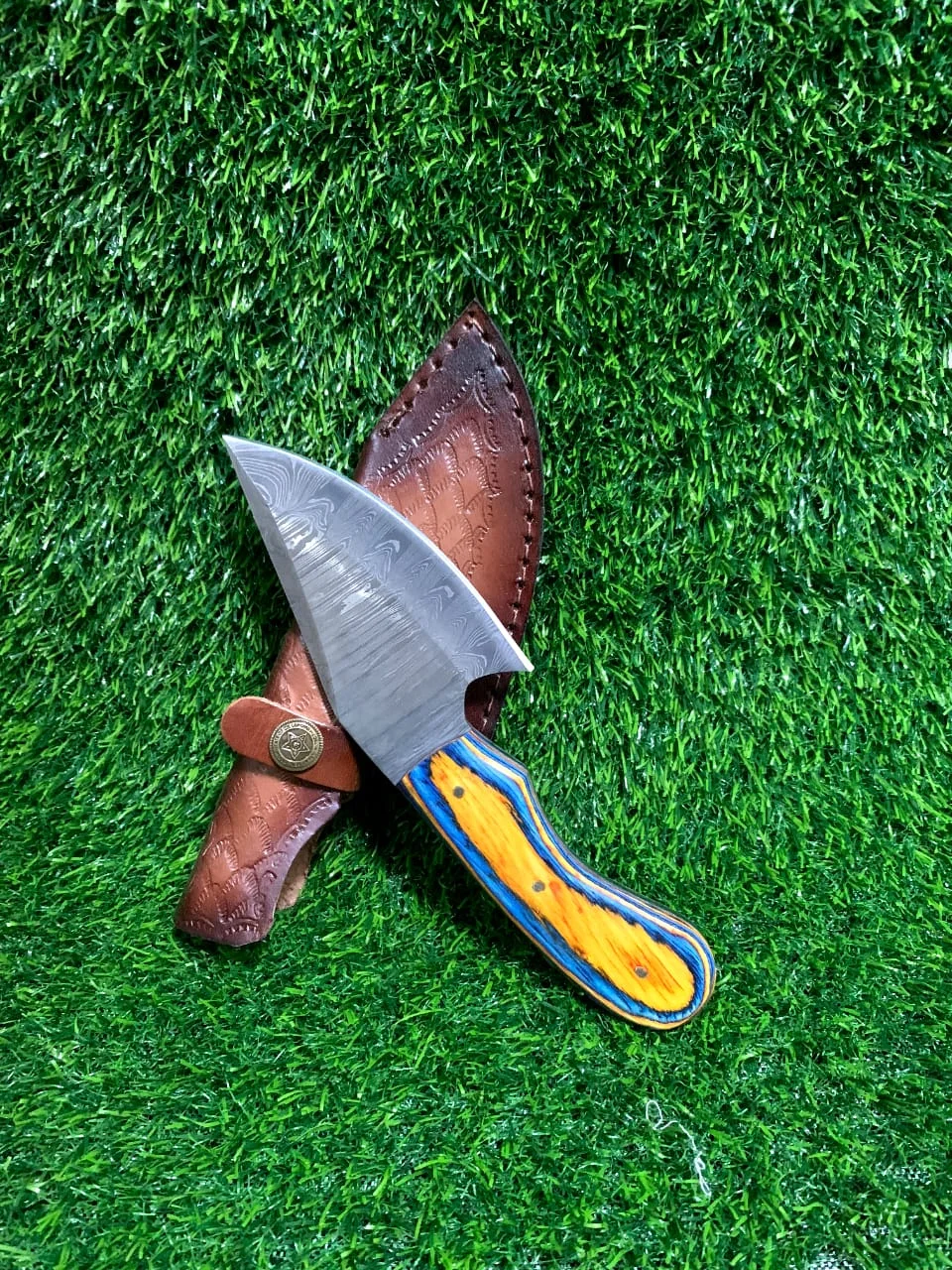
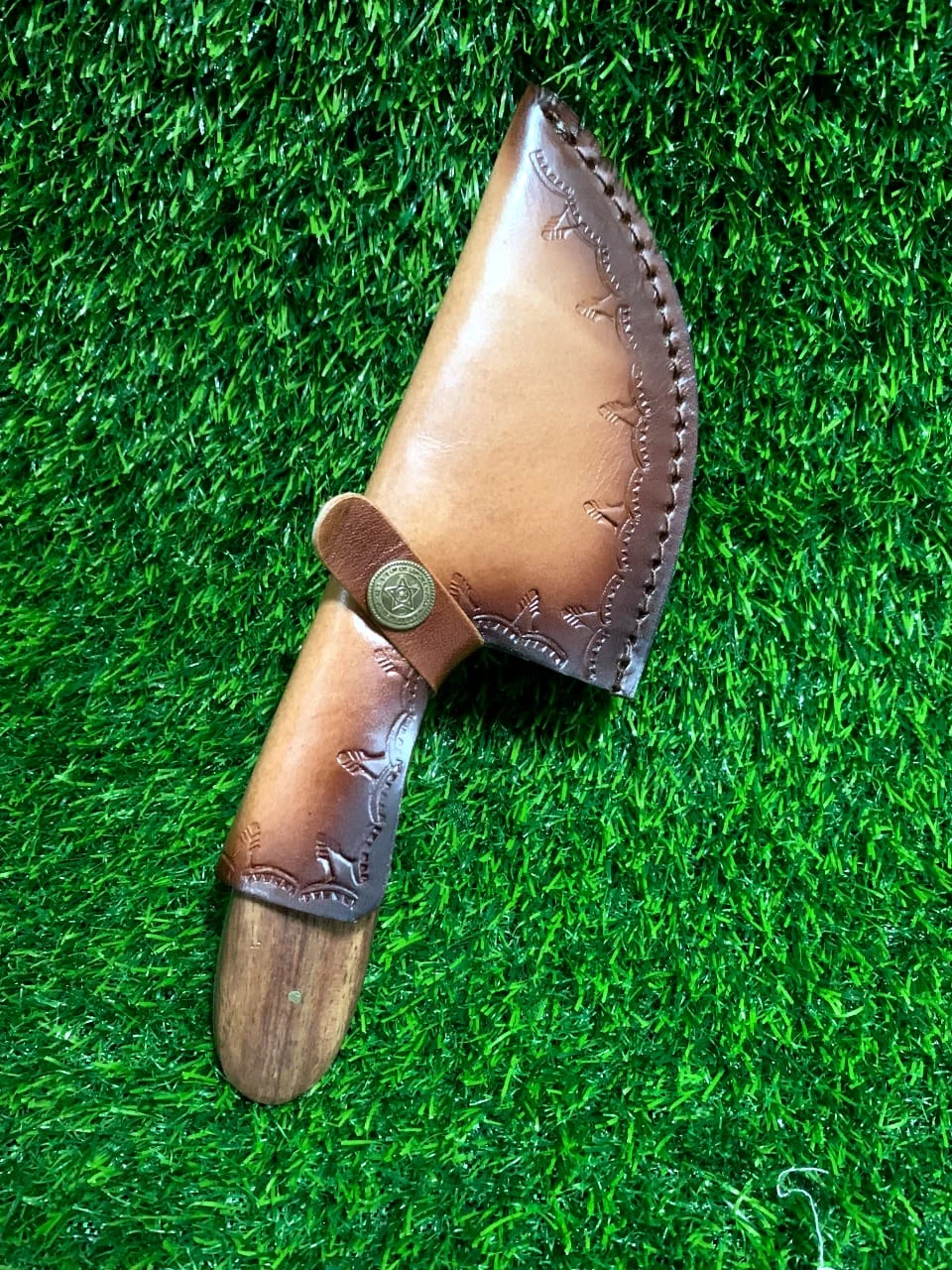
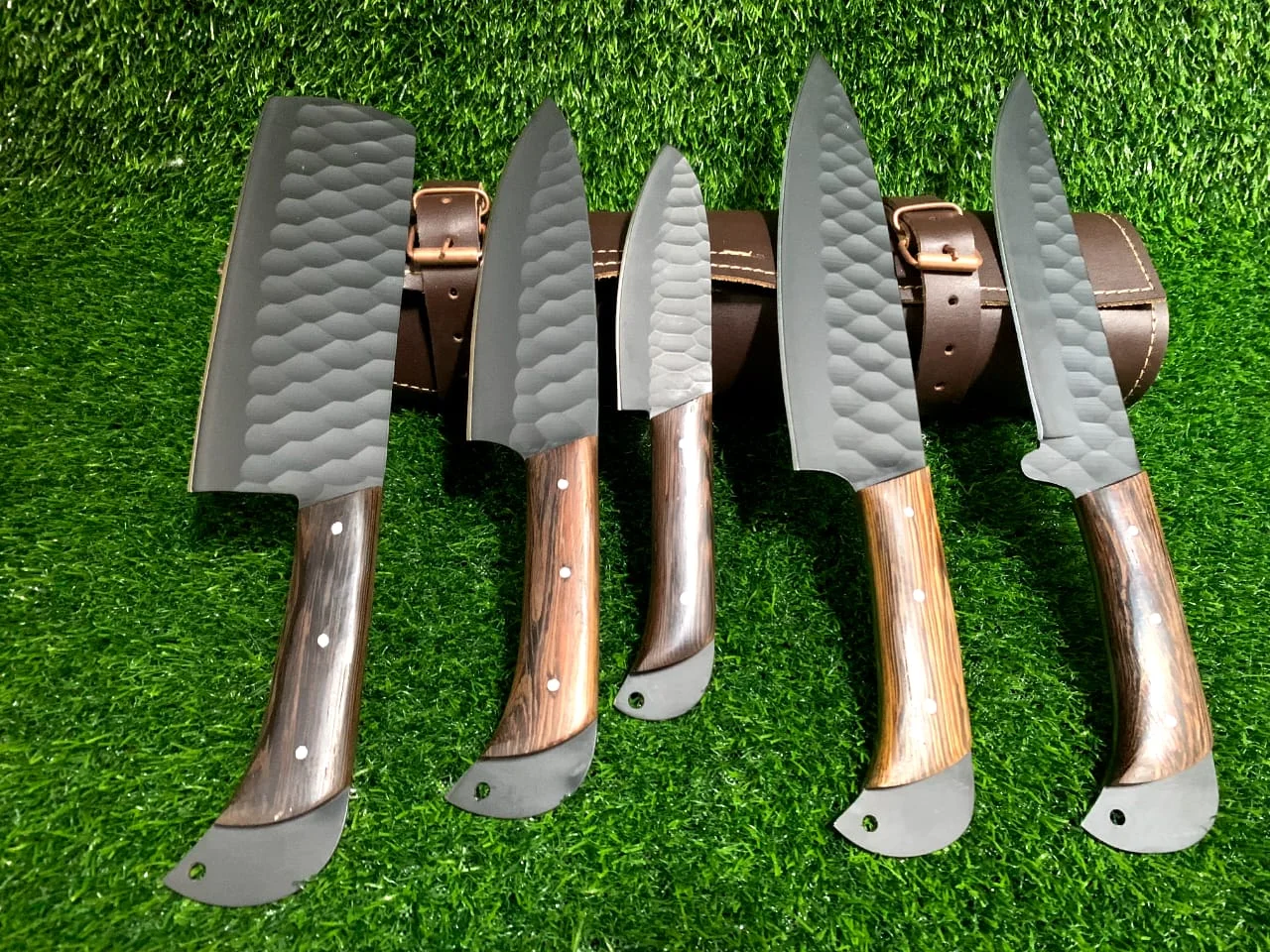
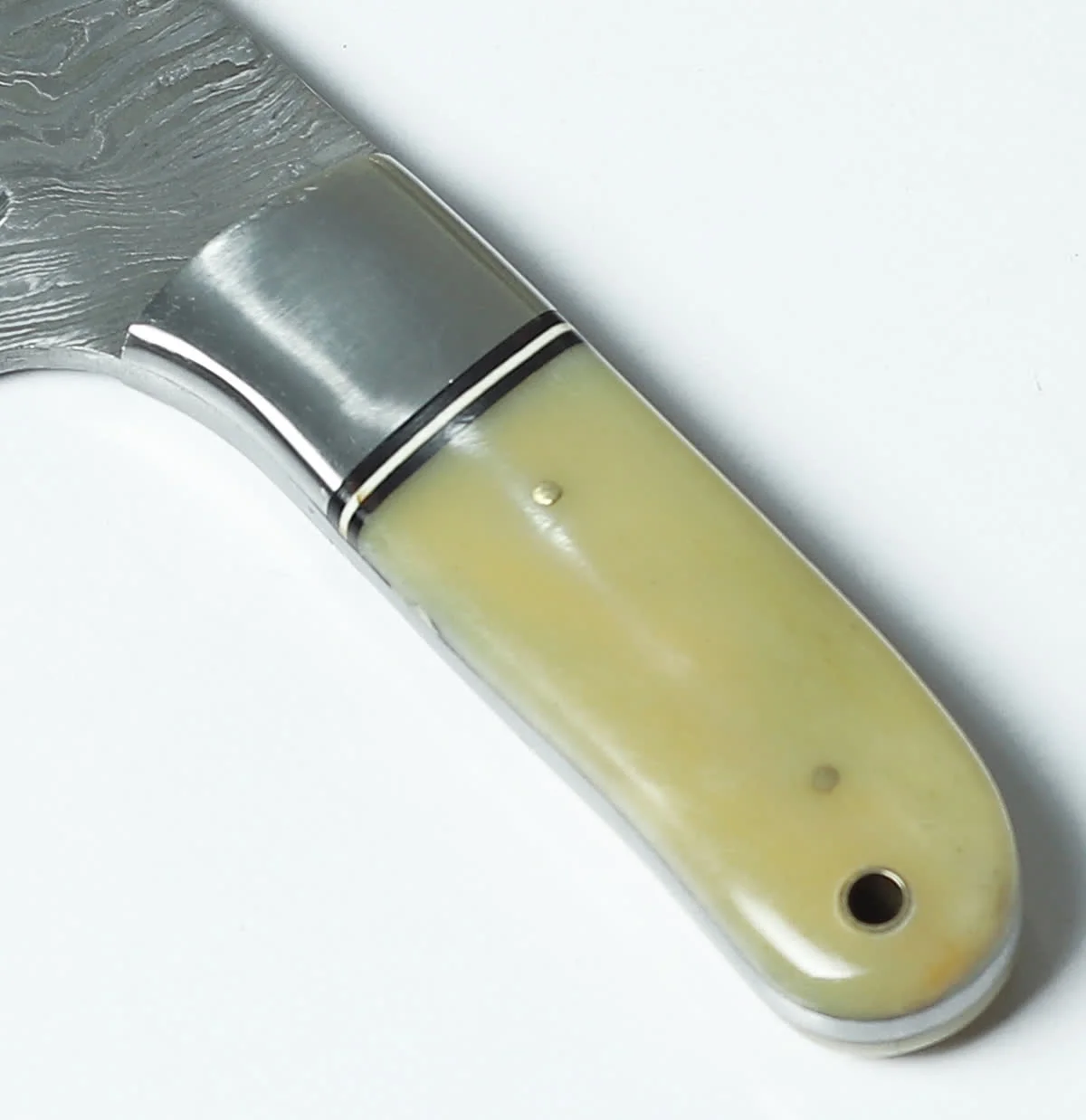
Zombie-style knives aren't part of our catalog — our focus is traditional, functional Damascus and craft cutlery built for kitchen, EDC, and outdoor use, not the horror-themed, aggressively marketed design language that defines this specific banned category. If what you're actually after is a large, capable fixed blade for camp, field, or collection use, a traditional hunting or bushcraft knife or a hand-forged custom Damascus blade covers the same "substantial fixed blade" territory without the legal ambiguity.
This article is general information, not legal advice. Zombie knife legislation has changed significantly over recent years, particularly in the UK — verify current law in your specific jurisdiction.

Comments (0)
No comments yet. Be the first to share your thoughts!
Leave a comment
Your comment will appear after it's reviewed. Your email is never shown publicly.