UK knife law is far stricter than the US — here's what's banned and what's still legal to own.
UK knife law surprises a lot of Americans researching it for the first time, because it's built on a fundamentally different premise than most US state law. Rather than setting a blade-length cap and letting anyone carry under it, UK law generally requires a specific, legitimate reason to carry a knife in public at all — and separately bans a named list of knife types outright, regardless of length or reason.
The General Public Carry Rule
It's generally an offense in the UK to carry a knife in public without "good reason," even for an ordinary pocket knife, unless it falls under a specific narrow exemption. This is the opposite default from most US states, where carrying an ordinary knife is generally allowed unless specifically restricted.
The Folding Knife Exemption
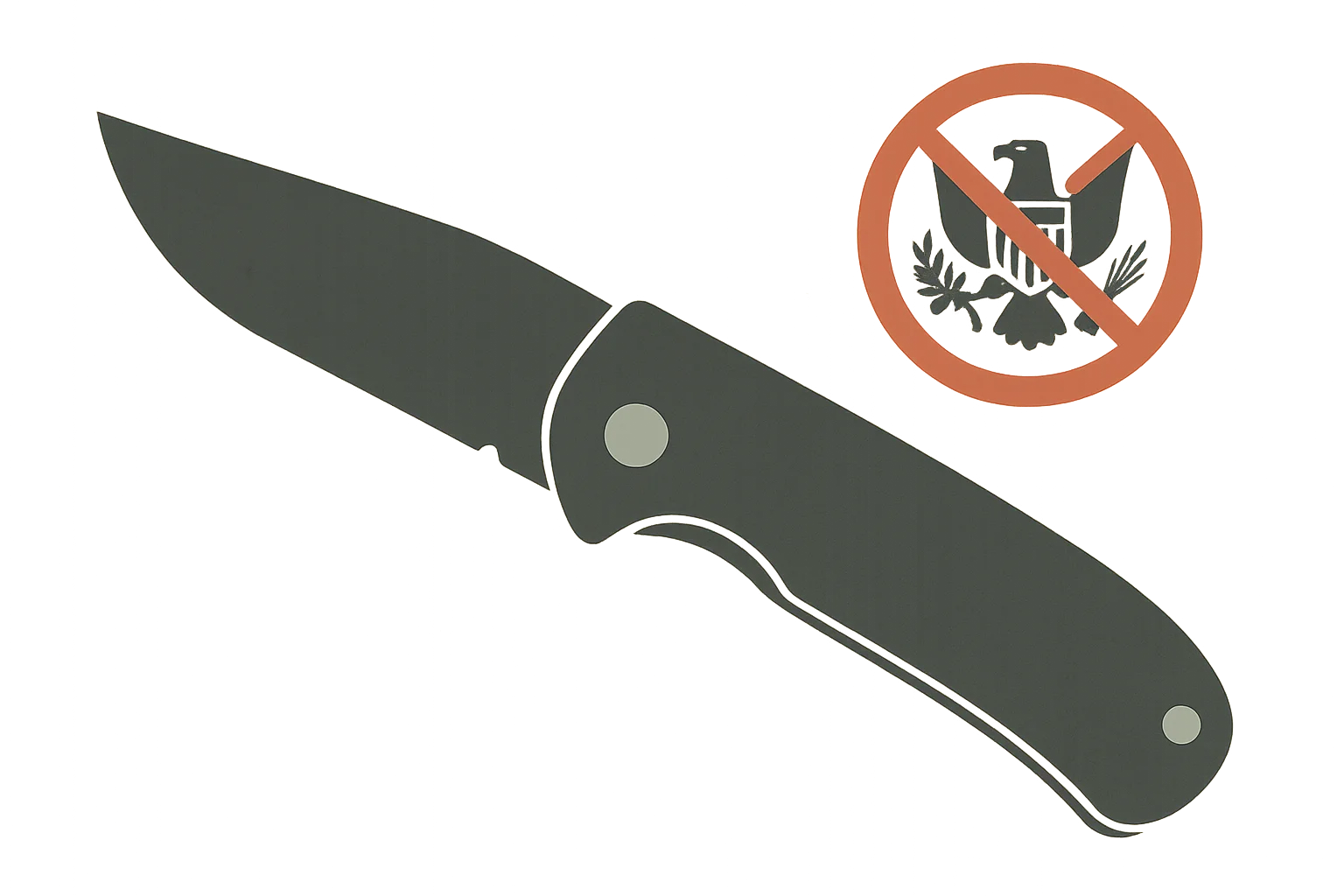
There's a narrow, commonly cited exemption for folding knives with a blade of 3 inches (7.62 cm) or less that don't lock in the open position — often called a "peace knife" or similar informally, though it's simply an exemption within the broader offense, not a separate legal category with its own name in most contexts. A locking folder, even under 3 inches, generally falls outside this narrow exemption and needs a "good reason" to carry like any other knife.
What Counts as "Good Reason"
Good reason typically includes things like carrying a knife for work purposes (a chef traveling to a job, for example), for a specific and genuine hobby or sporting activity, or as part of a national costume or religious requirement in narrow, specifically recognized circumstances. General "I might need it" everyday-carry reasoning does not typically satisfy this standard the way it would in a permissive US state.
Named Banned Knife Types
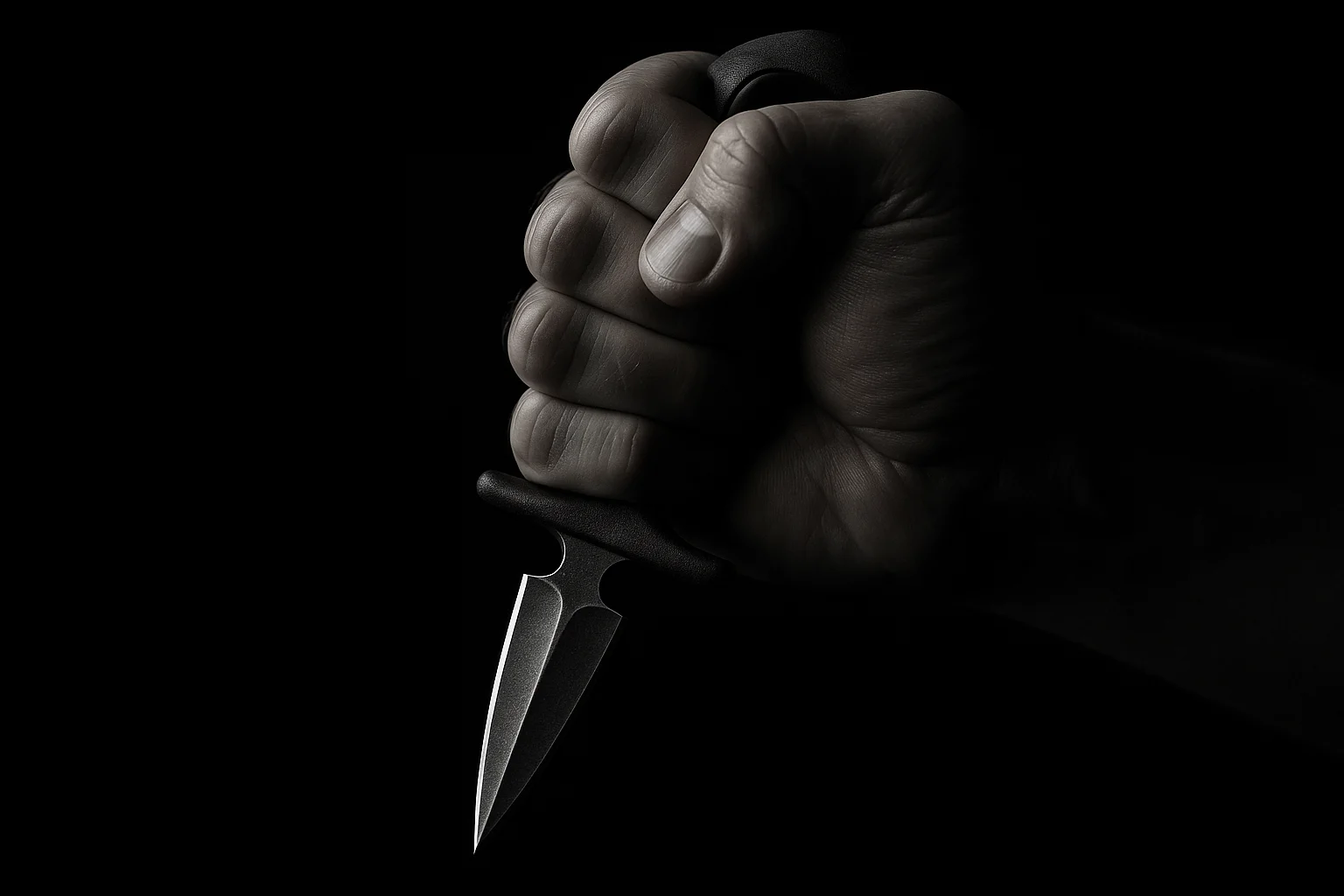
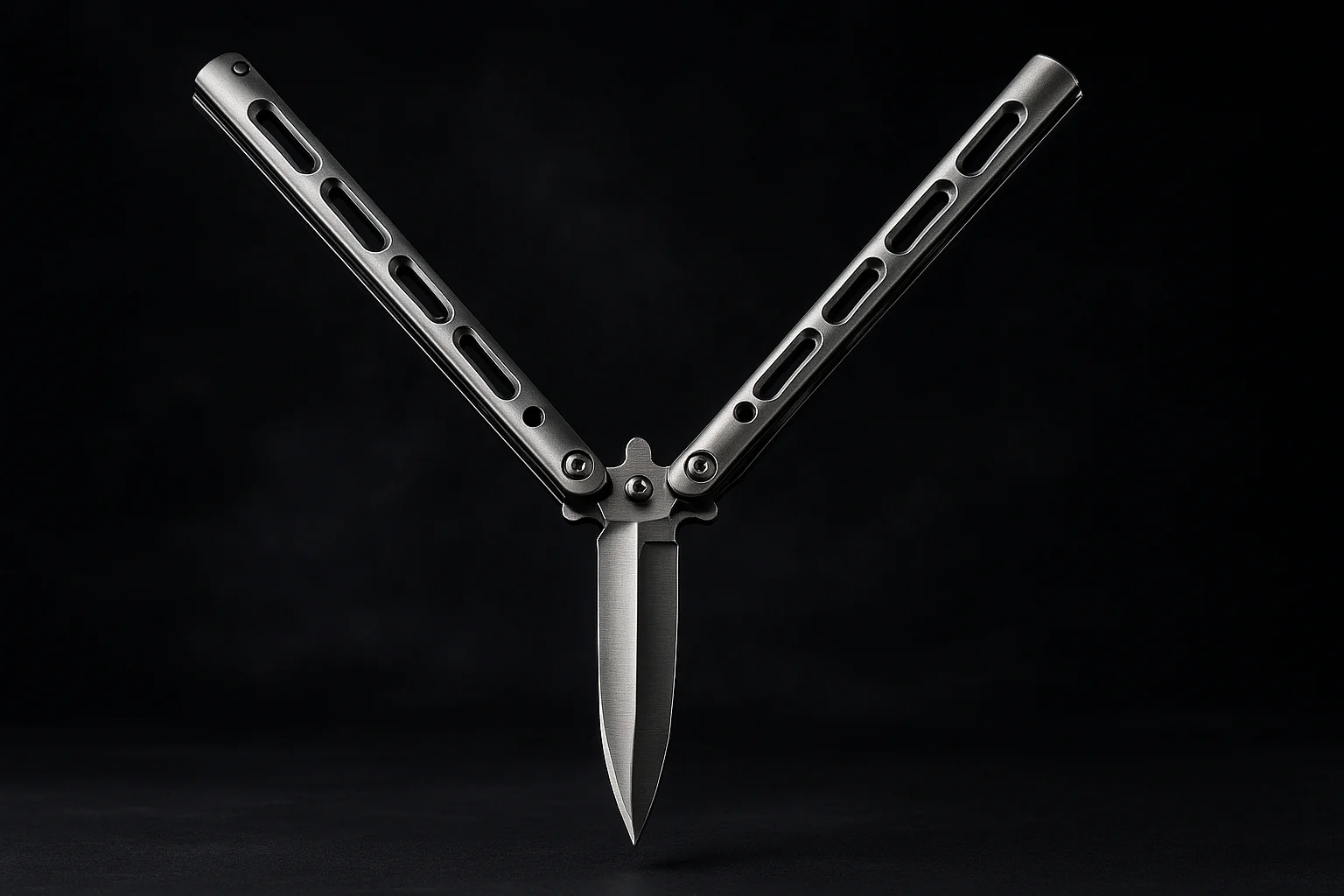
Separate from the general carry framework, UK law bans a specific list of named knife types outright — meaning possession, sale, or import can be restricted regardless of length or stated reason. This list has expanded over time and has included types like zombie knives, butterfly knives, disguised knives (like belt-buckle knives), and other specifically named categories, with "zombie knife" bans in particular tightened significantly through recent legislation targeting large, aggressively marketed blades.
How This Compares to US Law
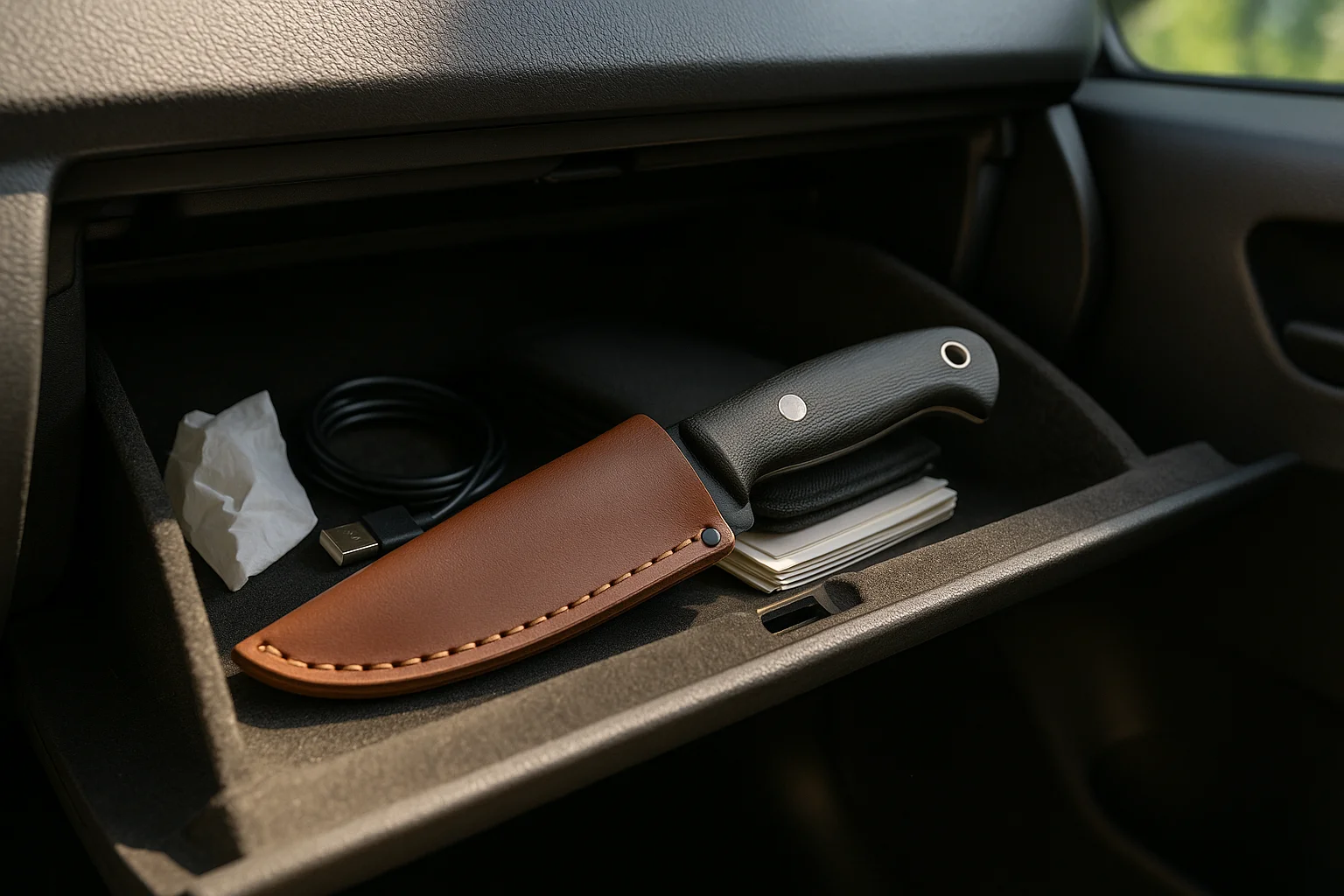
The core difference is the default assumption: most US states start from "carrying an ordinary knife is generally fine, with specific restrictions," while the UK starts from "carrying a knife in public generally needs a specific good reason, with a narrow exemption for very small non-locking folders." This matters directly for anyone shipping or traveling internationally with a knife between the two systems, since a perfectly ordinary EDC folder under US law can be a genuine legal problem to simply carry in the UK without a qualifying reason.
Practical Takeaway for International Buyers and Travelers
- A knife legal to carry casually in most US states may not be legal to casually carry in the UK without a specific good reason.
- The under-3-inch, non-locking folding knife exemption is narrow — a locking folder of any length generally doesn't qualify.
- Named banned categories (zombie knives and similar) are restricted regardless of length or stated reason.
This article is general information, not legal advice. UK knife law has been actively tightened through recent legislation — verify current law directly before traveling, shipping knives internationally, or carrying in the UK.



Comments (0)
No comments yet. Be the first to share your thoughts!
Leave a comment
Your comment will appear after it's reviewed. Your email is never shown publicly.