Balisong knives are banned in several states — here's the history of the butterfly knife and where it's legal.
Long before balisong flipping became an internet spectacle, the butterfly knife was a working folk tool — and its distinctive dual-handle design, now mostly associated with trick videos, actually serves a practical function that predates any of that by generations.
Origins
The balisong, commonly known in the West as the butterfly knife, has documented origins in the Philippines, where it developed as an everyday utility and self-defense knife long before it gained its modern reputation. Some accounts trace folding-knife designs with similar dual-handle mechanisms even further back across other regions, but the balisong specifically is most strongly associated with Filipino cutlery tradition.
How the Mechanism Works
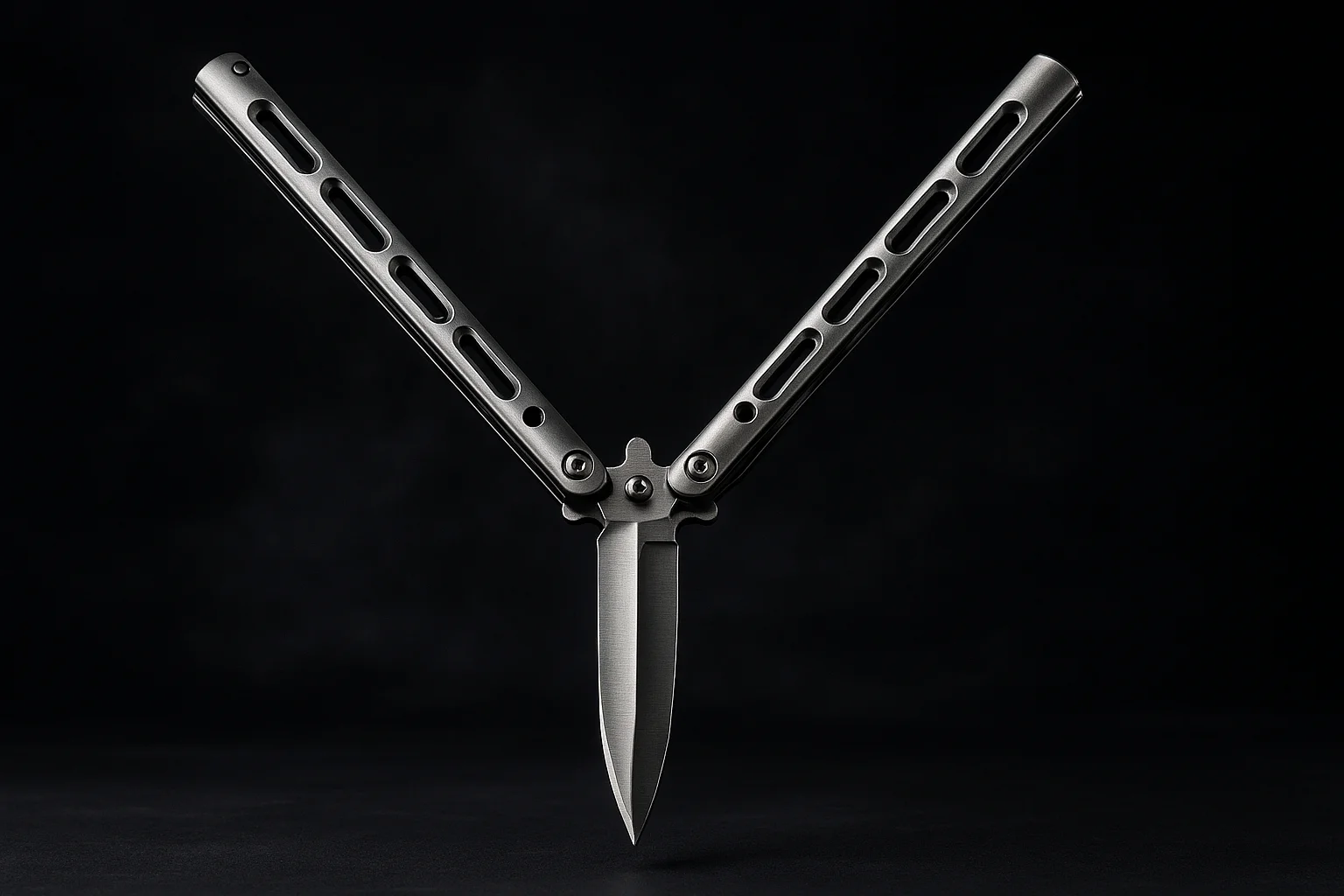
Unlike a standard folding knife with a single handle that pivots around the blade, a butterfly knife has two counter-rotating handles, each covering roughly half the blade when closed. Opening it involves swinging both handles apart and around until they meet again behind the exposed blade, where a latch secures them closed around the spine. This two-handle design was originally practical — it protected the edge fully when closed while allowing quick, one-handed opening once the technique was learned.
Why It Became Associated With Flipping Tricks
The balisong's opening mechanism, once mastered, allows for a wide range of flourishing manipulation techniques — spins, rolls, and flips — that became a demonstrated skill among both traditional users and, much later, a broader hobbyist and entertainment audience through film and online video. This visual, trick-friendly aspect has become the dominant modern association with the knife type, somewhat overshadowing its practical utility origins.
Why Are Butterfly Knives Illegal in Some States?
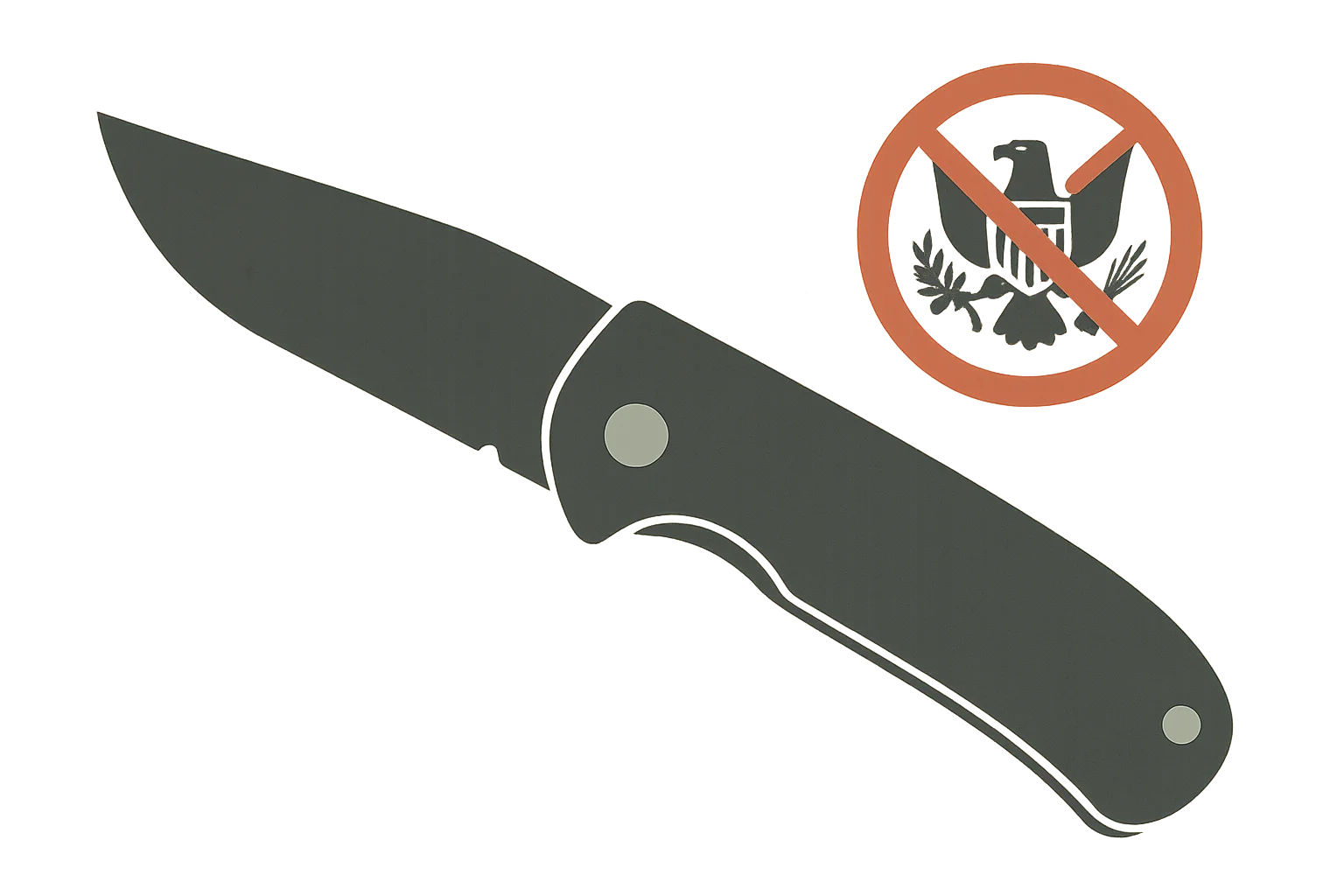
There is no single reason, and no US federal ban on owning one. States that restrict balisongs usually do so because the knife can be opened one-handed in a fraction of a second, is easy to conceal when closed, and looks like the switchblades and gravity knives lawmakers targeted in the 1950s and later. Some statutes name the balisong directly, while others reach it through broad "gravity knife" or "flick knife" wording. Where bans exist, they often cover carrying or selling rather than simply owning one at home.
Balisong vs. Butterfly Knife
They are the same knife. "Balisong" is the Filipino name, often linked to the Batangas region, and "butterfly knife" is the Western nickname inspired by the handles swinging open like wings. You may also see "fan knife". Training versions with a blunt, unsharpened blade are sold for flipping practice, but some states regulate or ban those too, so check the local rule before buying.
Legal Status in the US
Butterfly knives are restricted or banned in a number of US states, with rules varying based on blade length, specific state definitions, and sometimes carry method — some states classify balisongs under the same restrictions as switchblades or gravity knives due to how quickly they can be opened, even though the actual opening mechanism (two rotating handles) is mechanically distinct from either. Given this variation, checking current state-specific law is necessary before assuming legality.
What to Check Before Owning or Carrying One
- Whether your specific state restricts or bans balisong-style knives.
- Whether restrictions depend on blade length in your state.
- Whether carrying it openly versus concealed changes its legal treatment where you are.
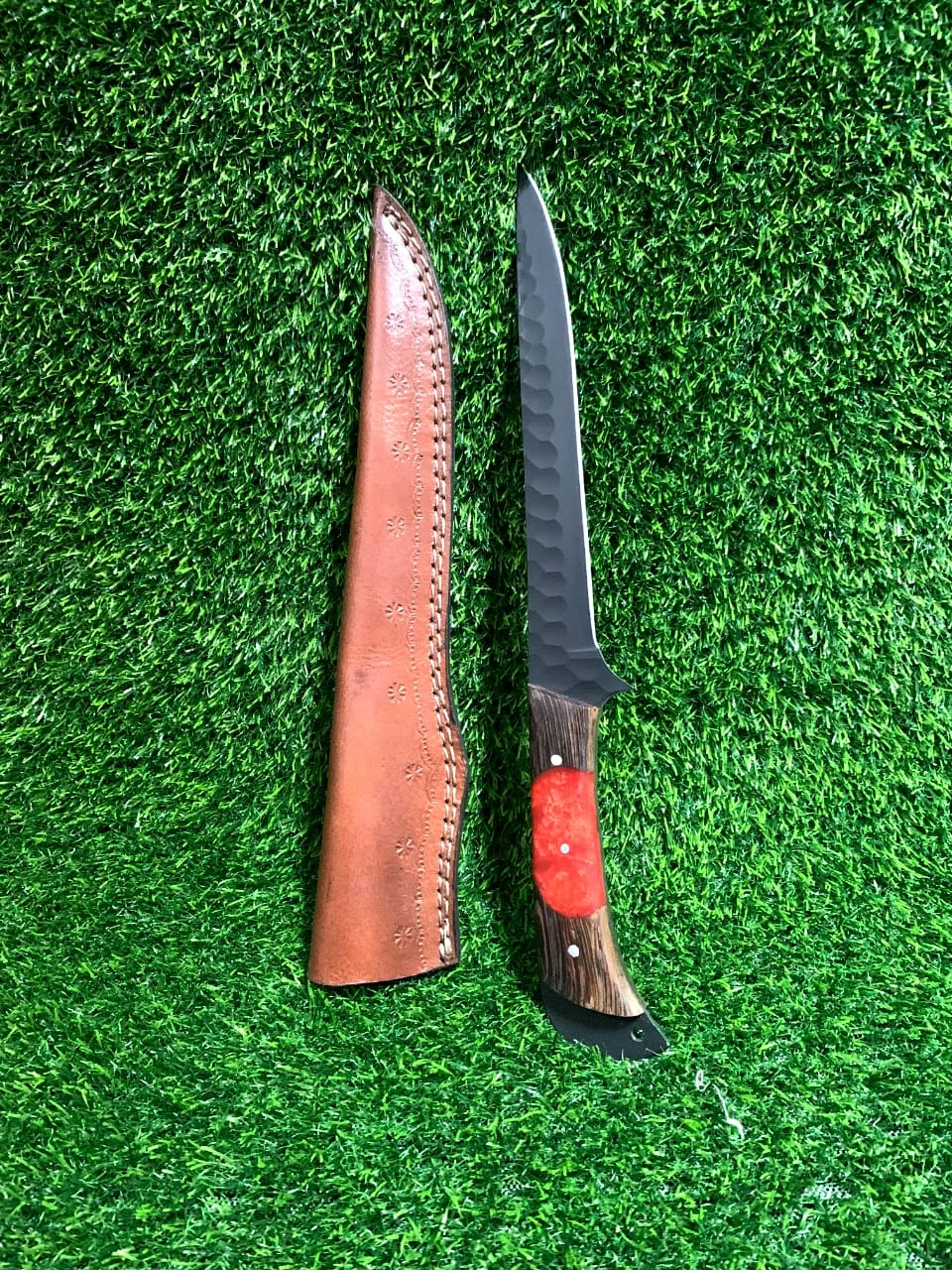
Want the look and feel of a fine folder without the restricted mechanism? Our manual slip-joint knives and pocket knives open by hand and are treated like ordinary folding knives in most places.
This article is general information, not legal advice. Butterfly knife legality varies significantly by state — verify current law before purchasing, owning, or carrying one.


Comments (0)
No comments yet. Be the first to share your thoughts!
Leave a comment
Your comment will appear after it's reviewed. Your email is never shown publicly.