

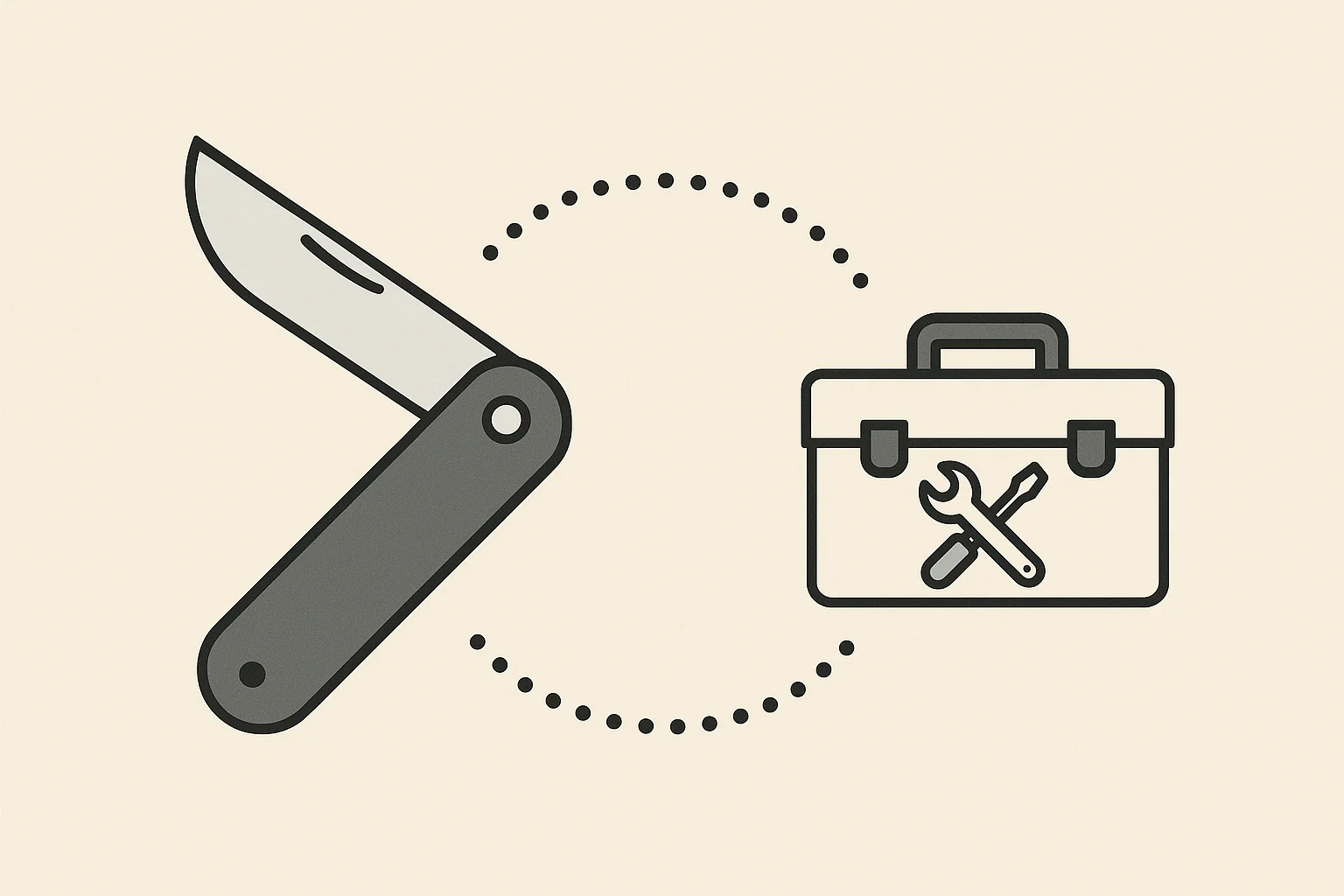
Whether a pocket knife counts legally as a "weapon" or as a "tool" isn't just semantics — it can genuinely change how a knife is treated under the law, what restrictions apply, and how a specific situation is evaluated if it ever comes into question.
The General Legal Framework
In most US jurisdictions, an ordinary folding pocket knife carried under the local length limit (where one exists), not one of the specifically restricted types, and not being used or brandished with unlawful intent, is legally treated as a tool rather than a weapon. This is the default assumption underlying most permissive state knife laws — the statute is written around the idea that most knife carry is for ordinary utility purposes.
Where This Line Gets Drawn
The classification can shift based on several factors:
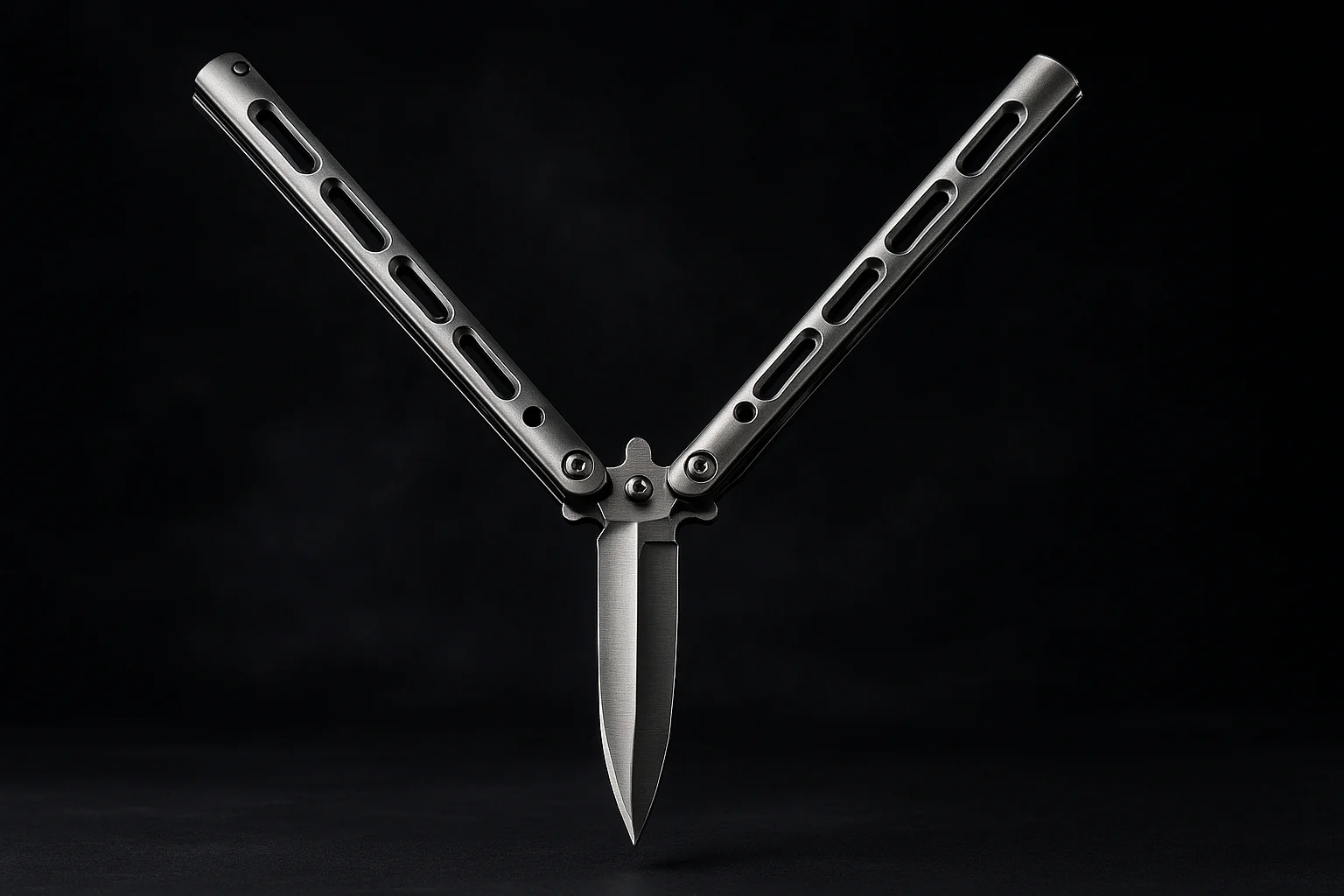
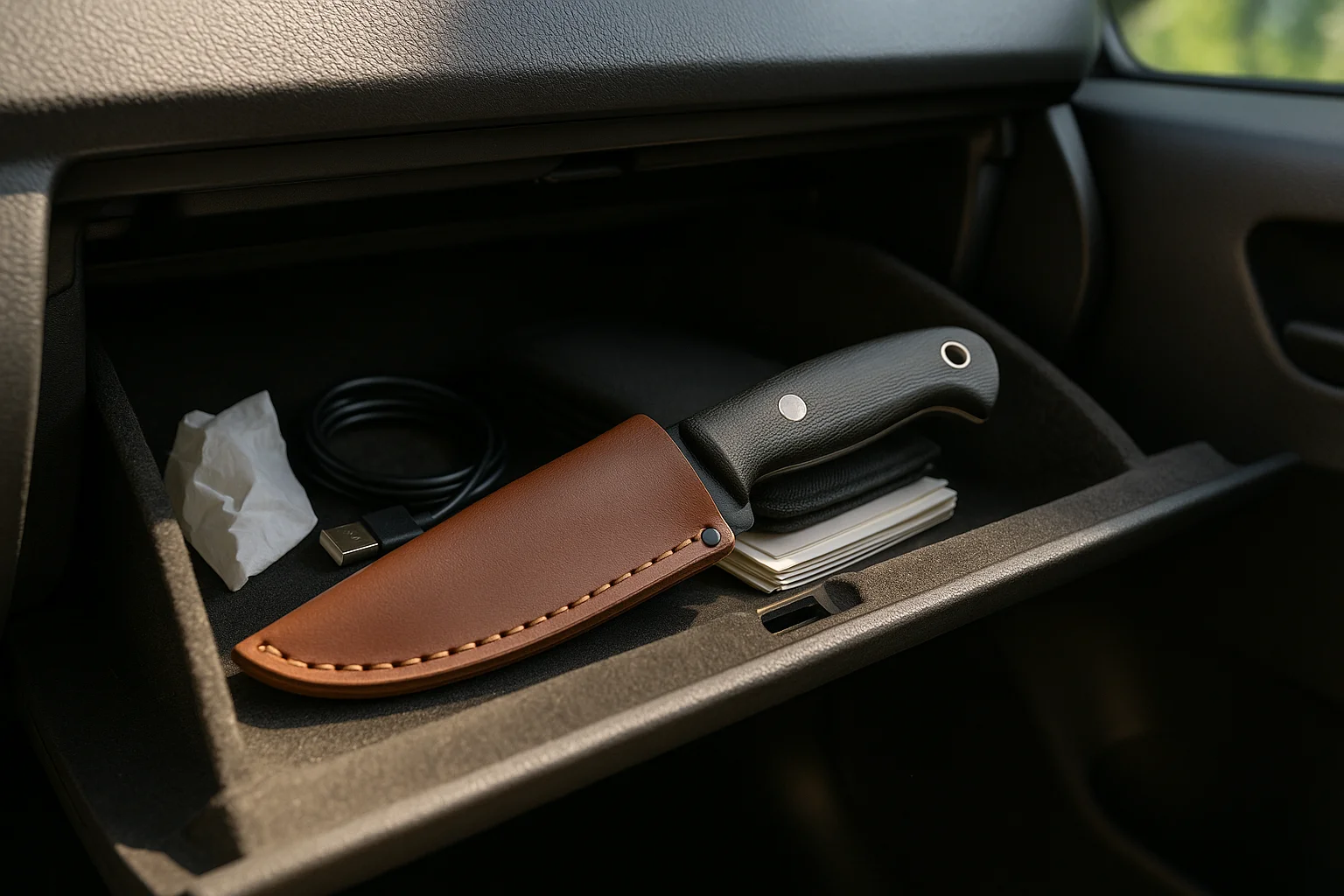
- Type and size: larger fixed blades, specifically restricted types (daggers, switchblades), and knives explicitly designed as combat or fighting knives are more likely to fall into "weapon" territory under specific statutes than an ordinary small folder.
- Intent and use: a knife brandished, displayed threateningly, or used to cause harm is treated as a weapon in that specific context, regardless of what it might otherwise be classified as.
- Location: some locations (schools, for example) treat any knife as a restricted weapon-category item regardless of its ordinary tool classification elsewhere.
- Jurisdiction-specific statute language: the exact legal definitions vary — some states use "weapon" broadly enough to include utility knives in certain contexts, others draw a much clearer tool/weapon distinction.
Why This Distinction Matters
Many state and local weapons-carry restrictions — concealed weapons permits, restricted locations, sentencing enhancements for a "weapon" involved in another offense — hinge on whether an item is legally classified as a weapon in that specific context. An ordinary EDC folder carried and used only for everyday tasks generally avoids these heightened categories, while the same knife used or displayed in a threatening manner can trigger them.
Practical Takeaway
For the overwhelming majority of people carrying an ordinary pocket knife for everyday utility purposes — opening packages, cutting cord, general tasks — the tool classification applies and the "weapon" question rarely comes up in practice. It becomes relevant mainly in edge cases: unusual knife types, specific restricted locations, or situations involving actual or apparent threat.
This article is general information, not legal advice. Whether a specific knife is treated as a tool or a weapon can depend on jurisdiction-specific statute language and context — consult current local law for specifics.
Comments (0)
No comments yet. Be the first to share your thoughts!
Leave a comment
Your comment will appear after it's reviewed. Your email is never shown publicly.