

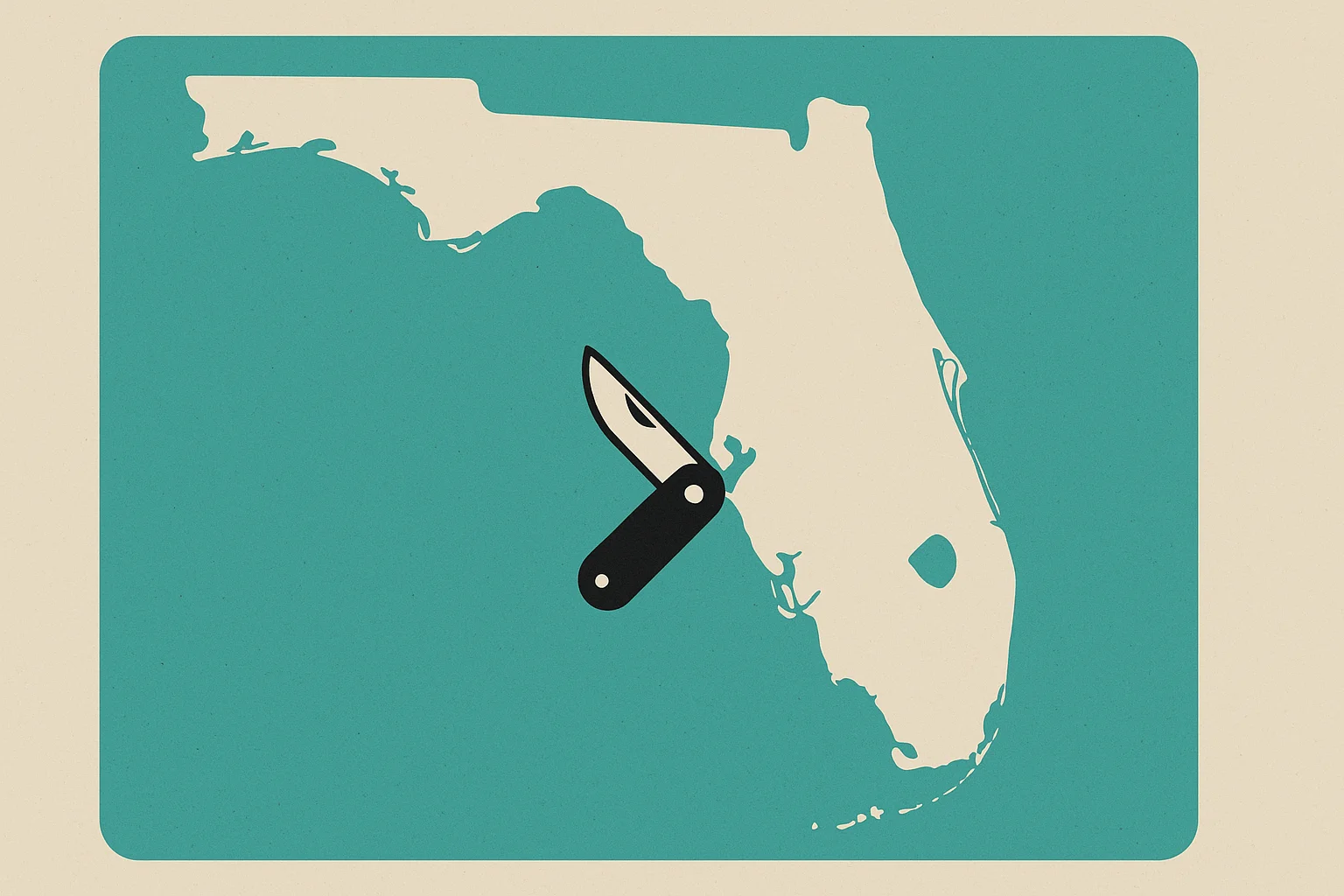
Florida law carves out a specific exemption for what it calls a "common pocket knife" — but the statute doesn't clearly spell out an exact blade-length limit for that exemption, which creates some genuine ambiguity for anyone carrying a larger folder.
The Common Pocket Knife Exemption
Florida law exempts a "common pocket knife" from its general weapons-carry restrictions, recognizing that an ordinary folding knife carried for everyday utility purposes isn't the kind of item the broader weapons statute is meant to restrict. The challenge is that "common pocket knife" isn't defined with a specific numeric blade length in the statute itself, which has historically left some interpretation to case law and local law enforcement discretion.
What's Generally Treated as a Common Pocket Knife
In practice, a small-to-medium folding knife of the kind widely sold and carried for everyday utility tasks — typically in the range most people would recognize as an ordinary EDC folder rather than a large fighting or hunting-style knife — tends to fall within the exemption. Larger folders, and especially large fixed blades, sit in less certain territory and are more likely to fall outside the "common pocket knife" concept.
What Falls Outside the Exemption
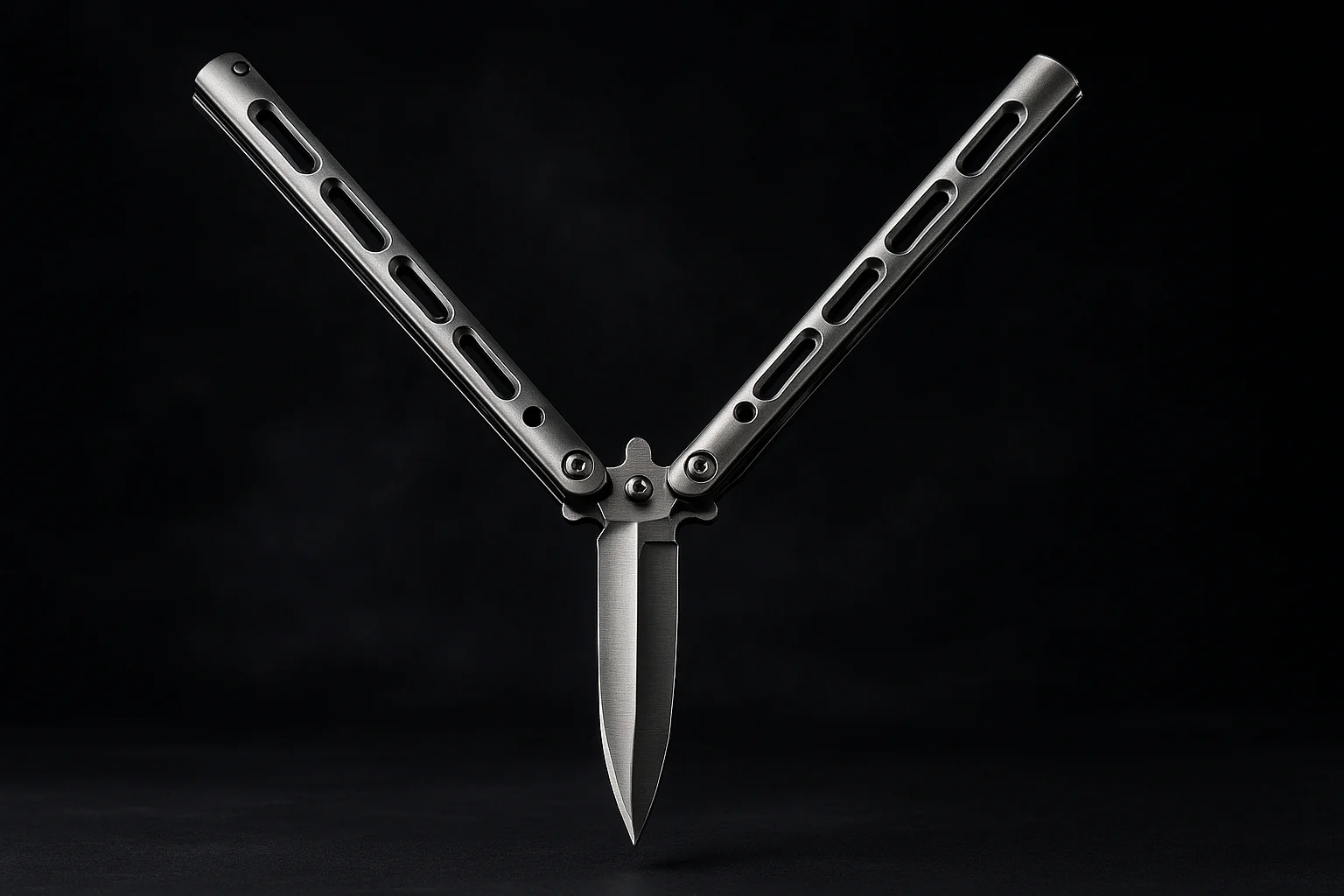
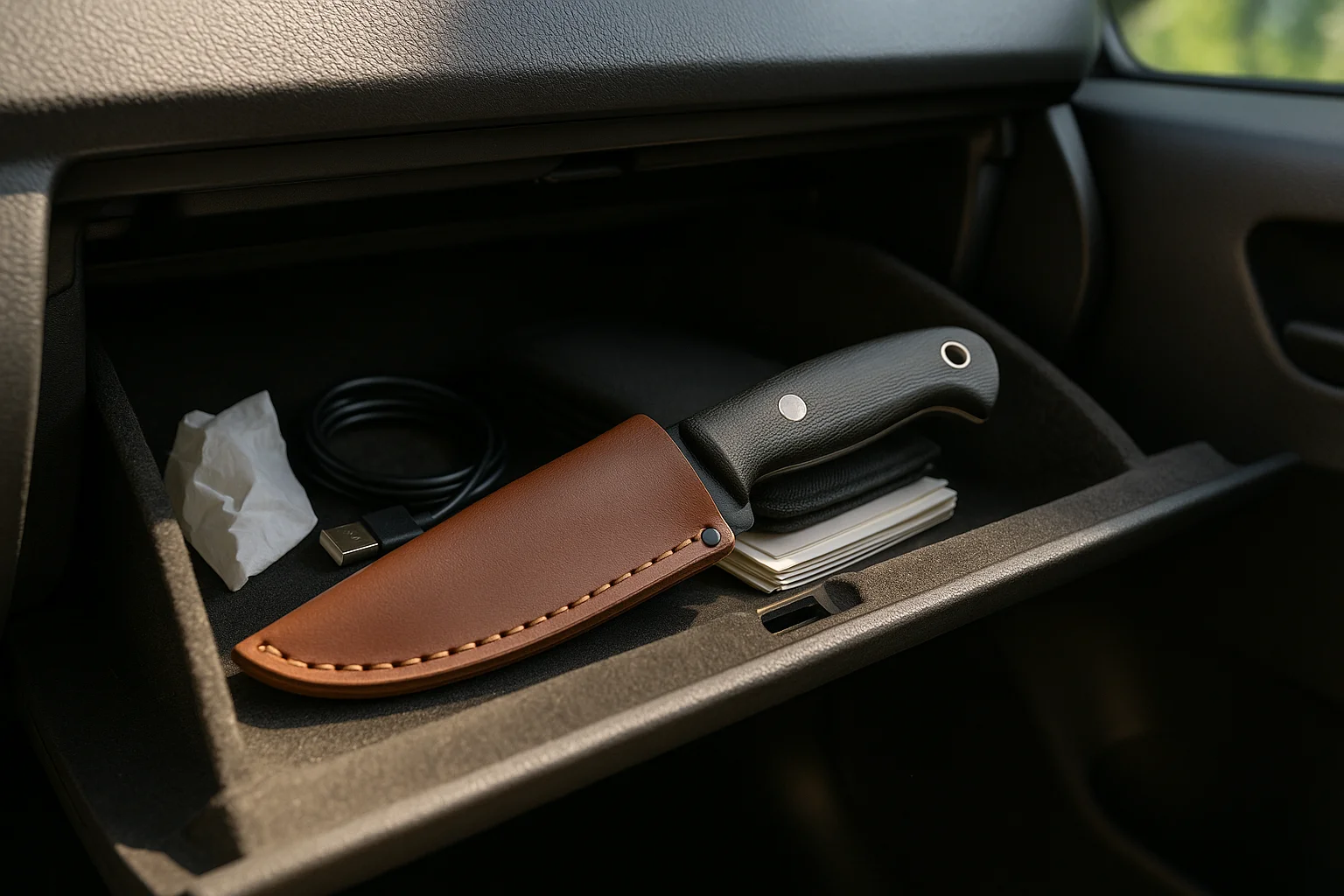
Fixed-blade knives generally aren't covered by the common pocket knife exemption the way folding knives are, and several specifically named weapon types — including certain daggers, dirks, and other specialty blades — face separate restriction under Florida's broader weapons statute regardless of the pocket-knife exemption.
Concealed Carry Considerations
Florida's concealed weapons licensing framework covers a range of weapon types, and how a given knife interacts with that system can depend on its classification (whether it falls under the common pocket knife exemption or is treated as a separate "weapon" category). This is an area where the ambiguity in "common pocket knife" matters most in practice.
Practical Guidance
- A standard, moderately sized folding pocket knife carried for everyday utility purposes is the safest category under the exemption.
- Larger folders and fixed blades warrant more caution, particularly for concealed carry.
- Specifically restricted types (certain daggers, dirks, and named specialty blades) remain restricted regardless of the pocket-knife exemption.
This article is general information, not legal advice. Florida's "common pocket knife" standard involves some genuine interpretive ambiguity — verify current statute and, if in doubt about a specific knife, seek local legal guidance.

Comments (0)
No comments yet. Be the first to share your thoughts!
Leave a comment
Your comment will appear after it's reviewed. Your email is never shown publicly.