Ceramic knives need special diamond abrasives to sharpen — here's what works and what will crack the blade.
Ceramic knives are marketed as needing almost no sharpening, and for a long time that's largely true — the material (usually zirconium oxide) is dramatically harder than steel and holds an edge for years of normal use. But "almost no sharpening" isn't "never," and when a ceramic blade does eventually dull, the tools that work on a steel knife won't touch it.
Why Ceramic Is Different
Ceramic blades sit at roughly 8.5 on the Mohs hardness scale, compared to around 5.5–6.5 for typical knife steel. That hardness is exactly why a steel sharpening rod, which relies on being at least as hard as the blade it's sharpening, does nothing to a ceramic edge — it simply isn't abrasive enough. It's also why ceramic is brittle in a way steel isn't: the same hardness that resists wear also makes it prone to chipping if dropped, twisted while cutting, or used on bone or frozen food.
What Actually Sharpens Ceramic
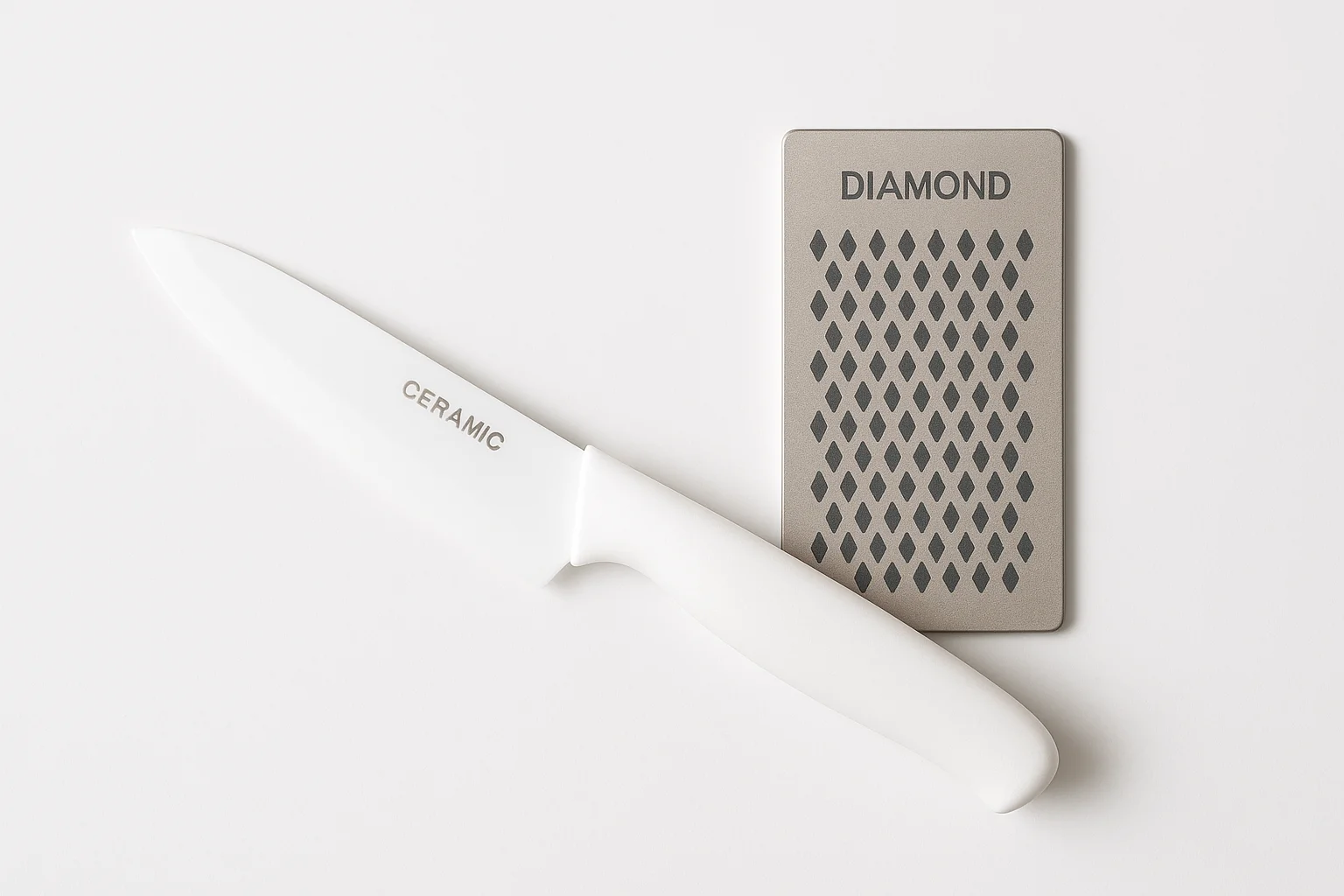
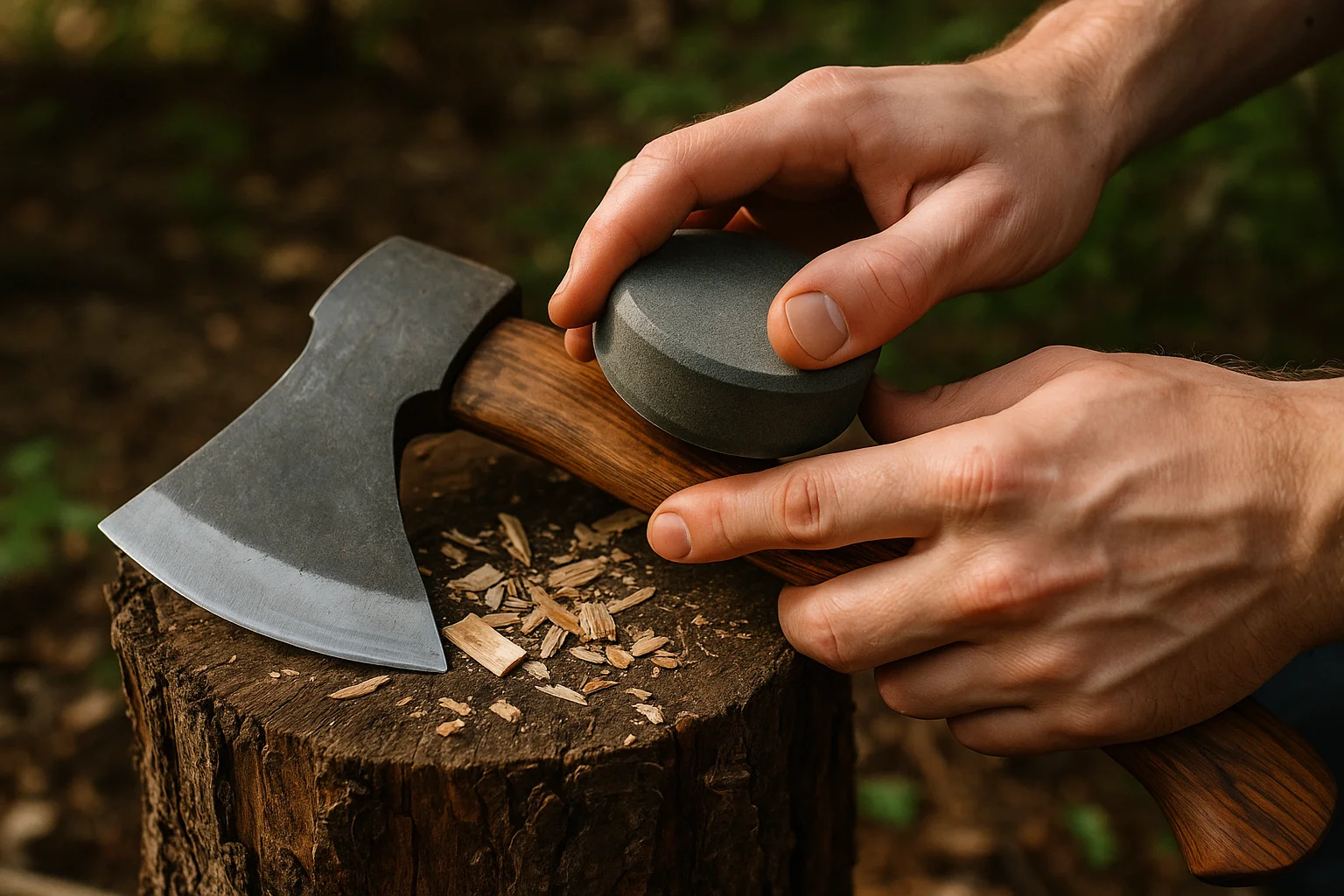
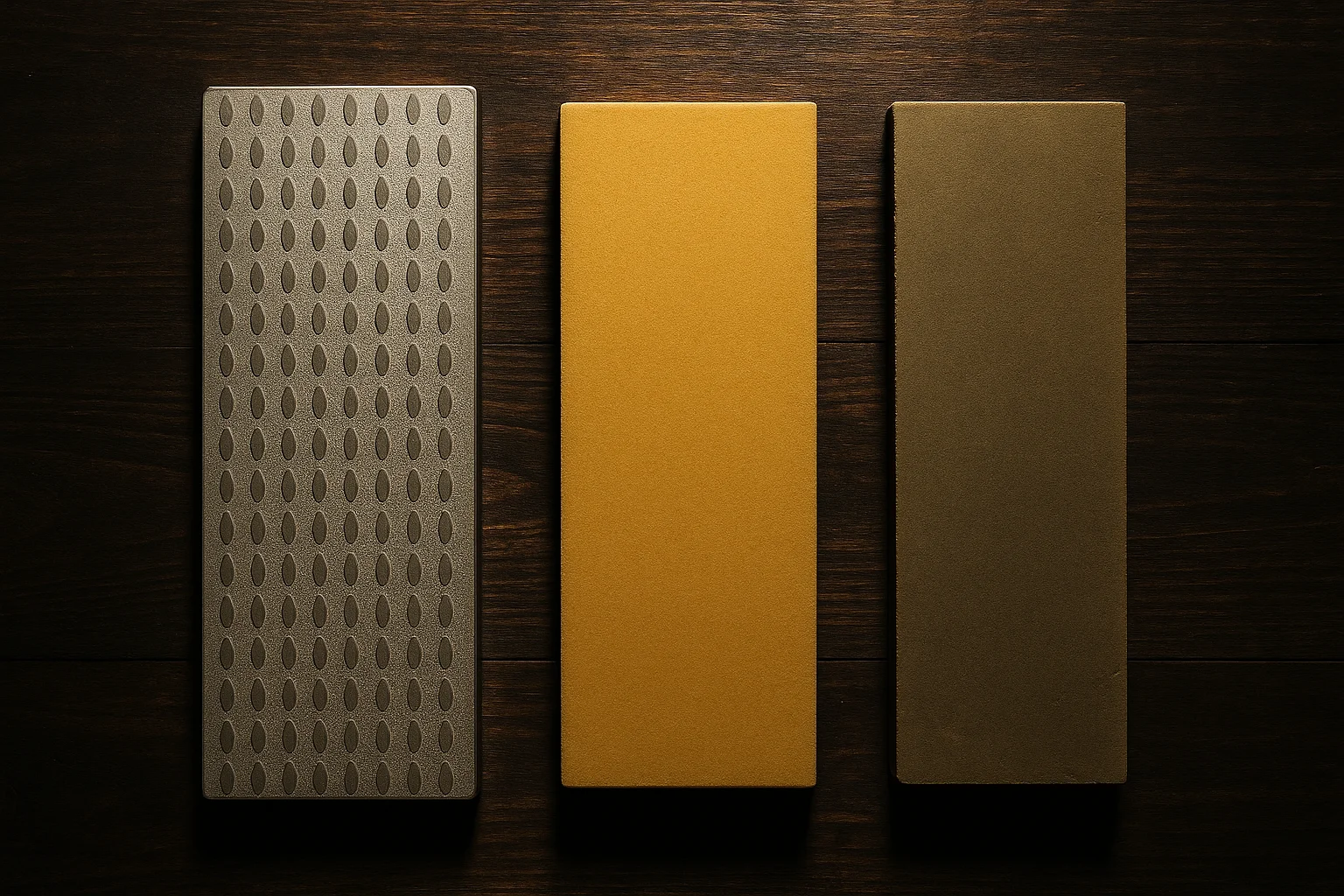
Only diamond abrasives are hard enough to grind ceramic. This comes in a few forms:
- Diamond sharpening plates or stones — flat, diamond-coated surfaces used with the same technique as a whetstone, at a very consistent, usually shallow angle.
- Diamond rods — for touch-ups, similar in use to a steel honing rod but coated in genuine diamond grit.
- Purpose-built ceramic knife sharpeners — pull-through tools with diamond-coated slots, designed specifically for this material.
Sharpening Technique
Hold the blade at a shallow, consistent angle — typically around 15–20 degrees per side, similar to a fine Japanese steel edge — and draw it across the diamond surface with light, even pressure. Ceramic doesn't form a burr the way steel does, so there's less of a clear signal for when you're done; work in short sets and test the edge periodically rather than pushing through a long single session.
Why Most Owners Skip DIY Sharpening
Diamond sharpening equipment is a real cost for a tool you might use once every year or two, and the margin for error on a brittle blade is smaller than on steel — too much pressure or an inconsistent angle risks chipping rather than just producing an uneven edge. Many ceramic knife owners find it more practical to send the blade to a specialist sharpening service equipped with the right diamond wheels, especially since the infrequent need means the cost evens out over the knife's life.
Caring for a Ceramic Blade Between Sharpenings
- Never use it on bone, frozen food, or as a pry tool — this is the most common cause of chips.
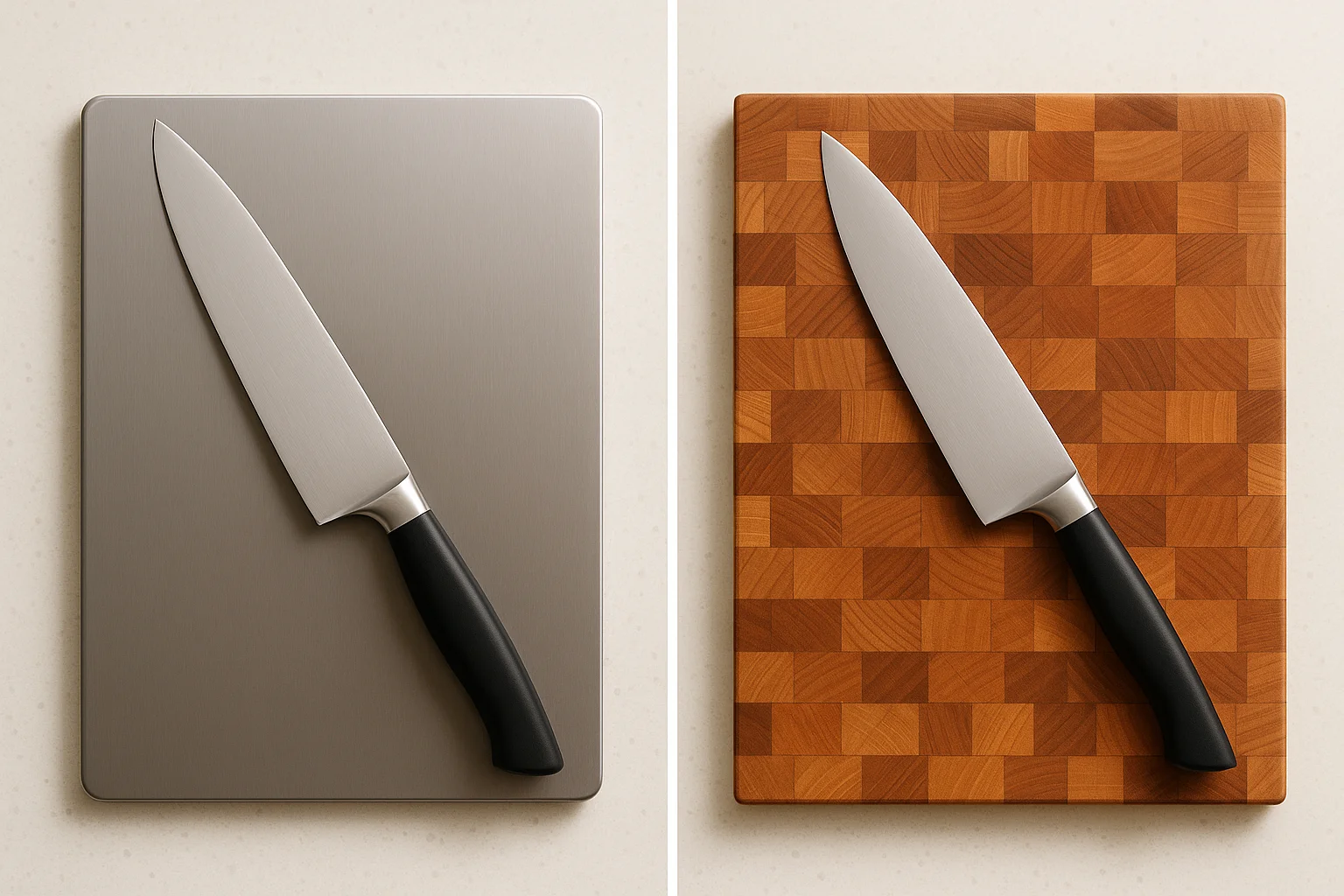
- Cut on wood or soft plastic boards, never glass, stone, or ceramic surfaces.
- Hand wash rather than using a dishwasher, where it can knock against other items.
- Store it in a blade guard or slot rather than loose in a drawer.
Signs a Ceramic Knife Needs Sharpening
Because ceramic holds an edge so long, dullness often shows up gradually as increased resistance on foods it used to glide through — tomato skins, for example, becoming noticeably harder to pierce cleanly. Small visible chips along the edge are a separate issue and usually mean professional attention is the better route rather than home sharpening.


Comments (0)
No comments yet. Be the first to share your thoughts!
Leave a comment
Your comment will appear after it's reviewed. Your email is never shown publicly.