A hard cutting surface can wreck an edge fast — here's what titanium and other cutting boards actually do to your knife.
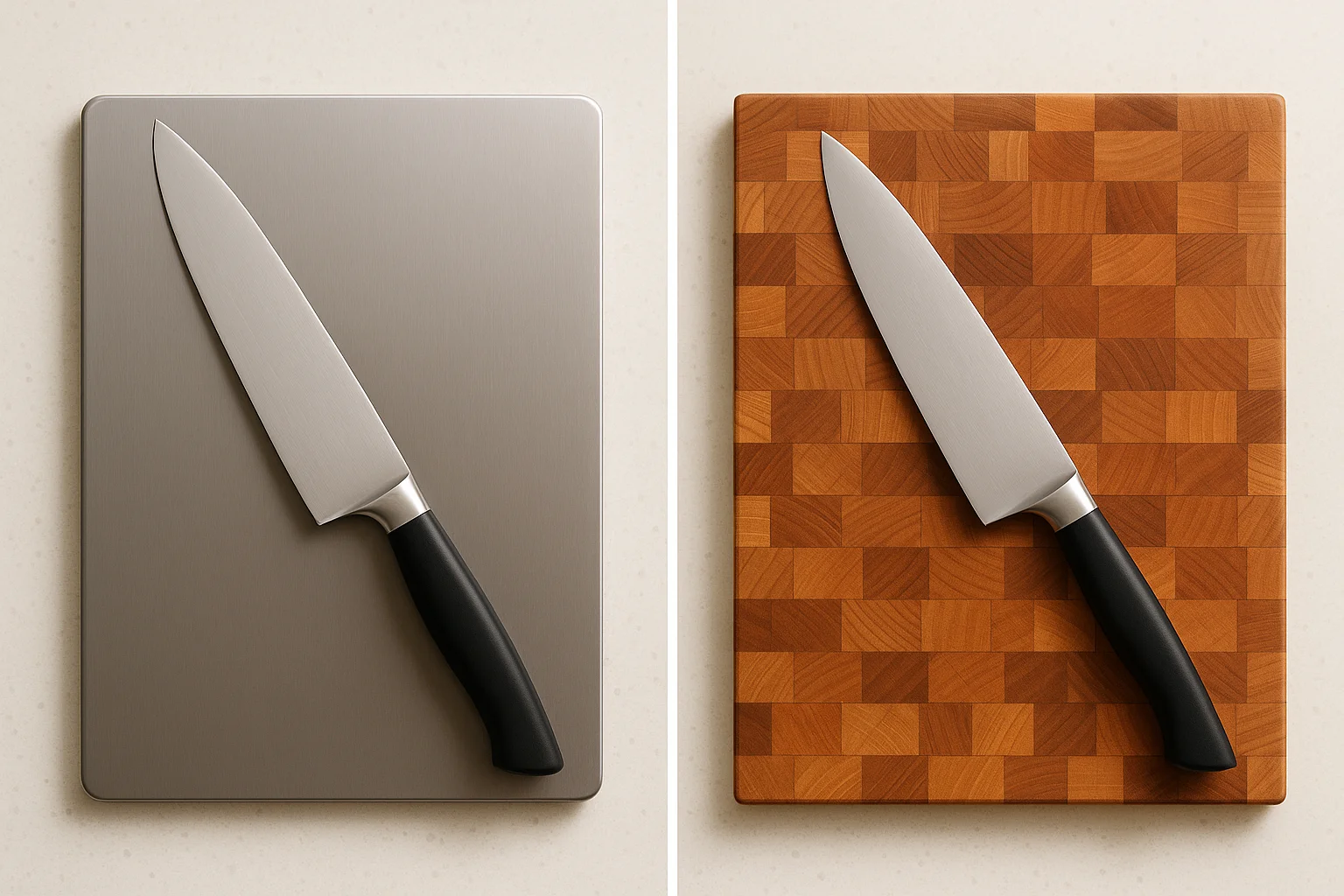
A cutting board looks like the passive half of the knife-and-board relationship, but its hardness has as much to do with how fast an edge dulls as the cutting technique does. Titanium cutting boards, marketed heavily for durability and hygiene, are one of the worst surfaces you can choose if keeping a sharp edge matters to you.
Why Cutting Surface Hardness Matters
Every time a blade meets a cutting board, the edge — a microscopically thin wedge of steel — presses against the surface underneath the food. If that surface is softer than the steel, it gives slightly and absorbs some of the impact. If it's harder than the steel, the edge takes the full impact instead, rolling, micro-chipping, and dulling with every single cut.
Where Titanium Ranks
Titanium sits far harder than any knife steel on a comparative hardness scale, similar to glass and stone cutting surfaces. Every cut on a titanium board is effectively grinding the edge against a surface harder than the blade itself — the opposite of what a cutting board should do.
Cutting Surfaces Ranked by Knife-Friendliness
- End-grain wood: the gold standard — the wood fibers run vertically, letting the blade slip slightly between them rather than striking a flat hard surface, which is genuinely gentle on an edge.
- Edge-grain wood: still knife-friendly, slightly less forgiving than end-grain but far better than any hard synthetic surface.
- Soft plastic/poly: a common, dishwasher-safe compromise — softer than wood-averse but knife-friendly enough for daily use.
- Bamboo: harder than most wood due to how it's manufactured, and noticeably tougher on an edge than true wood boards.
- Titanium, glass, stone, ceramic: all harder than knife steel and genuinely damaging to an edge with regular use — best avoided if you care about keeping a sharp knife.
Why Titanium Boards Are Still Marketed This Way
Titanium boards are promoted mainly on durability (they won't scratch, warp, or absorb bacteria the way wood or plastic can over time) and on aesthetics, not on being knife-friendly. That's a legitimate trade-off if durability and hygiene are the priority — just know it comes at a real cost to your edges.
If You Already Own One
A titanium (or glass or stone) board doesn't need to be discarded, but it's worth reserving for tasks where edge retention doesn't matter much — cutting bread, portioning something you're not worried about a pristine edge for — and switching to a wood or soft plastic board for everyday prep with your good knives.
The Bottom Line
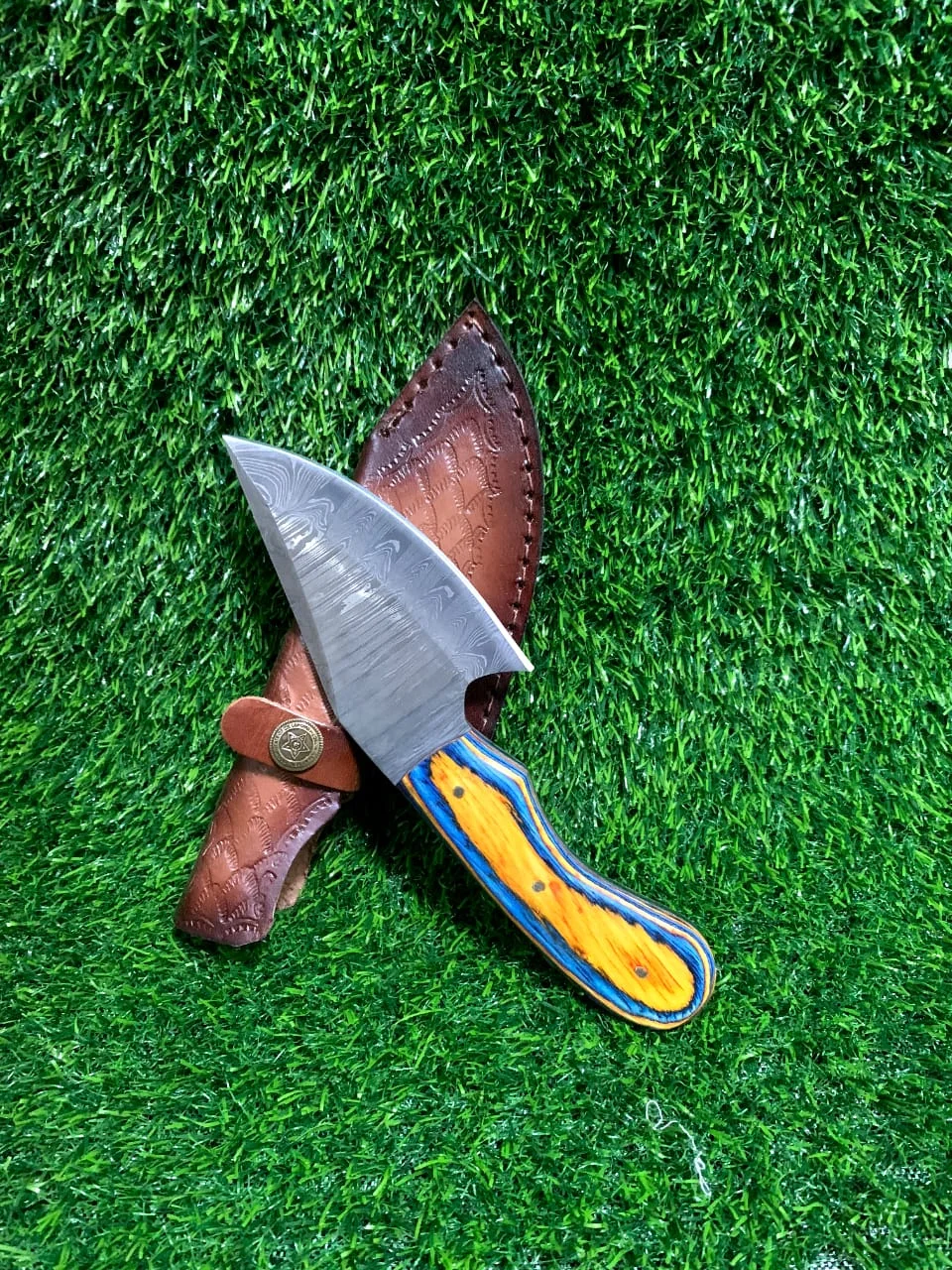
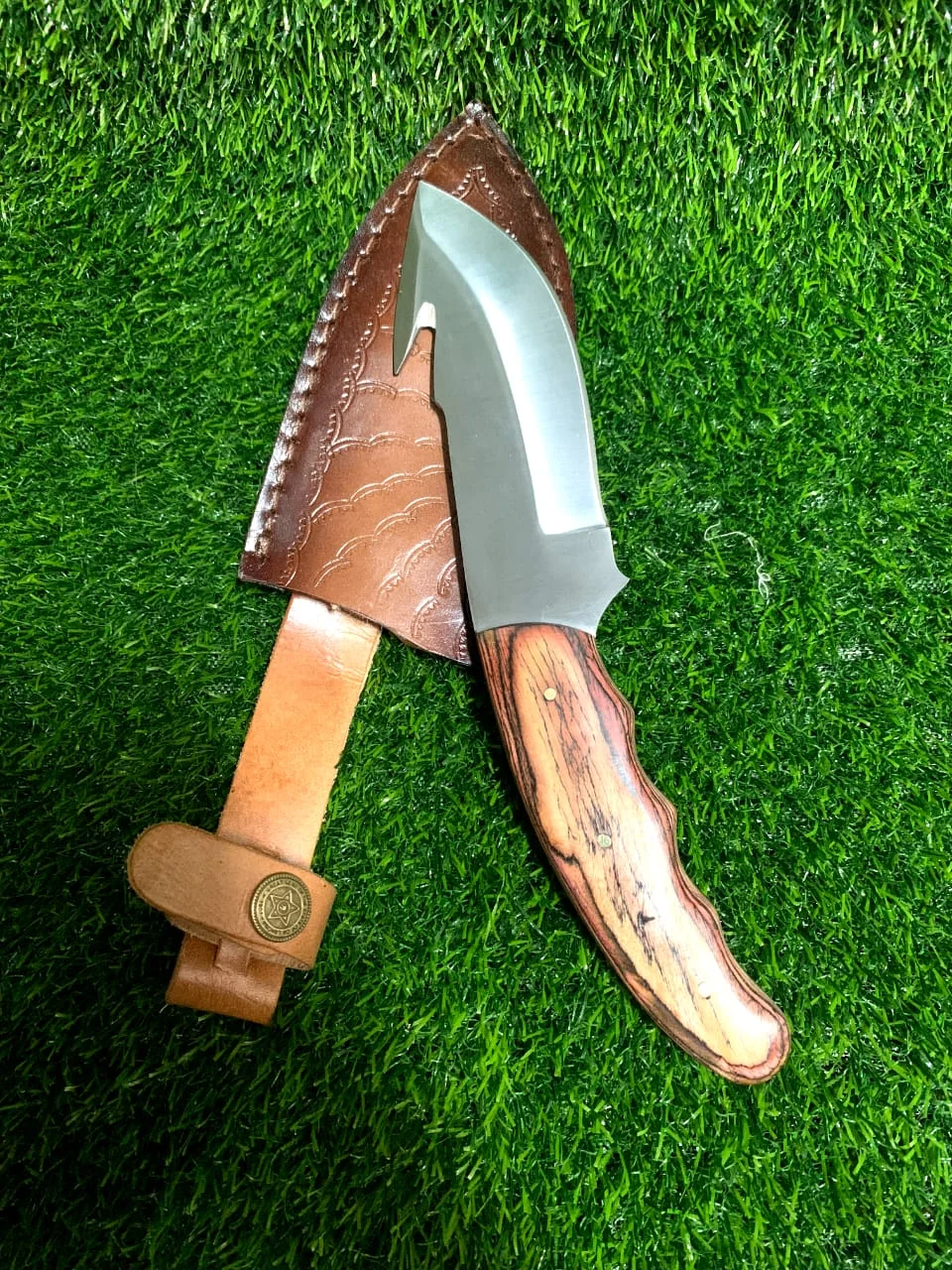
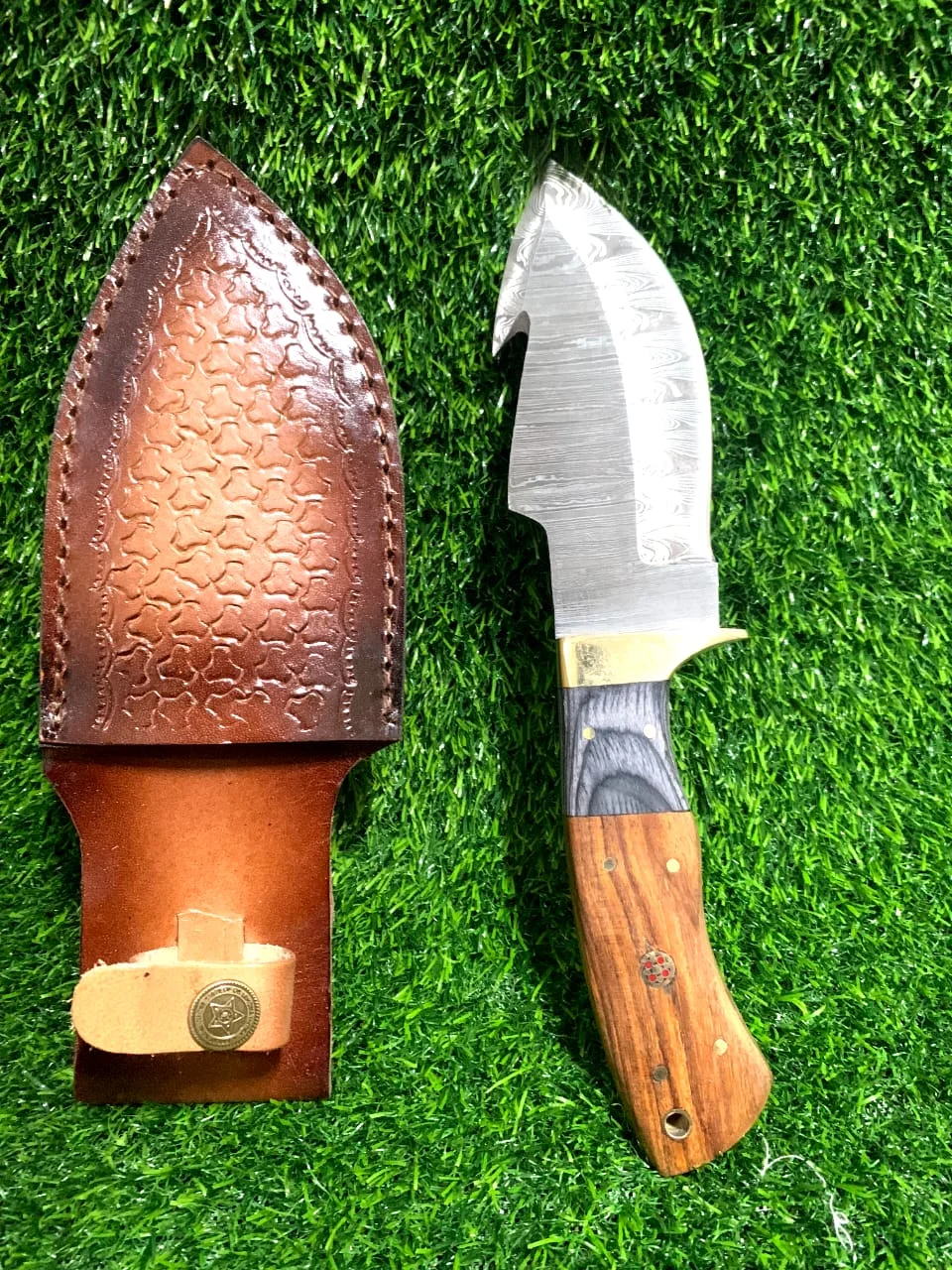
If keeping a Damascus or high-carbon edge sharp for as long as possible matters to you, an end-grain wood board is worth the investment far more than most people realize — the choice of cutting surface affects edge life as much as sharpening technique does.


Comments (0)
No comments yet. Be the first to share your thoughts!
Leave a comment
Your comment will appear after it's reviewed. Your email is never shown publicly.