From 400 to 8000 grit — here's which whetstone grit to reach for depending on your knife's condition.
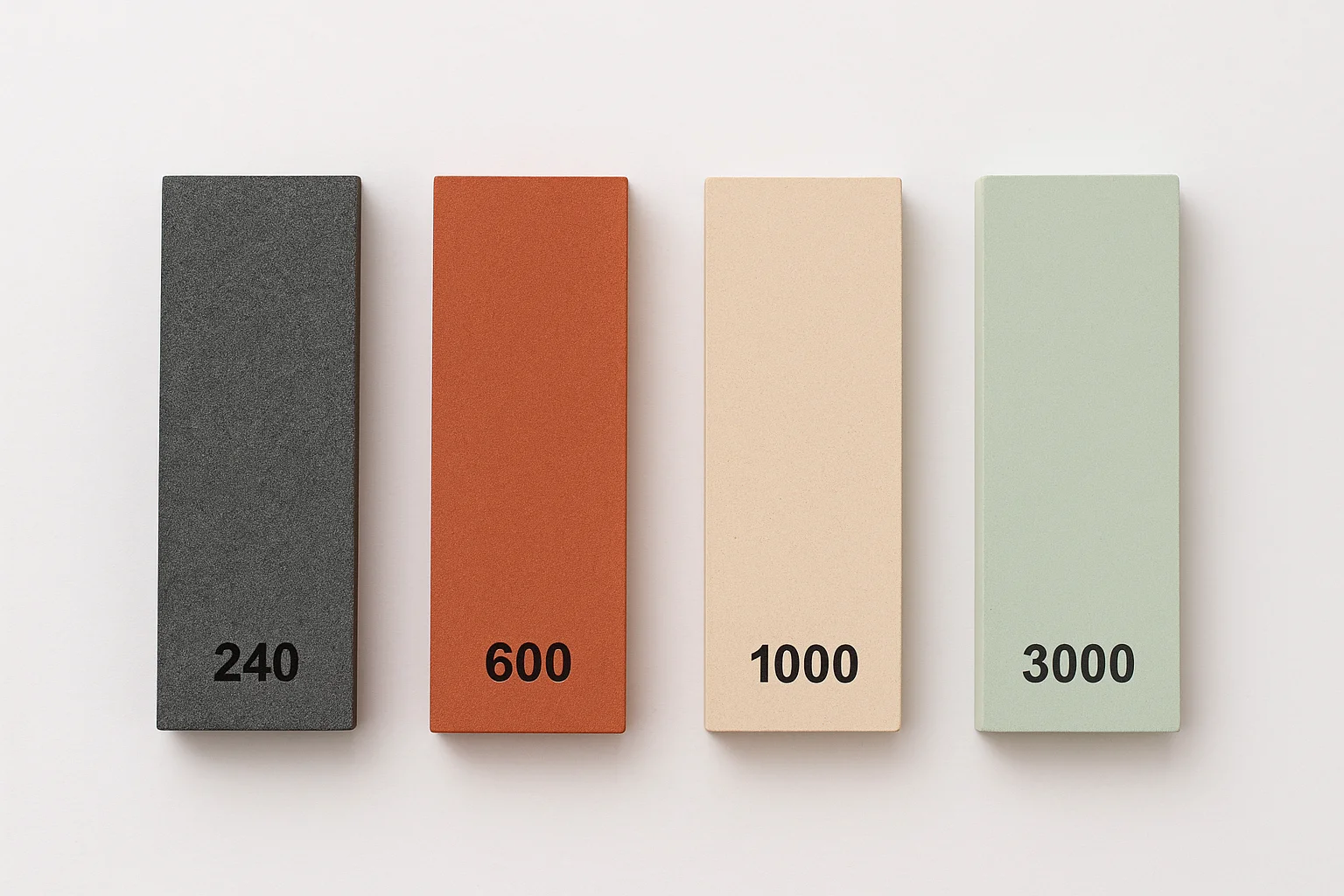
Grit numbers on a whetstone can look arbitrary if you've never shopped for one before — 400, 1000, 3000, 8000 — but each range has a specific job, and using the wrong one wastes time at best and damages an edge at worst. Here's what each range is actually for.
220–400 Grit: Repair
This coarse range is for genuinely damaged edges — chips, rolls, or a blade that hasn't been properly sharpened in years. It removes metal fast, reshaping the bevel from scratch, but leaves a rough, toothy edge on its own. Most knives never need this stage; reach for it only when finer grits aren't bringing the edge back.
1000 Grit: Everyday Maintenance
The standard, go-to grit for routine sharpening. If a knife is moderately dull but not damaged, 1000 grit alone can often restore a fully usable edge, and it's the typical starting point when a full coarse-to-fine progression isn't necessary.
3000–4000 Grit: Refining
This range smooths out the scratches left by a 1000-grit stone and begins to noticeably sharpen the edge beyond a basic working level. A good middle step for anyone who wants a meaningfully sharper result without going all the way to a mirror polish.
6000–8000 Grit: Polishing
This is where an edge starts to feel closer to a straight razor than a kitchen knife — very fine, with minimal visible scratch pattern. Useful for Japanese-style knives and anyone who wants the sharpest possible edge, though it's not strictly necessary for everyday cutting tasks.
10000+ Grit: Mirror Finishing
Mostly used by enthusiasts and professional sharpeners chasing a mirror-polished bevel and the finest possible edge, often finished with a strop afterward. This level of polish has diminishing practical returns for a knife that's going to see a cutting board and a dishwasher the next morning.
A Simple Grit-Selection Chart
- Chipped or badly rolled edge: start at 220–400, then work up.
- Regular kitchen knife, moderately dull: start at 1000.
- Want a noticeably sharper edge than routine maintenance gives: 1000, then 3000–4000.
- Want the sharpest possible edge (Japanese-style, enthusiast level): 1000, then 3000–4000, then 6000–8000, finished with a strop.
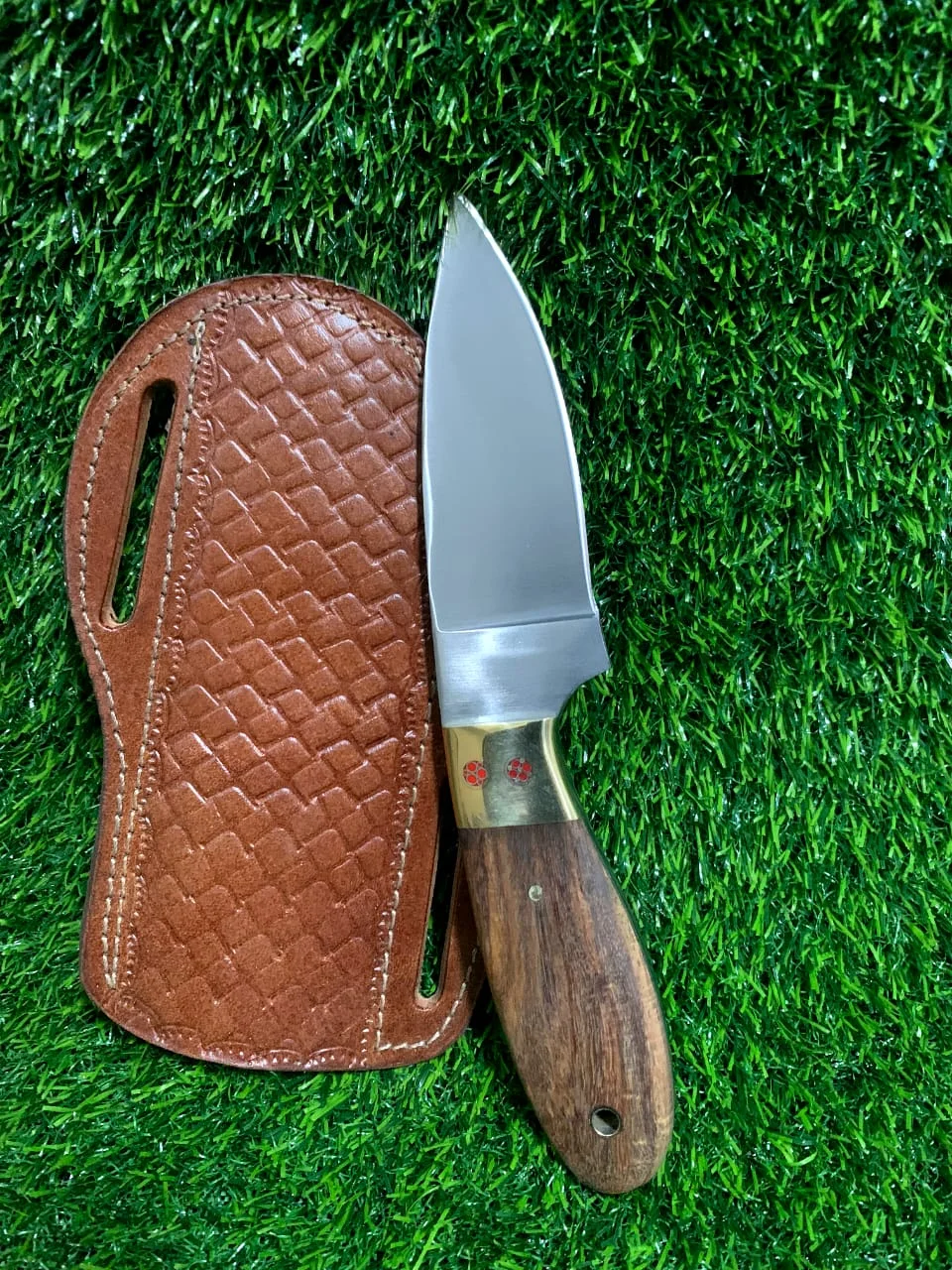
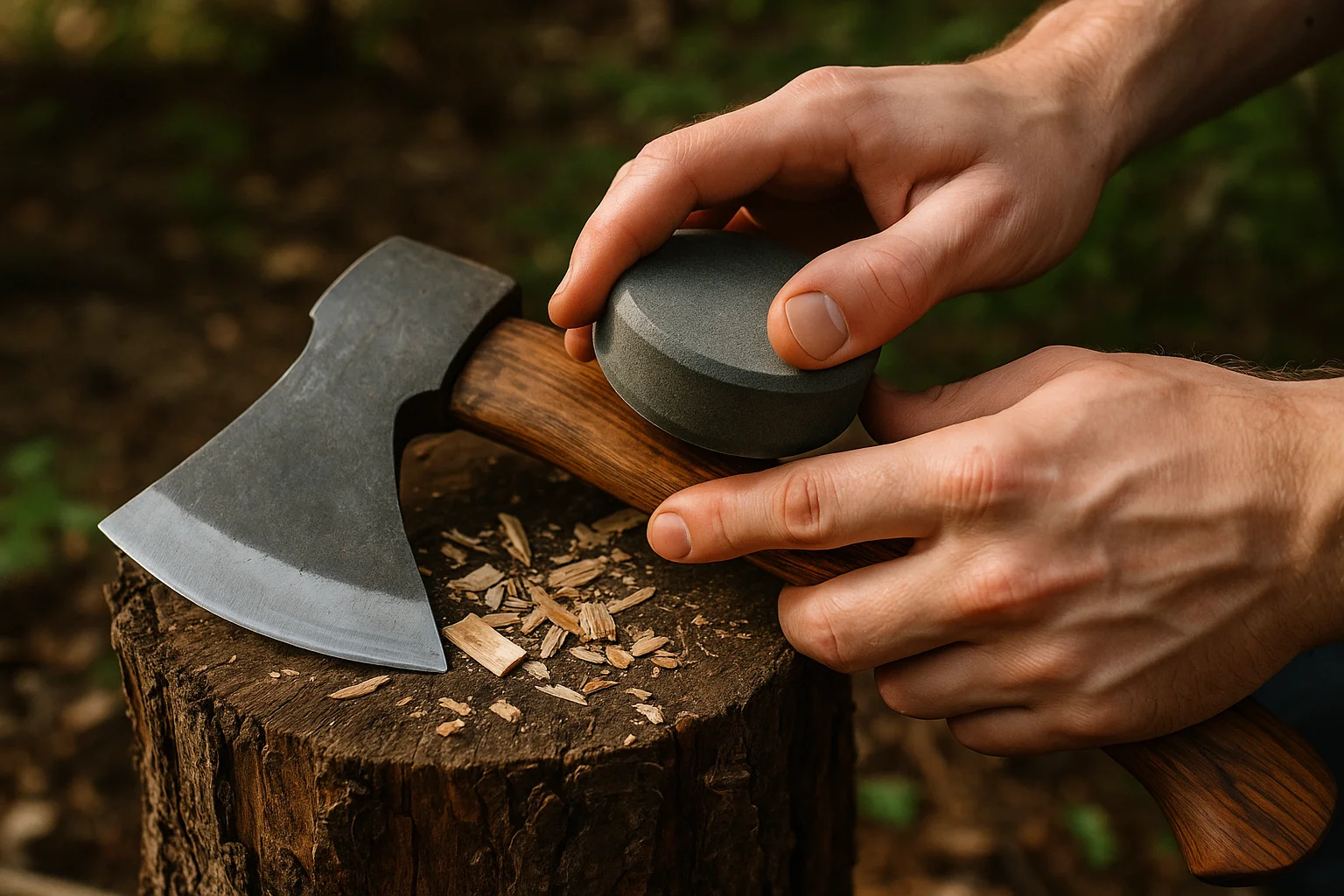
- Pocket or outdoor knife, tougher use expected: 1000, then a light 3000 pass — a mirror polish isn't necessary and won't last through hard use anyway.
Do You Need Every Grit?
No. A single good combination stone with two grits — commonly 1000/6000 — covers the vast majority of home sharpening needs. Buying every intermediate grit only makes sense once you've developed enough technique to notice and want the difference each additional stage makes.
Matching Grit to Knife Type
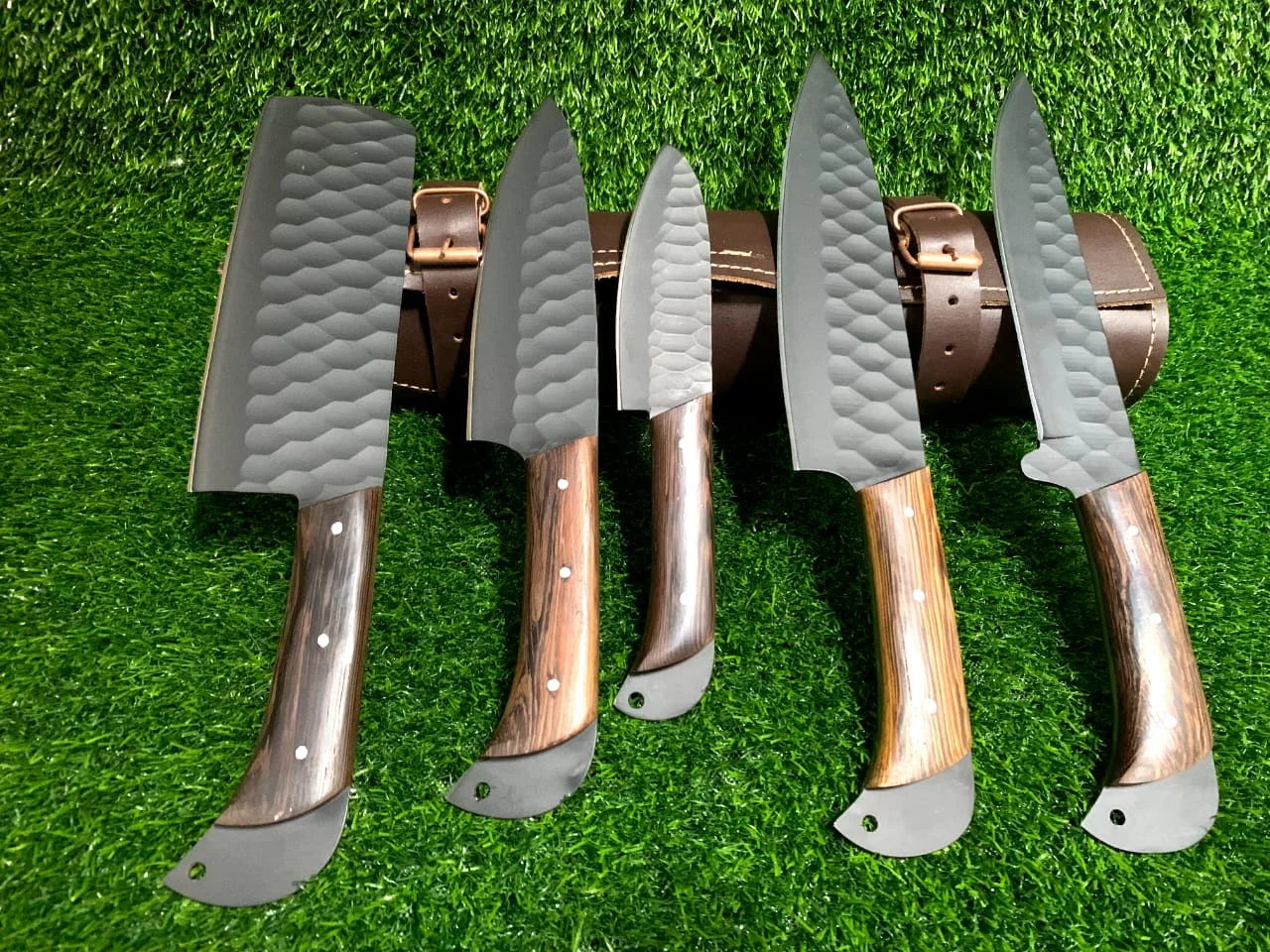
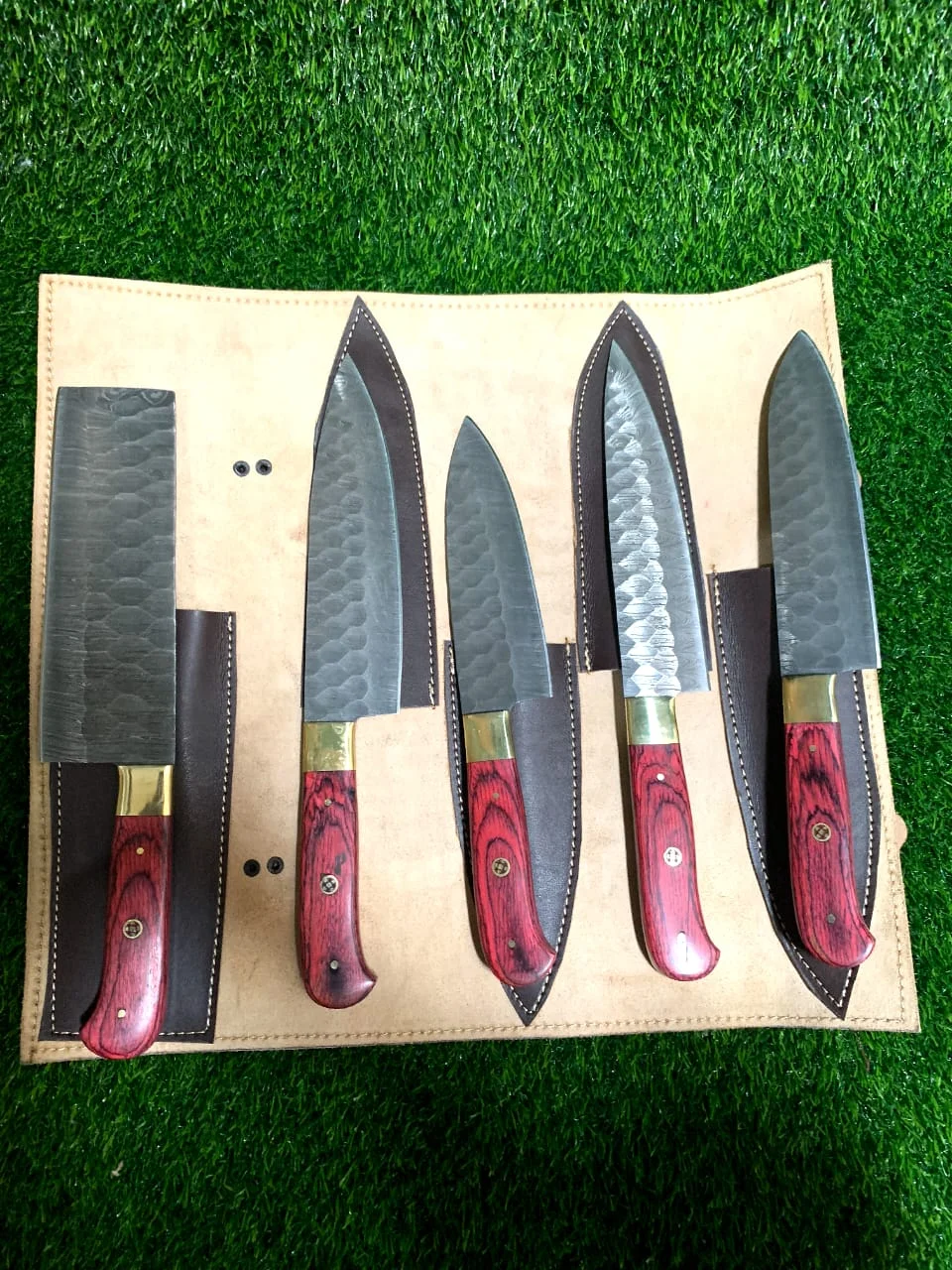
Thinner, more precise Japanese-style blades benefit the most from going all the way to a fine finishing grit, since their thinner geometry actually holds that extra sharpness. Thicker, tougher-use blades like hunting or outdoor knives see less practical benefit past 3000–4000 grit, since the edge will dull back down to a working level quickly under harder use regardless.


Comments (0)
No comments yet. Be the first to share your thoughts!
Leave a comment
Your comment will appear after it's reviewed. Your email is never shown publicly.