

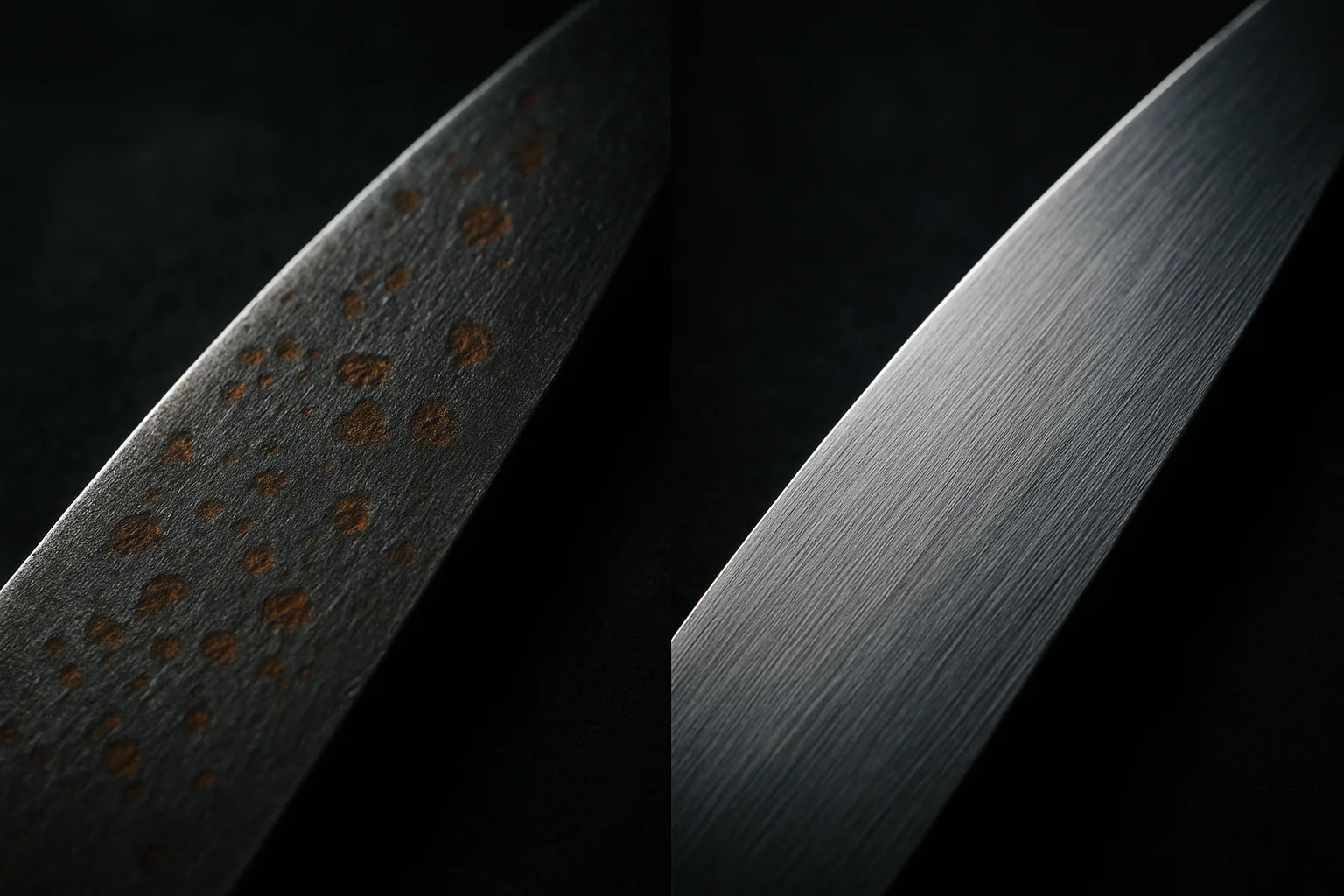
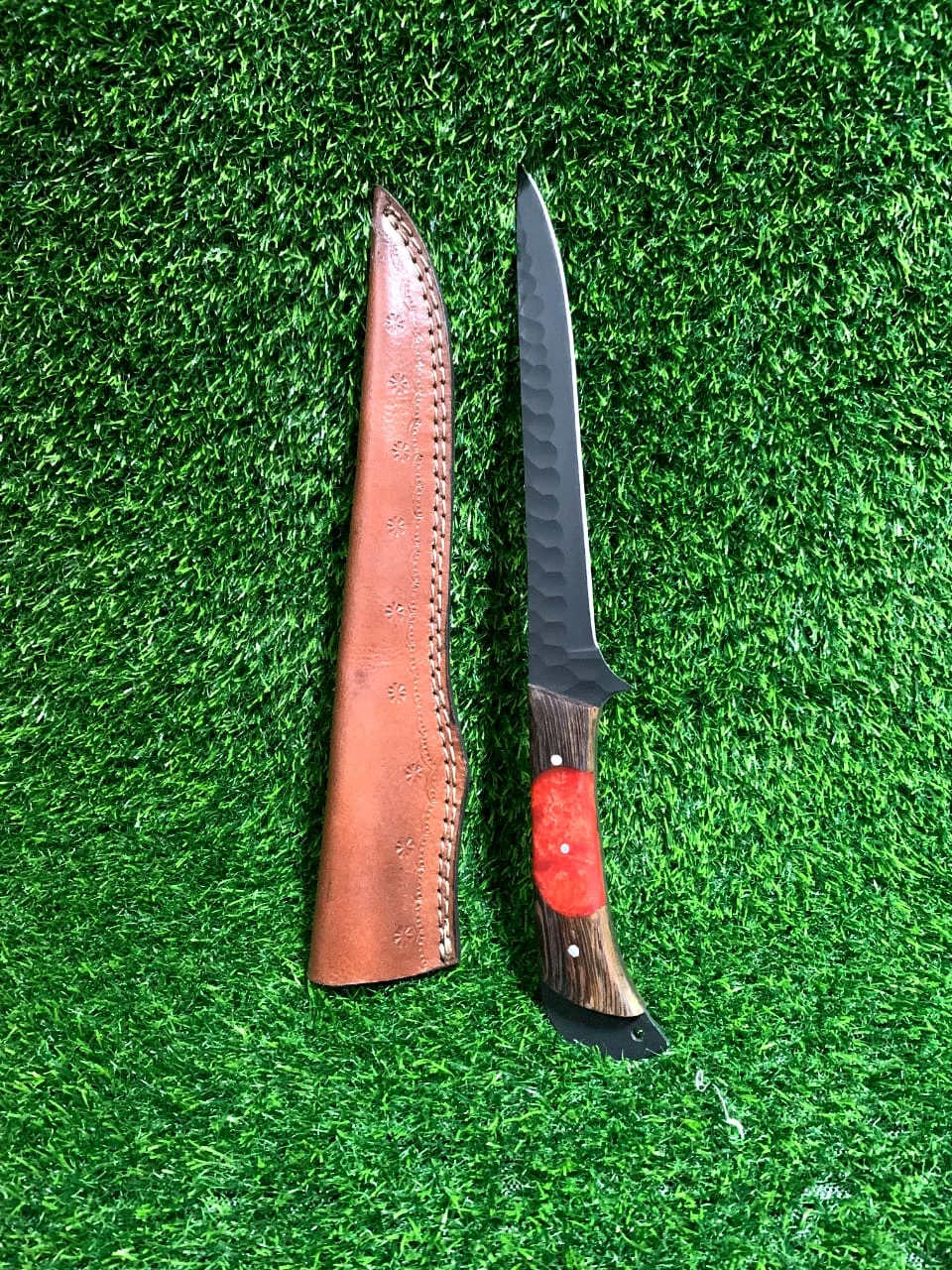
High-carbon steel and hand-forged Damascus blades reward you with a keener edge and better edge retention than most stainless steels — but they also rust faster if they're left wet, stored in a damp sheath, or handled with acidic foods and not wiped down afterward. Rust on a blade looks alarming the first time you see it, but in most cases it's easy to remove safely without damaging the edge or the pattern underneath.
Why Carbon Steel and Damascus Rust Faster
Stainless steel contains enough chromium to form a passive, self-healing oxide layer that resists corrosion. High-carbon steel and most Damascus blends trade some of that corrosion resistance for a harder, more edge-retentive steel — which is exactly why they're prized for a keen edge, but also why they need a bit more day-to-day care.
Removing Light Surface Rust
- Baking soda paste: mix baking soda with a small amount of water into a thick paste, apply it to the rust spots, and gently rub with a soft cloth or a cork in small circles. Rinse and dry thoroughly.
- Vinegar soak: for light, widespread surface rust, soak the blade in white vinegar for 5–10 minutes, then scrub gently with a soft cloth. Don't soak longer than necessary — vinegar is acidic and will etch the steel with extended exposure.
- Fine steel wool or a rust eraser: for stubborn spots, very fine (0000-grade) steel wool or a rubber rust eraser block, rubbed gently in the direction of the grain, lifts rust without heavily scratching the finish.
Removing Heavier Rust
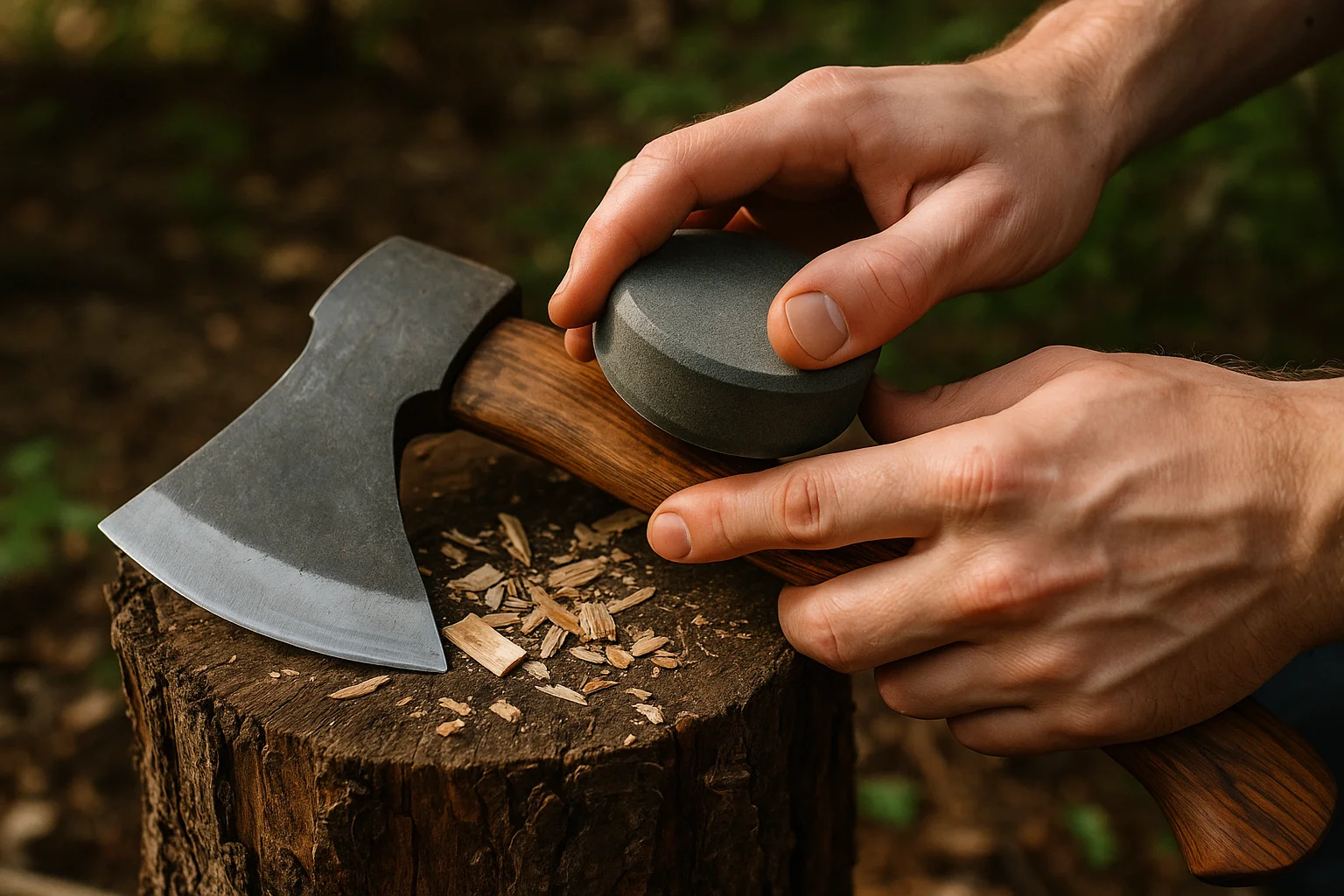
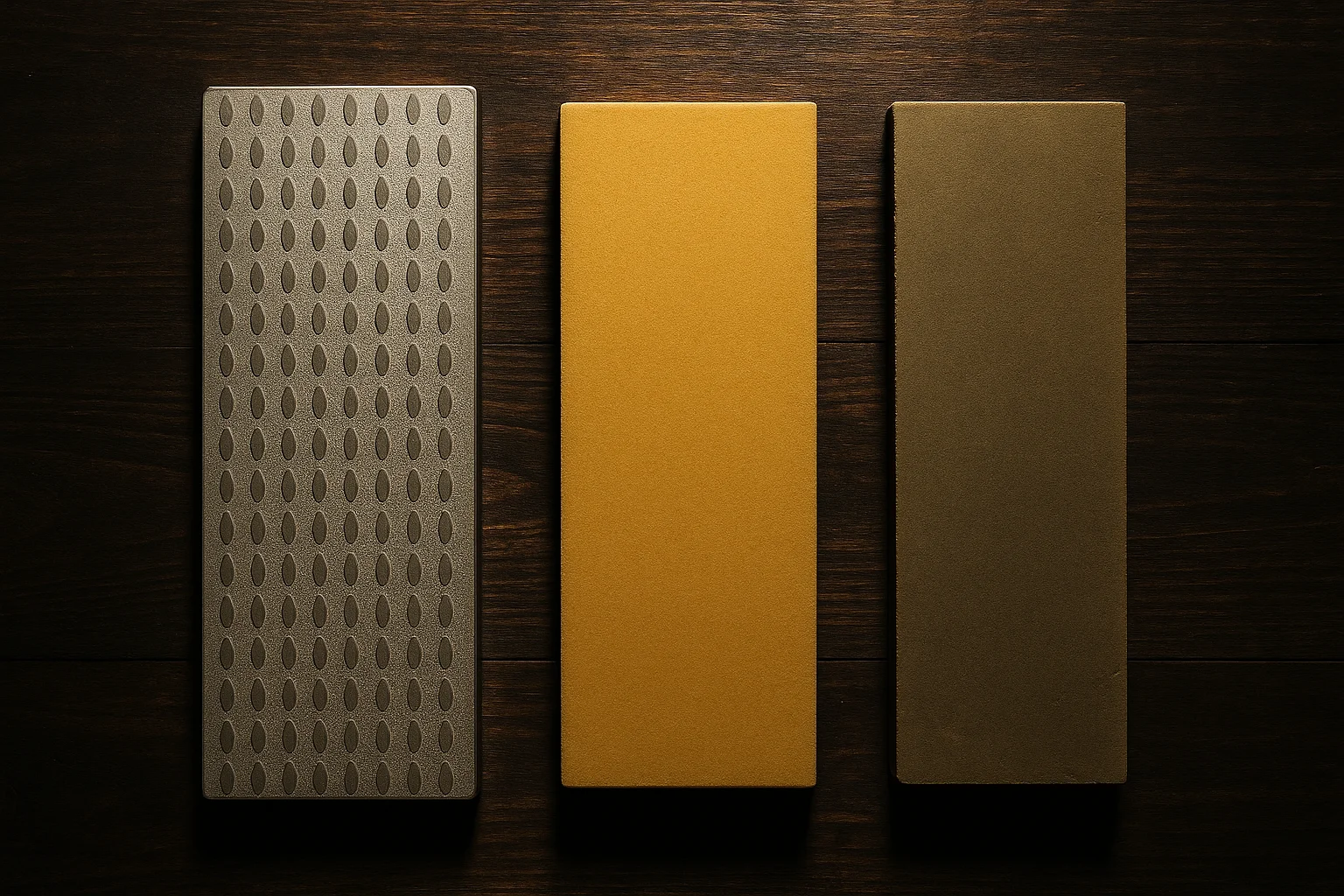
For rust that's built up over time or covers a larger area, a fine abrasive — 1000+ grit wet sandpaper or a fine sharpening stone worked flat against the rusted area — will remove it, but this is more aggressive and will affect the blade's finish. On a Damascus blade specifically, work gently and evenly to avoid grinding one layer of the pattern down faster than another, which can dull the visual contrast of the etch.
Comments (0)
No comments yet. Be the first to share your thoughts!
Leave a comment
Your comment will appear after it's reviewed. Your email is never shown publicly.