

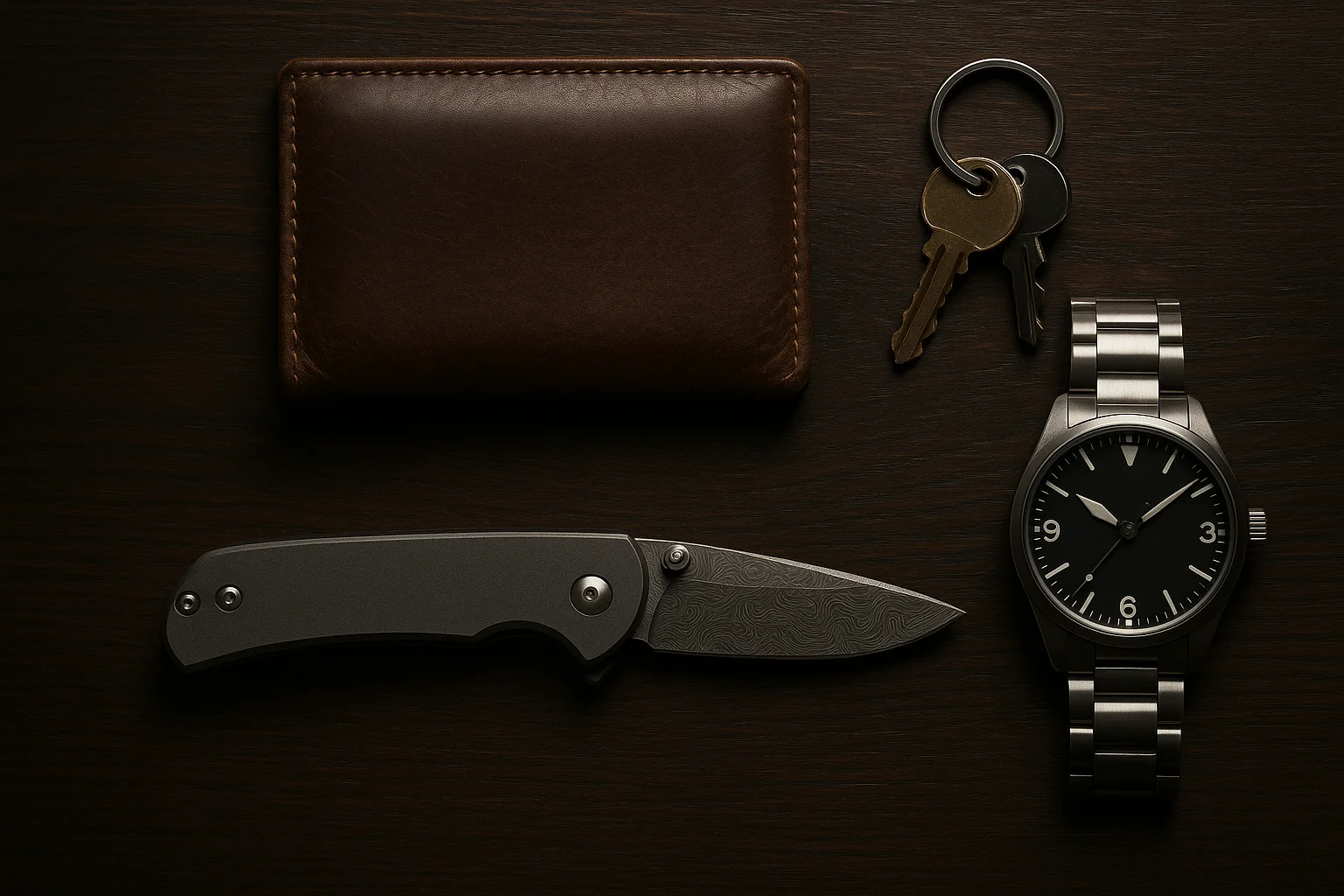
EDC stands for "everyday carry," and while the term applies to a whole category of gear — wallets, flashlights, multitools — a knife is often the centerpiece of any EDC setup, precisely because it's genuinely useful for so many small, unplanned tasks that come up during a normal day.
What Makes a Knife an "EDC Knife"
There's no single required design — an EDC knife is simply whatever folding or fixed blade someone carries daily for routine tasks, rather than a knife built or reserved for one specialized job like hunting or kitchen prep. What defines the category is the use case (everyday, general-purpose tasks) more than any specific blade shape or mechanism.
Common Everyday Tasks an EDC Knife Handles
- Opening packages and mail.
- Cutting zip ties, tape, and packaging materials.
- Food prep on the go — slicing fruit, opening packaging.
- Cutting cord, rope, or string.
- General light utility tasks around the house or workplace.
- Emergency situations — cutting a seatbelt, freeing tangled material.
What to Look for in an EDC Knife
- Blade length: 3–3.5 inches covers most everyday tasks without printing heavily in a pocket or running into carry restrictions in more places than a longer blade might.
- Lock type: a secure liner lock or frame lock keeps the blade safely open during use; a manual (non-automatic) opening mechanism keeps the knife broadly legal across most jurisdictions.
- Size and weight: a knife you'll actually carry every day needs to be comfortable in a pocket, not just capable on paper — an excellent knife left in a drawer isn't doing its job.
- Steel and edge retention: since an EDC knife sees varied, sometimes abrasive tasks, a slightly steeper edge angle (around 20 degrees per side) holds up better than a finer kitchen-knife edge would.
- Clip or carry method: a pocket clip, sheath, or other secure carry method matters as much as the knife itself for daily practicality.
Folding vs. Fixed-Blade EDC Knives
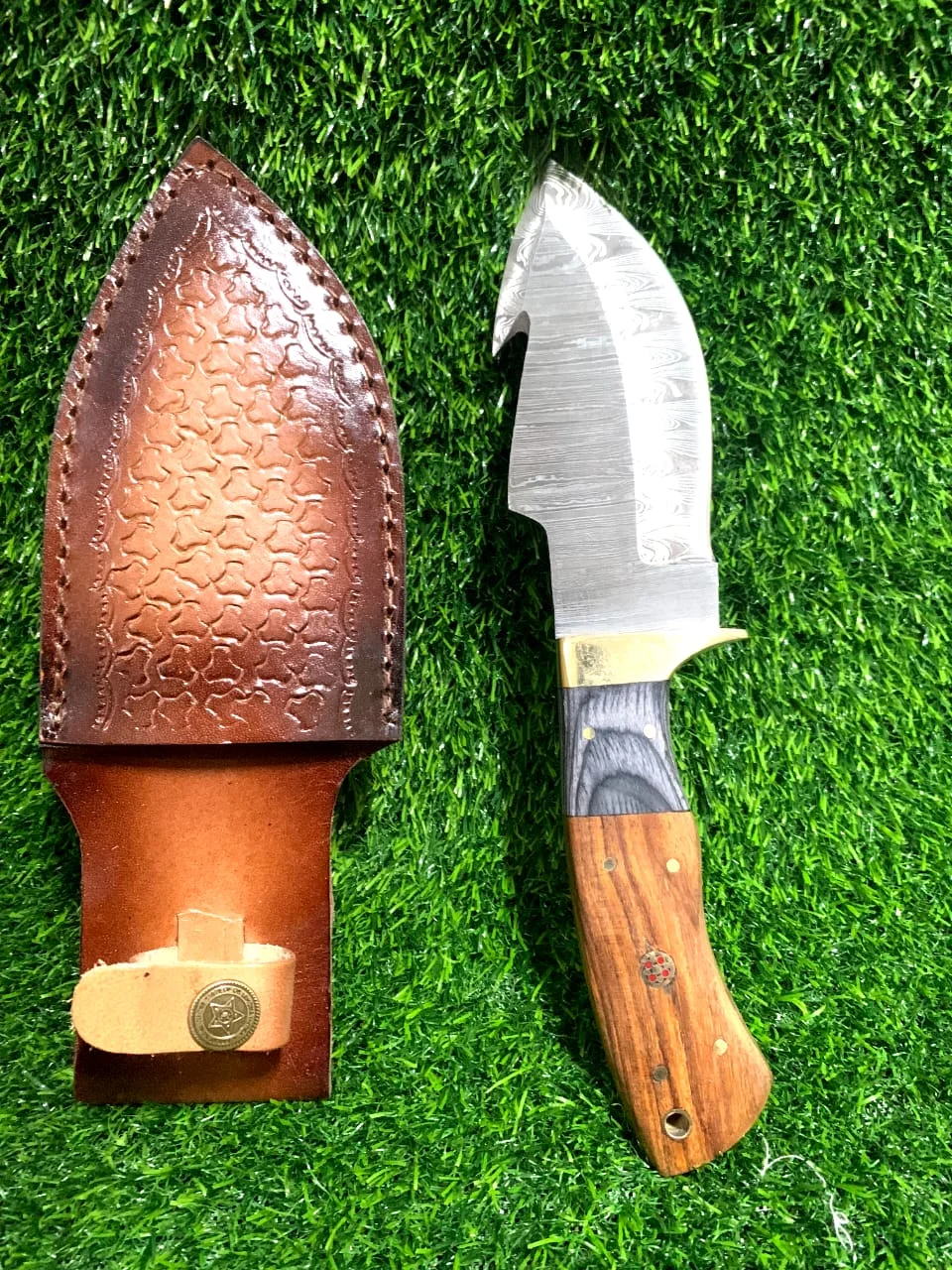
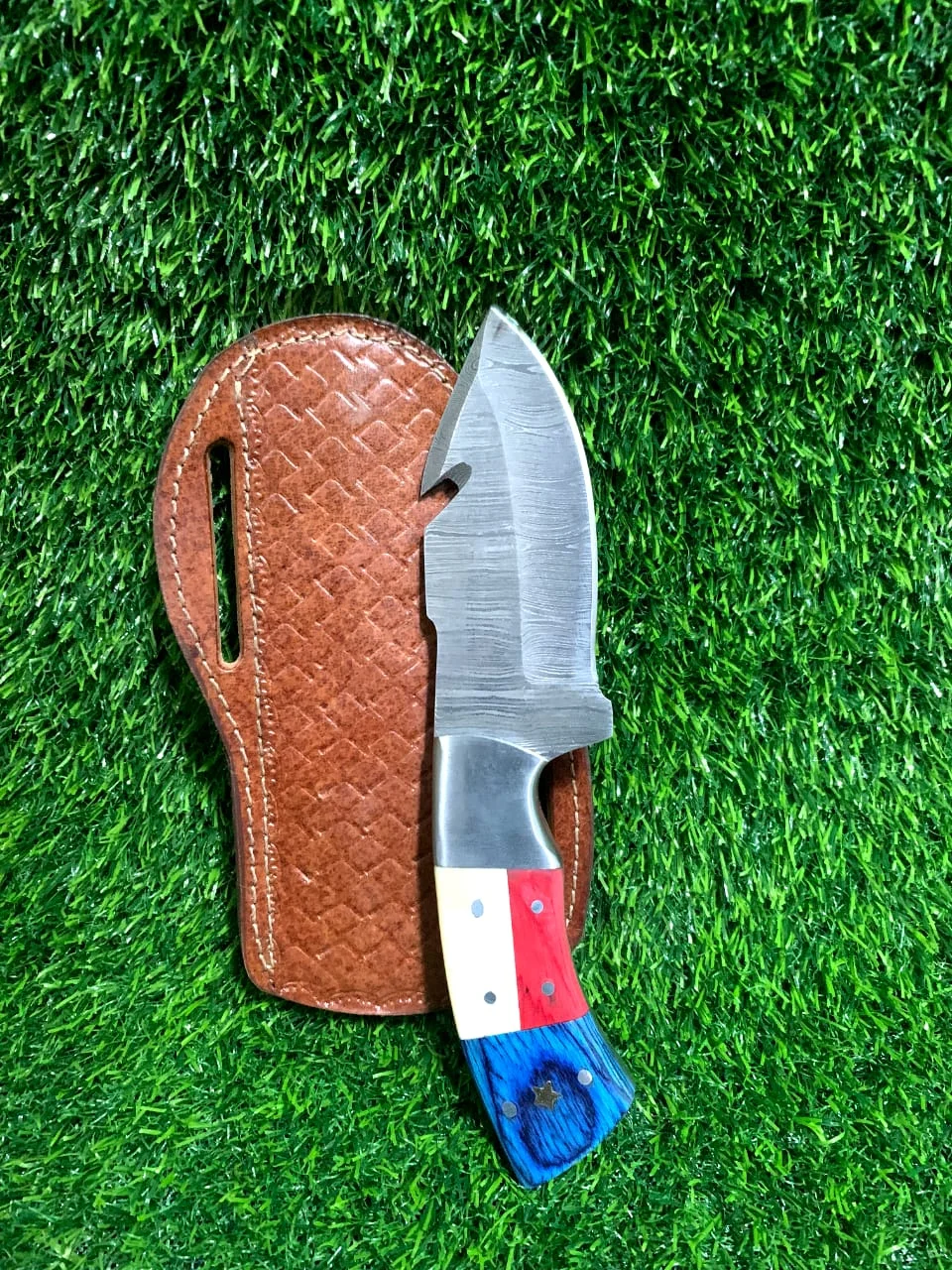
Folding knives dominate the EDC category for practical reasons — they're more compact, easier to carry comfortably, and don't require a separate sheath. Fixed-blade EDC knives exist and offer more structural strength, but tend to be reserved for people with a specific reason to prioritize that strength over the convenience of a folder.
Comments (0)
No comments yet. Be the first to share your thoughts!
Leave a comment
Your comment will appear after it's reviewed. Your email is never shown publicly.