The tanto's angular tip traces back to Japanese swordsmithing — here's what makes this blade shape unique.
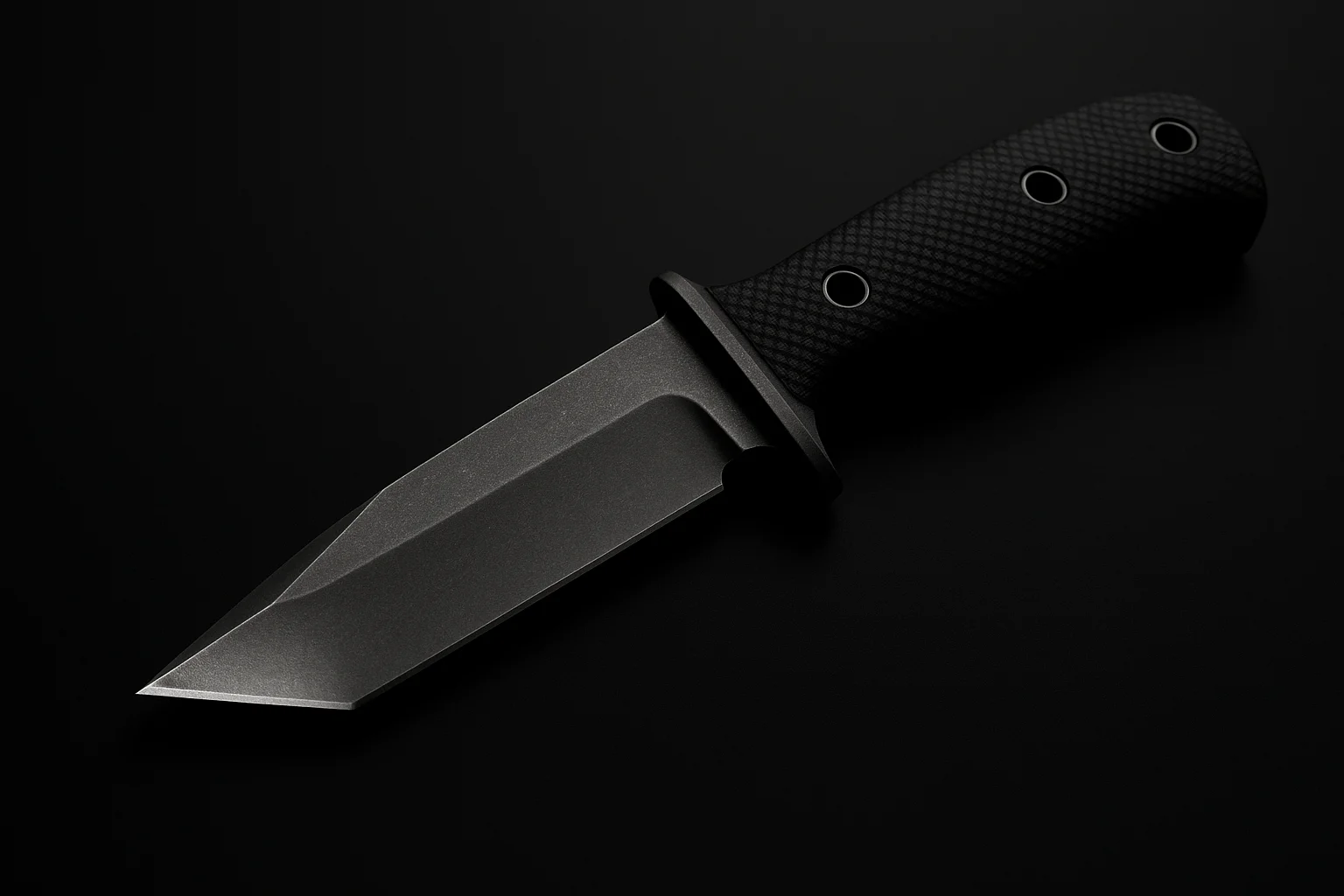
A tanto's angular, almost chisel-like tip stands out immediately next to a conventional curved blade point — and that shape isn't a stylistic choice so much as an engineering one, tracing back to Japanese swordsmithing and a design goal that's still relevant on modern tactical and utility fixed blades.
What Defines a Tanto
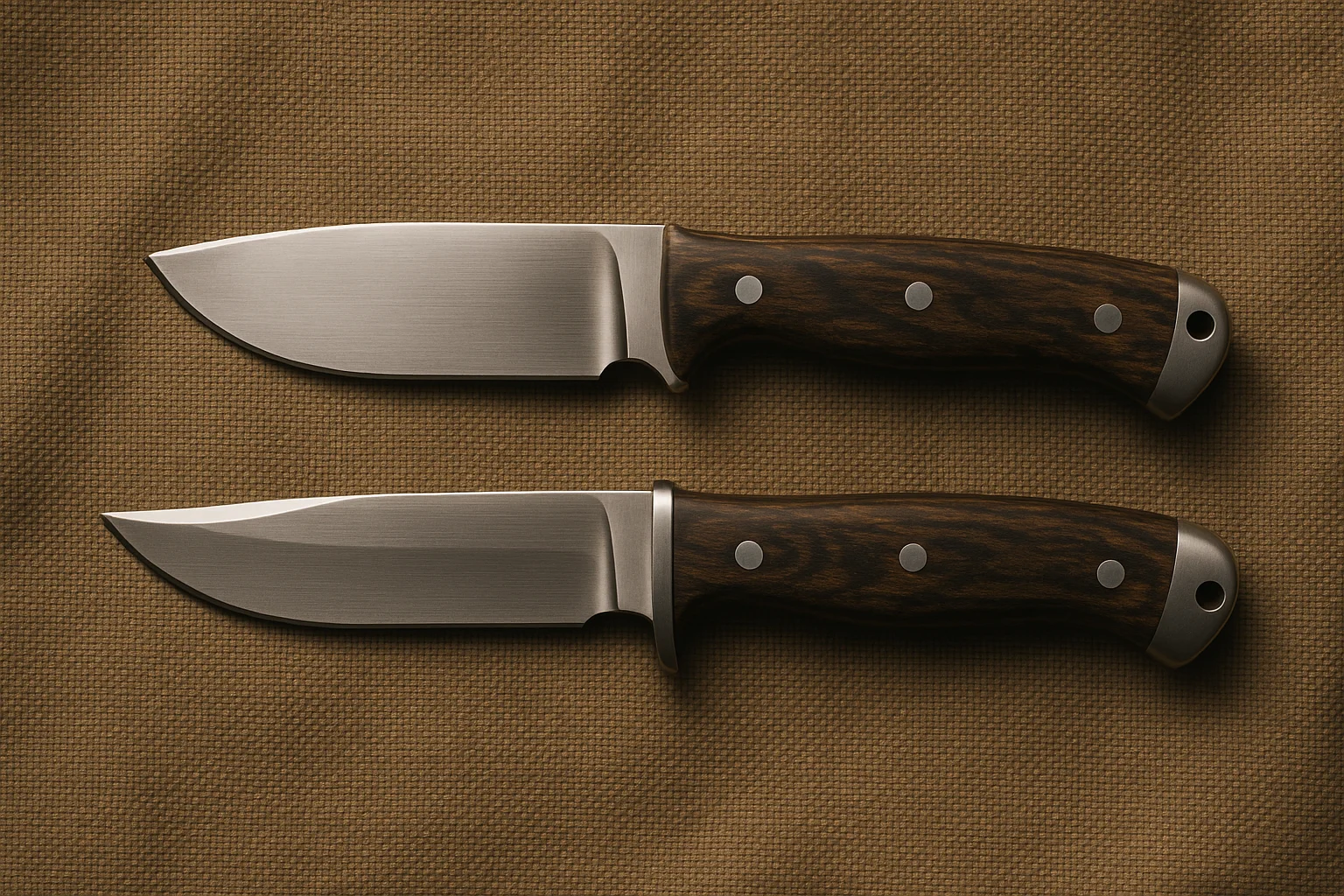
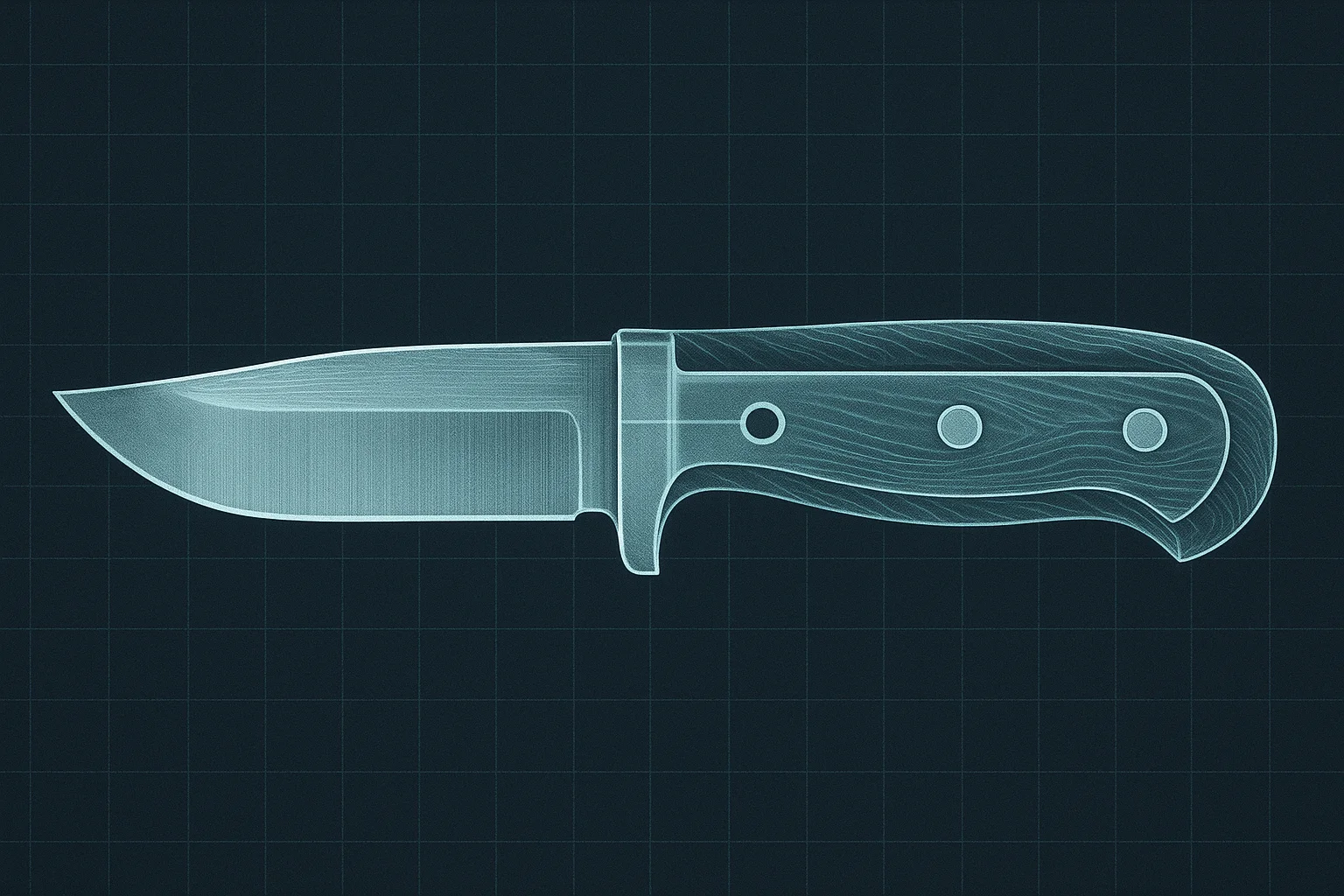
A tanto blade has a distinctive flat grind with an angular tip formed by two straight edges meeting at a defined point, rather than the smooth curve found on a drop-point or clip-point blade. This creates a noticeably stronger tip geometry, since the flat planes distribute stress differently than a curved point under lateral pressure.
Historical Origins
The tanto shape traces back to traditional Japanese short swords and daggers, historically used both as a sidearm and as a utility and ceremonial blade. The style's emphasis on a strong, piercing tip reflects its origins in a design tradition focused on functional strength as much as cutting geometry.
Why the Angular Tip Matters
A curved blade point, while excellent for slicing and general cutting, is more prone to breaking or rolling under lateral stress — prying, twisting, or hard impact against a resistant material. A tanto's flat-ground, angular tip trades some slicing efficiency for meaningfully more strength against exactly that kind of stress, making it a favored choice for knives expected to see hard use.
Modern Uses
- Tactical and utility fixed blades: the tanto's strength advantage makes it a common choice for knives built to handle harder use than typical everyday cutting.
- EDC folders: many modern pocket knives use a tanto or modified "American tanto" tip for added durability in a compact everyday-carry package.
- Piercing-focused tasks: the strong point handles piercing through tougher materials more reliably than a finer curved tip.
Traditional Tanto vs. American Tanto
A traditional Japanese tanto follows the original sword-derived geometry closely, with a relatively straight edge and a distinct angular tip. The "American tanto," a modern Western reinterpretation popularized in tactical knife design, exaggerates the angular tip further and often pairs it with a more aggressive overall blade profile — a related but visually distinct evolution of the original concept.
Trade-Offs Compared to Curved Blade Shapes
The tanto's strength advantage at the tip comes at some cost to general slicing performance — the flatter grind and angular geometry don't glide through food or soft materials quite as smoothly as a curved drop-point or clip-point blade. This is exactly why the tanto shows up far more often on tactical and outdoor knives than on kitchen knives, where slicing performance matters more than tip strength.
Who Should Choose a Tanto
Anyone prioritizing tip strength and durability for hard use — prying, piercing tougher materials, general rugged outdoor or tactical tasks — over pure slicing performance is the right fit for a tanto-style blade.


Comments (0)
No comments yet. Be the first to share your thoughts!
Leave a comment
Your comment will appear after it's reviewed. Your email is never shown publicly.