
Buying Guides & Knife Types

What Is a Boning Knife Used For?

Posted by Umar Toor · 6 Sep, 2026 · 2 min read · 13 views · 0 comments
What Is a Boning Knife Used For?

Learn how a boning knife's thin, flexible blade makes trimming meat and fish easier and safer.

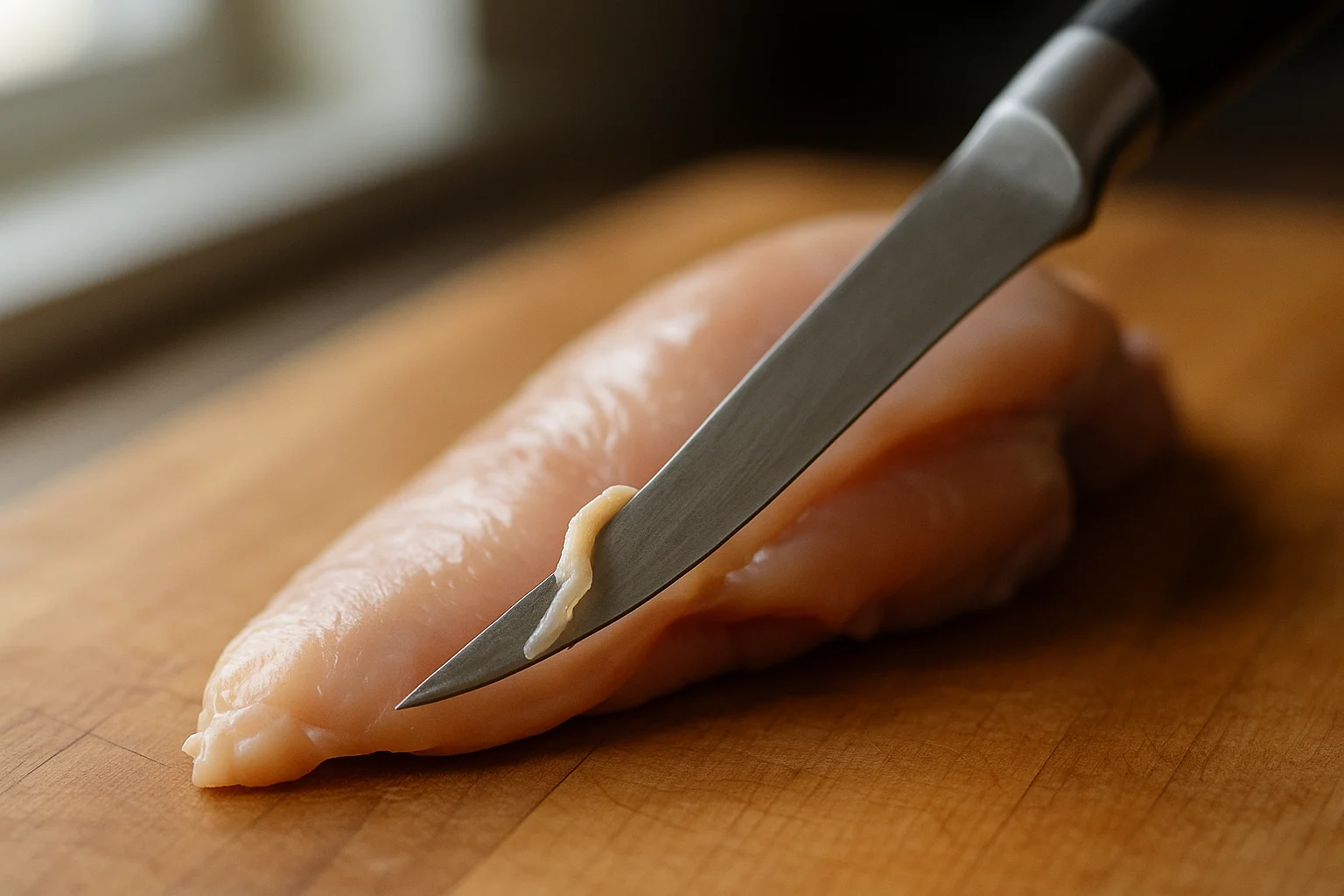
A boning knife's narrow, semi-flexible blade is purpose-built for one specific challenge: working close along bone and joints to separate meat with minimal waste — a job a wide chef's knife simply isn't shaped to do well.

What Defines a Boning Knife

Typically 5 to 6.5 inches, a boning knife has a narrow blade with some degree of flex, letting it curve slightly to follow bone contours the way a fillet knife follows fish bone structure, while retaining enough stiffness to handle denser meat and poultry than a fillet knife is built for.

What a Boning Knife Is Used For

Stiff vs. Flexible Boning Knives

Some cooks who do a lot of different meat prep keep one of each, similar to how fillet knives are chosen based on flex for different fish.
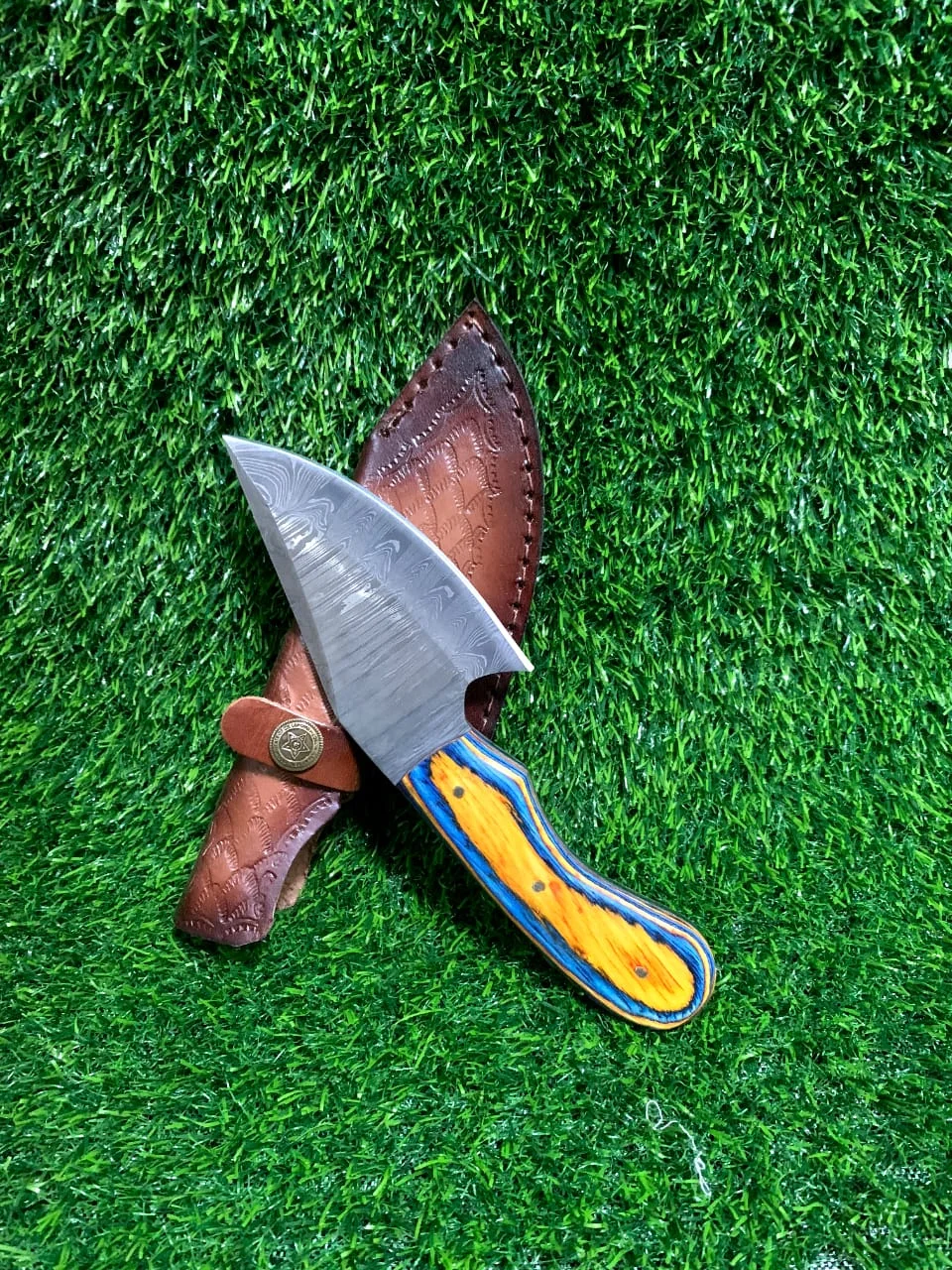
Boning Knife vs. Fillet Knife

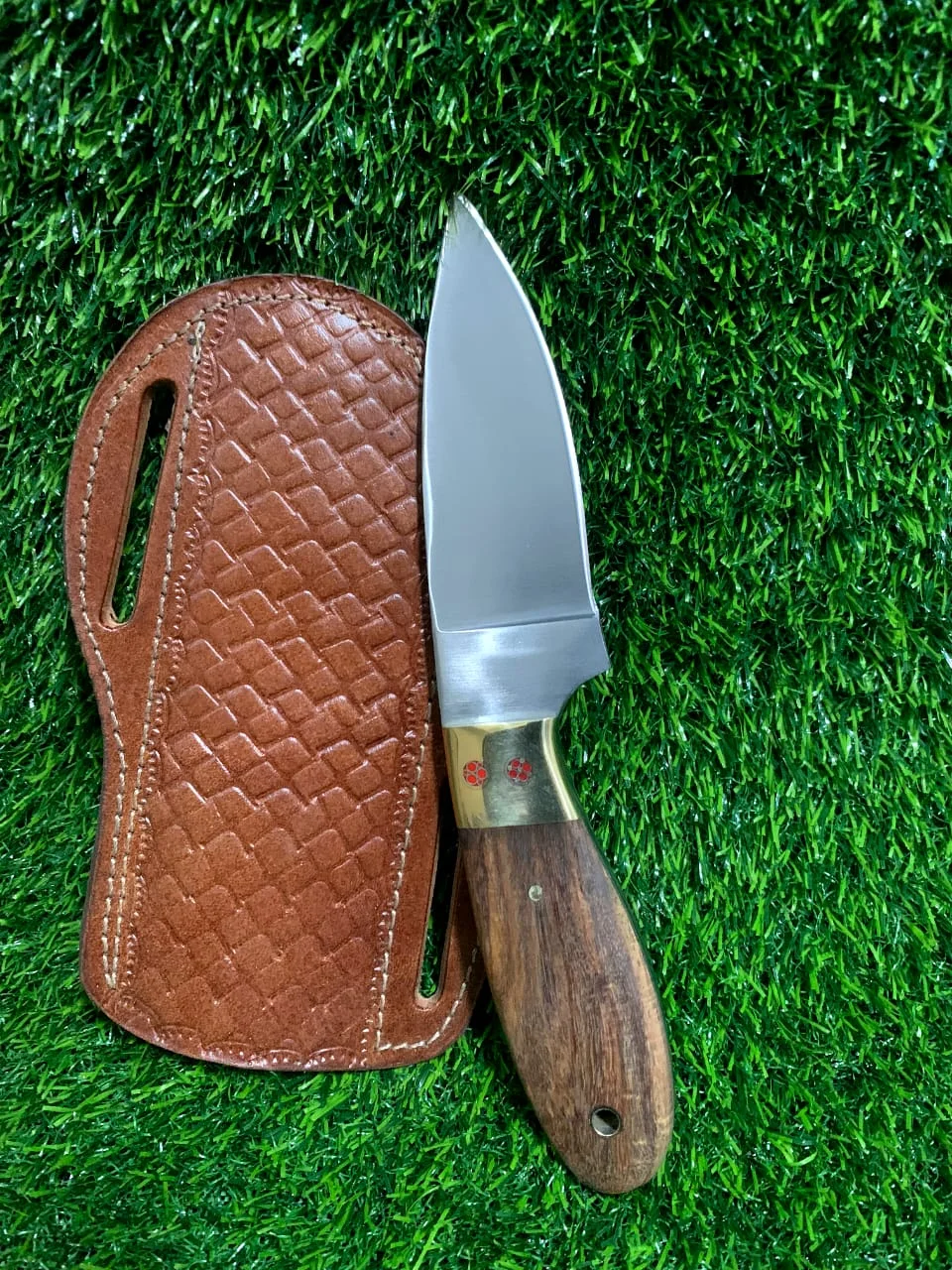
The two are closely related in shape but built for different materials: a fillet knife is thinner and more flexible, purpose-built for fish, while a boning knife has more stiffness suited to poultry and larger meat cuts. A boning knife can sometimes substitute for lighter fish work, but a dedicated fillet knife's extra flex gives better results specifically on fish.

Technique Basics

Boning work generally uses the tip more than the belly of the blade, making small, controlled cuts that follow the bone's contour rather than long sweeping strokes — precision and control matter more here than raw cutting power.

Caring for a Boning Knife

Given the precise, close-contact work against bone, a boning knife benefits from a moderately durable edge — often 17–20 degrees per side — balancing sharpness with enough resilience for the occasional light bone contact this kind of work involves.

Share:

Frequently Asked Questions

Working close along bone and joints to separate meat cleanly — removing bones from poultry, trimming around joints, deboning larger cuts, and trimming fat and silverskin with precision.

Stiff blades suit denser meat and larger cuts where control against tougher tissue matters. Flexible blades suit poultry and more delicate work where following tight bone contours reduces waste.

A fillet knife is thinner and more flexible, purpose-built for fish. A boning knife has more stiffness suited to poultry and larger meat cuts — related in shape but optimized for different materials.

5 to 6.5 inches is typical, giving enough length for control while staying narrow and precise enough to work close along bone.

Roughly 17–20 degrees per side, balancing sharpness with enough durability for the occasional light bone contact this kind of close, precise work involves.

Comments (0)

No comments yet. Be the first to share your thoughts!

Leave a comment

Your comment will appear after it's reviewed. Your email is never shown publicly.

You May Also Like

Drop Point vs Clip Point: Hunting Knife Blade Shapes Explained

Drop Point vs Clip Point: Hunting Knife Blade Shapes Explained

Umar Toor · 12 Sep, 2026
Full Tang vs Hidden Tang: What's the Difference?

Full Tang vs Hidden Tang: What's the Difference?

Umar Toor · 11 Sep, 2026
Tomahawk vs Hatchet: Which Should You Choose?

Tomahawk vs Hatchet: Which Should You Choose?

Umar Toor · 11 Sep, 2026
Hatchet vs Axe: What's the Difference?

Hatchet vs Axe: What's the Difference?

Umar Toor · 10 Sep, 2026