


Michigan takes a fairly permissive approach to ordinary knife carry compared to some other states, with its restrictions centered mainly on intent and a specific list of named restricted types rather than a blanket blade-length limit.
The Core Standard: Unlawful Intent
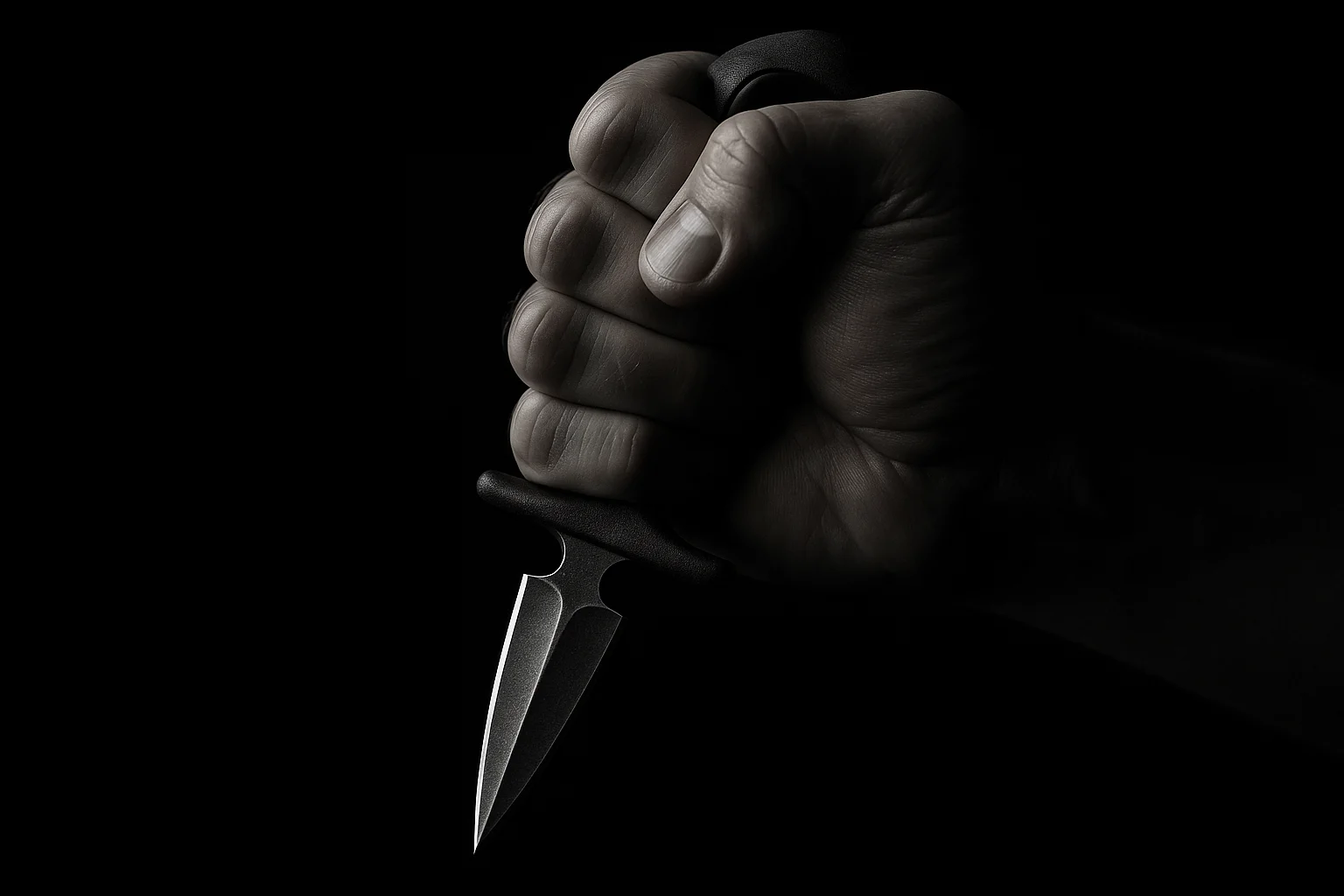
Michigan law centers heavily on whether a knife is carried or used with unlawful intent against another person, rather than restricting ordinary knife ownership and carry outright. This means context matters — the same knife carried for everyday utility purposes is treated very differently under the law than one carried or brandished with intent to cause harm.
Restricted Types
Michigan restricts specific categories regardless of intent, including:
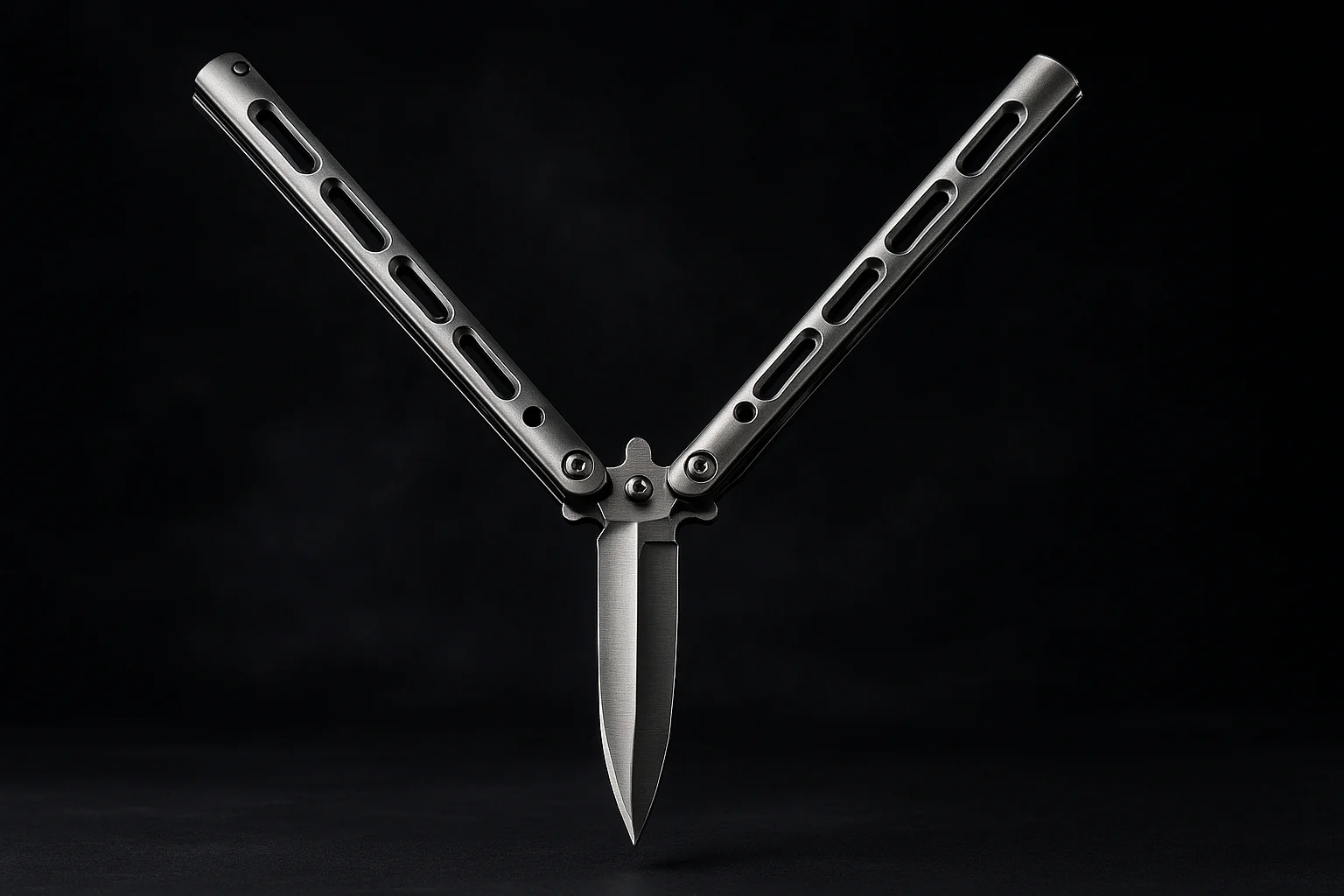
- Switchblades (automatic-opening knives), which face specific restrictions on manufacture, sale, and carry.
- Certain other specialty weapon types named individually in state statute.
What's Generally Permitted
Ordinary folding and fixed-blade knives, carried openly or concealed for lawful everyday, hunting, or utility purposes, are generally not restricted by blade length under Michigan's general framework. This makes Michigan one of the more straightforward states for typical EDC and outdoor knife carry.
Concealed Carry Considerations
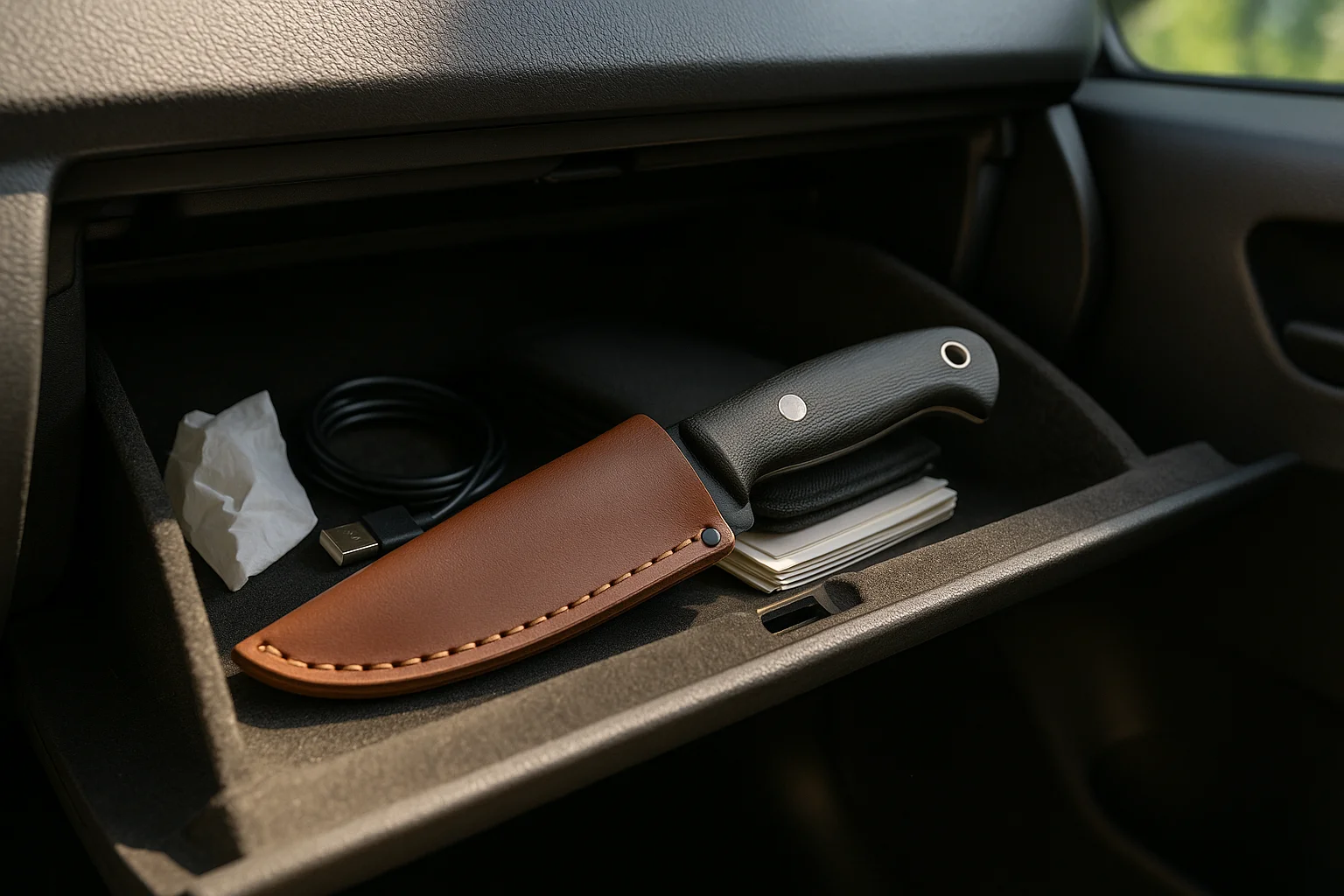
While Michigan doesn't set a blanket blade-length cap, concealed carry of a "dangerous weapon" more broadly can draw additional scrutiny depending on the specific circumstances and the type of knife involved — this is where the intent-based standard becomes especially relevant.
Location-Based Restrictions
As with most states, schools, courthouses, and certain government buildings restrict knife carry regardless of the general statewide rule. These location-specific restrictions apply on top of, not instead of, the general framework above.
The Practical Takeaway
For most everyday carry — a standard EDC folder or a hunting fixed blade used and carried for ordinary lawful purposes — Michigan's approach is relatively permissive. The main things to actually watch for are the specific restricted types (switchblades) and being mindful that intent can be part of how any knife-related incident gets evaluated.
This article is general information, not legal advice. Verify current Michigan statute and any local ordinances before carrying.
Comments (0)
No comments yet. Be the first to share your thoughts!
Leave a comment
Your comment will appear after it's reviewed. Your email is never shown publicly.