The stiletto's slim, piercing blade has a long history — and a few legal restrictions of its own.
"Stiletto" gets used loosely to describe almost any narrow, dramatic-looking automatic knife, but the term technically refers to a specific blade shape, not an opening mechanism — a distinction worth separating out from the switchblade stereotype most people associate with the name.
What Defines a Stiletto Blade
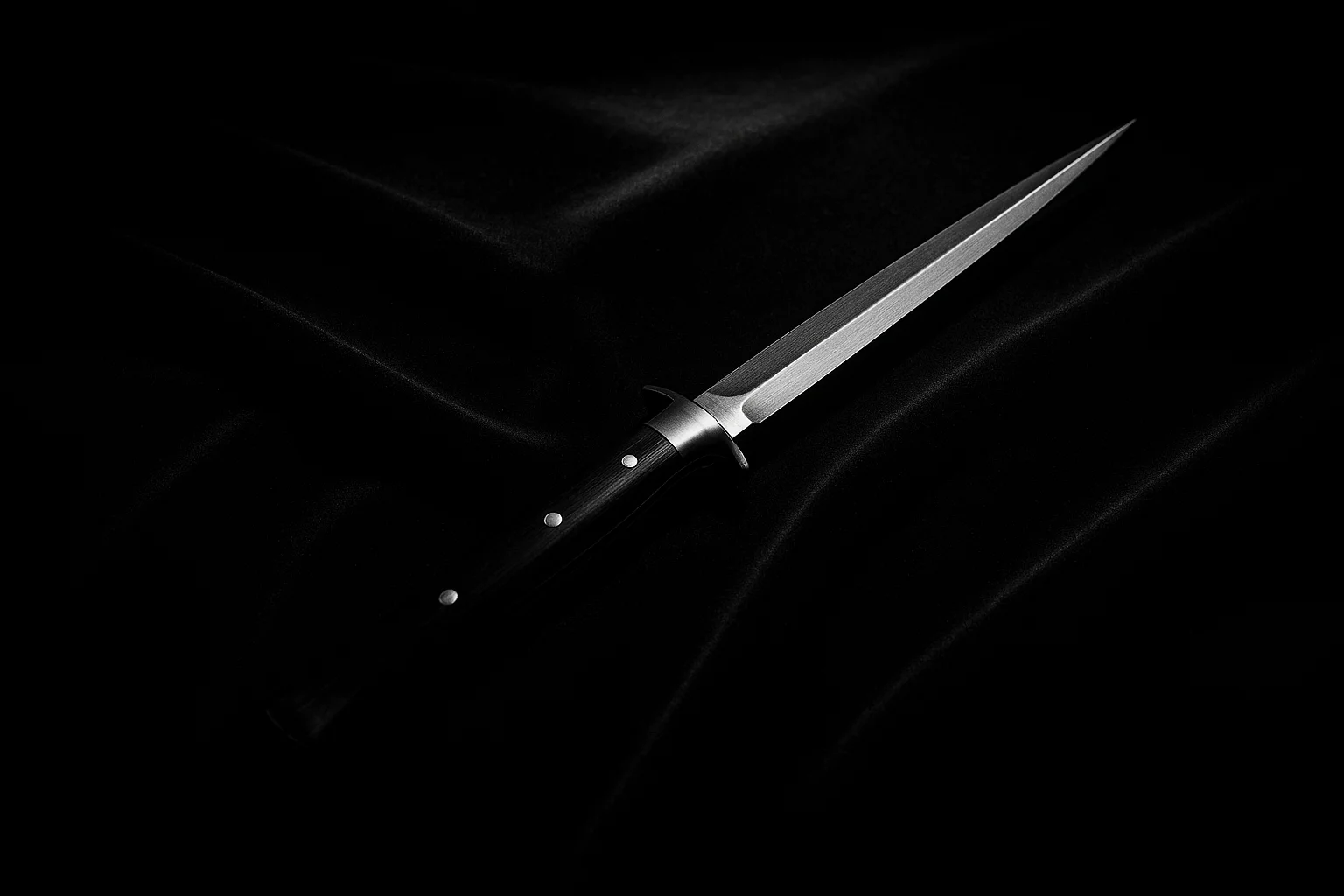
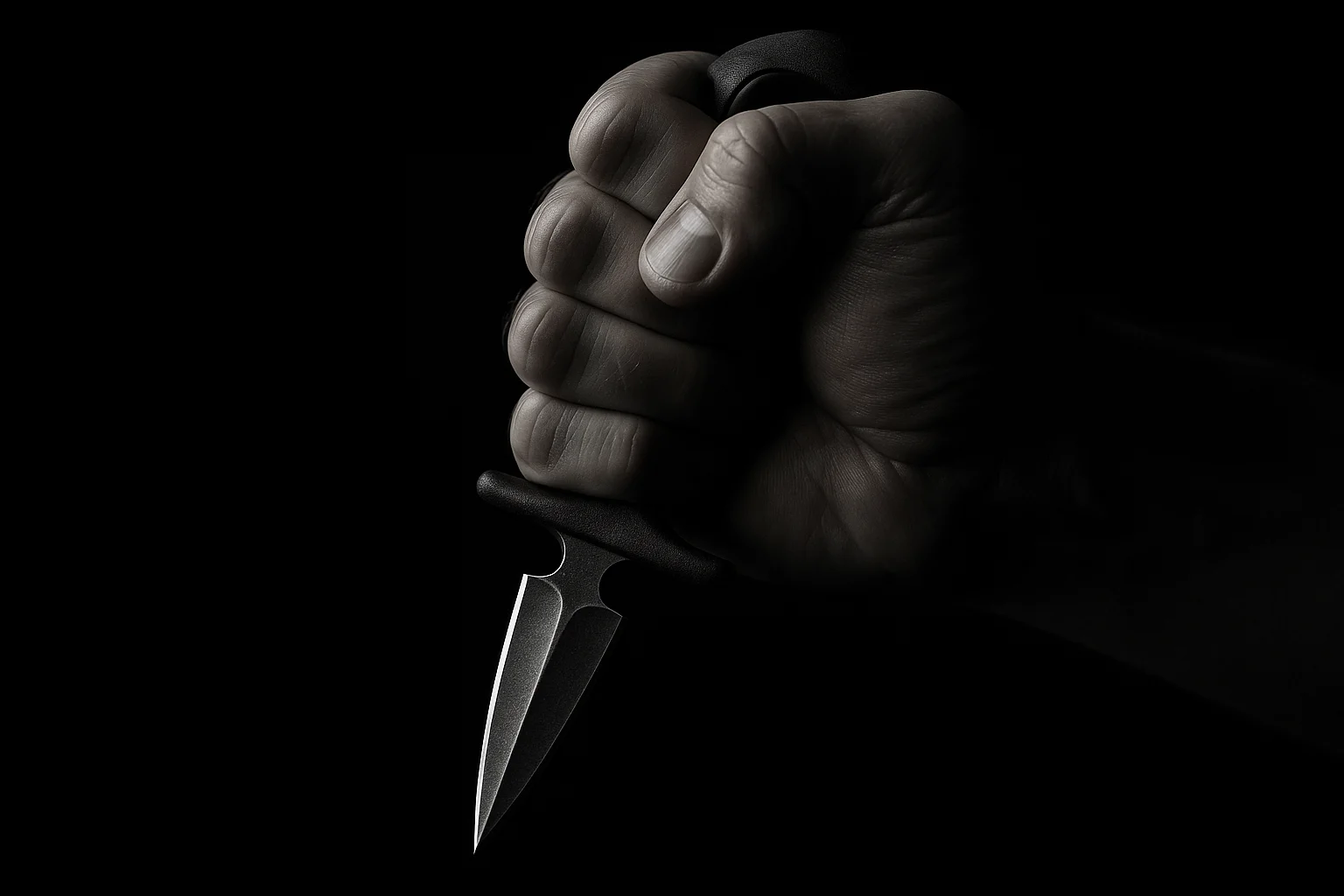
A true stiletto is defined by its blade geometry: a narrow, gradually tapering blade with little or no functional cutting edge along most of its length, built primarily for thrusting and piercing rather than slicing. The blade cross-section is often triangular or diamond-shaped rather than a typical flat, edged profile — history and function both point toward a fighting or dueling design rather than general utility cutting.
The Historical Stiletto
The stiletto's origins trace back centuries in European design, well before automatic-opening mechanisms existed, as a purely fixed-blade weapon prized for its ability to penetrate deeply with minimal blade width — a fundamentally different design goal than a utility or kitchen knife optimized for cutting and slicing.
Why It Gets Confused With Switchblades
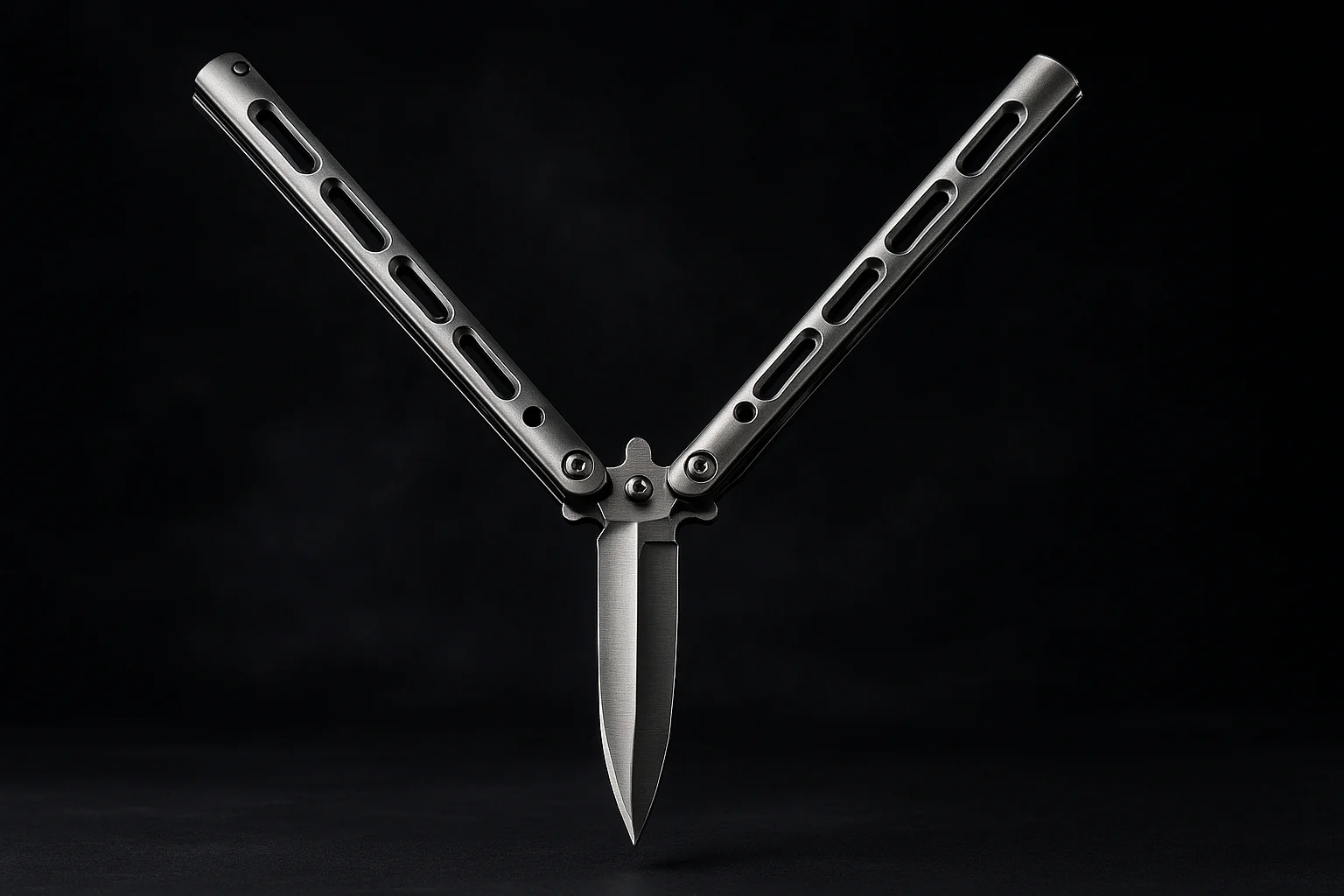
Mid-20th-century pop culture, particularly Italian-style automatic knives with stiletto-shaped blades, popularized an association between the stiletto blade shape and switchblade opening mechanisms. This cultural pairing is common enough that many people now use "stiletto" to describe the mechanism (automatic-opening) rather than the actual blade shape it originally referred to — but the two are legally and technically separate concepts.
Legal Status
The blade shape itself (narrow, tapering, piercing-focused) isn't automatically restricted the way an automatic-opening mechanism is — a fixed-blade knife with a stiletto-style profile is generally subject to the same general knife-law framework as any other fixed blade of similar size in most states. It's specifically the automatic-opening mechanism, when combined with a stiletto blade shape (as in classic Italian stiletto switchblades), that brings in the separate switchblade restrictions.
Modern Stiletto-Style Knives
Modern stiletto-profile knives are made in both fixed-blade and manual folding formats that carry no automatic-mechanism restrictions at all, alongside genuine automatic stiletto switchblades that do face those restrictions — meaning "is a stiletto legal" really depends on which specific knife (mechanism, not just blade shape) is being asked about.
This article is general information, not legal advice. Stiletto-style automatic knives fall under switchblade restrictions in many jurisdictions — verify current state law for the specific knife type and mechanism you're considering.


Comments (0)
No comments yet. Be the first to share your thoughts!
Leave a comment
Your comment will appear after it's reviewed. Your email is never shown publicly.