What Pennsylvania law actually says about carrying pocket knives and fixed blades.
Pennsylvania's knife law is fairly permissive on its face — there's no specific statewide blade-length cap for ordinary knives — but it layers in a list of named restricted types and, like several other states, an intent-based standard that matters as much as the knife itself.
No General Blade-Length Cap
Pennsylvania doesn't set a specific maximum legal blade length for ordinary folding or fixed-blade knives carried for lawful purposes. This puts it among the more permissive states in terms of pure length restrictions, similar in spirit to Texas's post-2017 framework, though the two states' statutes aren't identical.
Restricted Categories
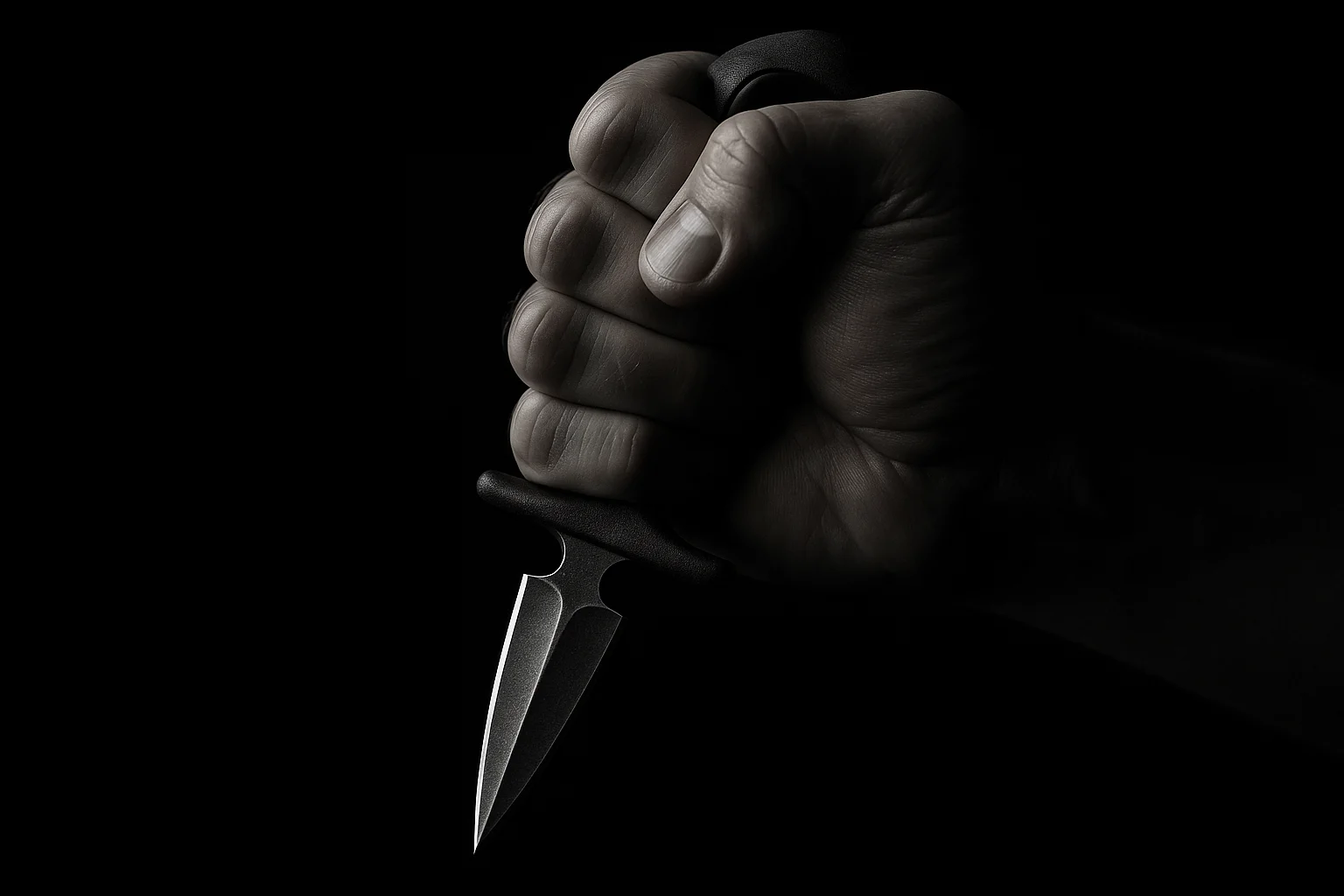
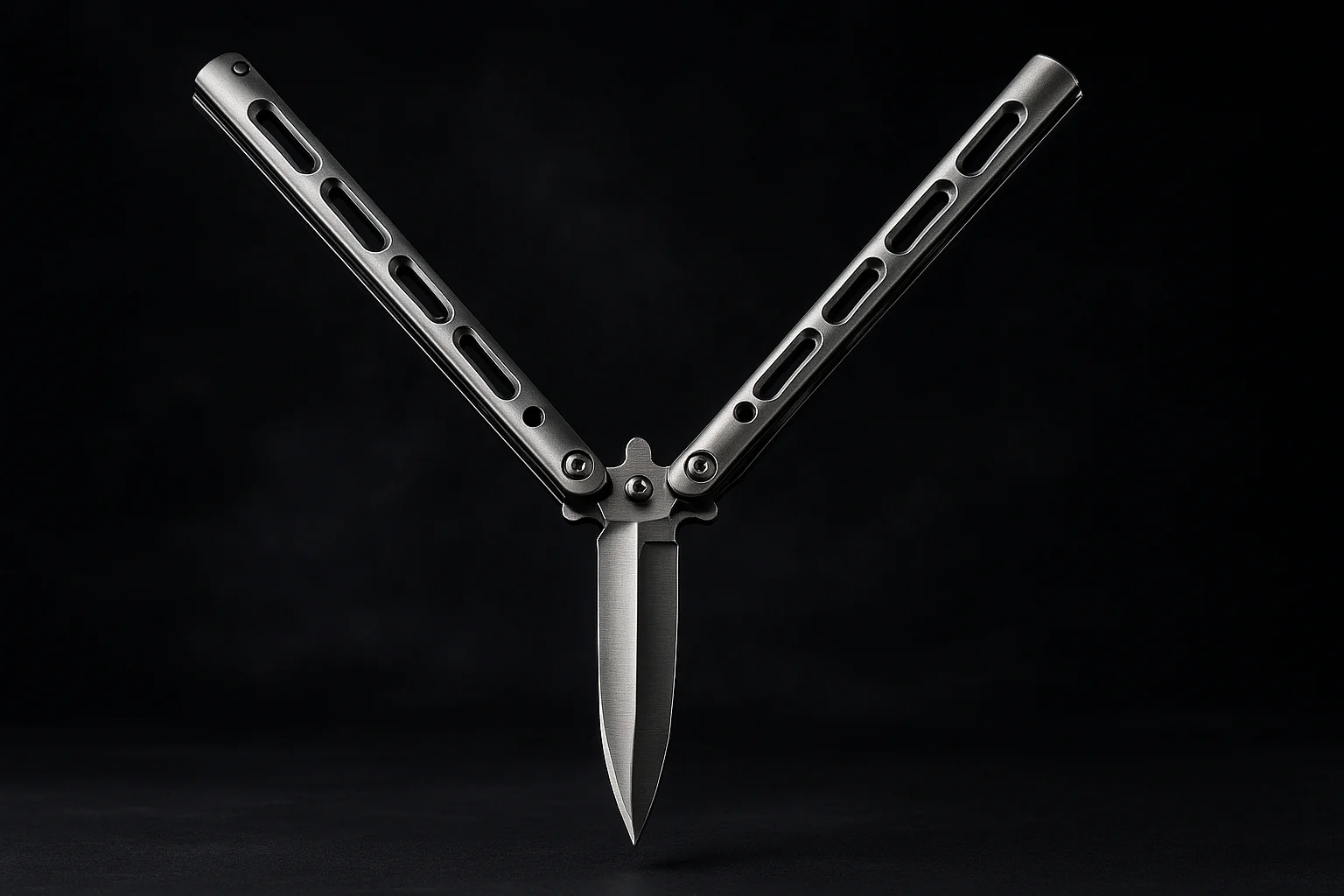
Pennsylvania law names several specific weapon types as restricted regardless of the general permissive stance on length, which can include certain daggers, dirks, and other specialty blade types depending on current statute. It's worth checking the current list directly, since named categories like this are exactly the kind of detail that can change with legislative updates.
The Unlawful Intent Standard
Similar to several neighboring states, Pennsylvania weighs whether a weapon (which can include a knife) is possessed with intent to use it unlawfully against another person. This means an ordinary pocket or fixed-blade knife carried for everyday, hunting, or work purposes is treated differently under the law than the same knife carried or used with unlawful intent.
What This Means Practically
- Standard EDC folders and typical outdoor/utility fixed blades are generally not an issue for lawful everyday carry.
- Specifically named restricted types (check current statute) remain off-limits regardless of intent.
- Context and apparent intent can factor into how law enforcement or a court treats a knife-related situation, even for an otherwise unrestricted knife.
Local and Location-Based Rules
As with most states, schools and certain government or secured facilities restrict knife carry regardless of the general state framework — this applies in Pennsylvania the same way it does elsewhere.
This article is general information, not legal advice. Always verify current Pennsylvania statute, including the specific list of restricted knife types, before carrying.



Comments (0)
No comments yet. Be the first to share your thoughts!
Leave a comment
Your comment will appear after it's reviewed. Your email is never shown publicly.