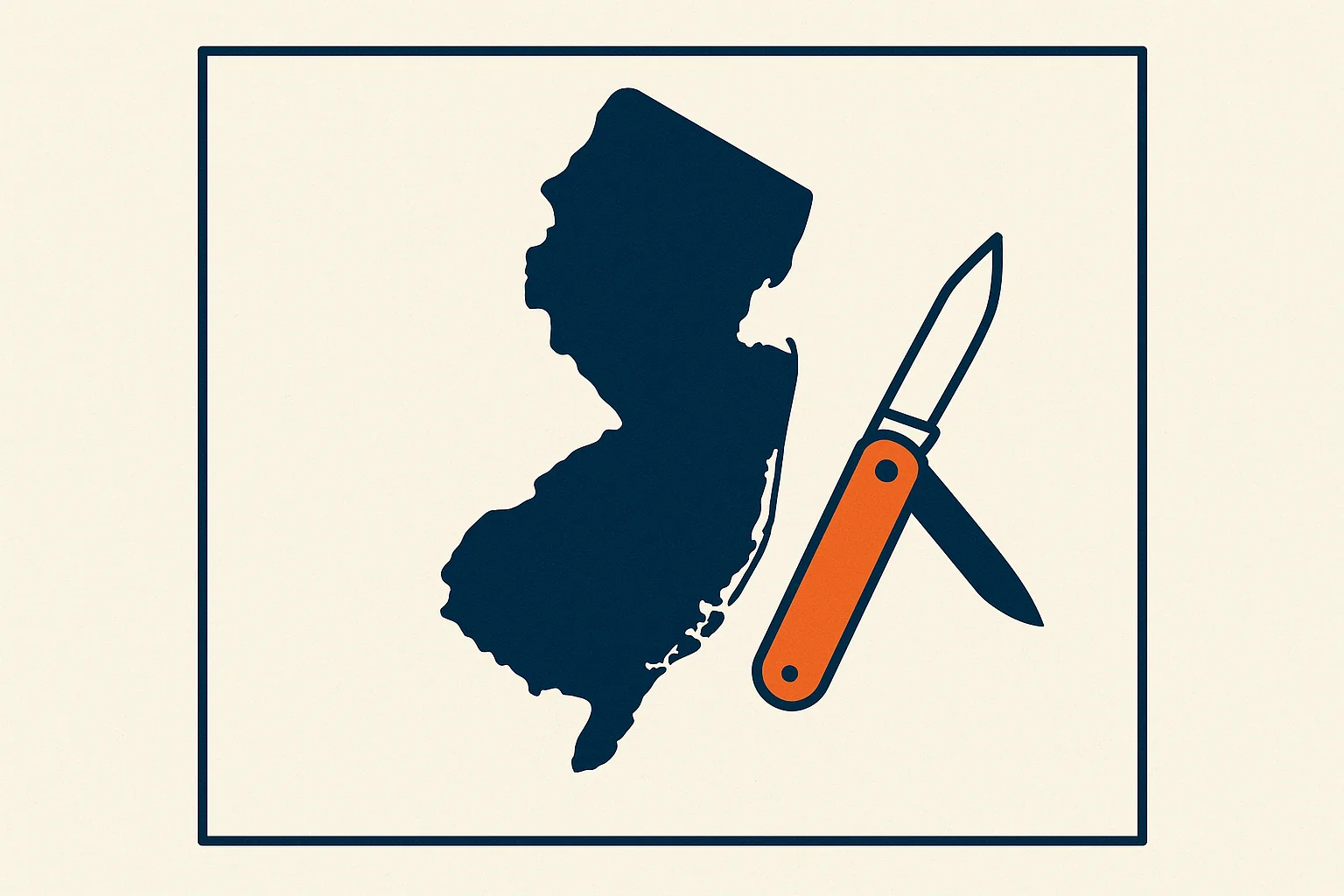
New Jersey's knife laws focus heavily on intent — here's what that means for everyday carry.
New Jersey's knife law puts unusually heavy weight on intent — the same knife can be treated very differently under the law depending on the context and purpose it's carried for, which is a different framework than states that rely mainly on blade length.
The Intent-Based Standard
New Jersey law focuses significantly on whether a knife is carried with unlawful purpose, rather than restricting ordinary knife ownership and carry by length alone. This means the same folding knife carried for everyday utility purposes is generally treated very differently under the law than one carried or used with intent to unlawfully harm someone.
Specifically Restricted Types
Regardless of intent, New Jersey restricts certain specific categories outright, which typically include:
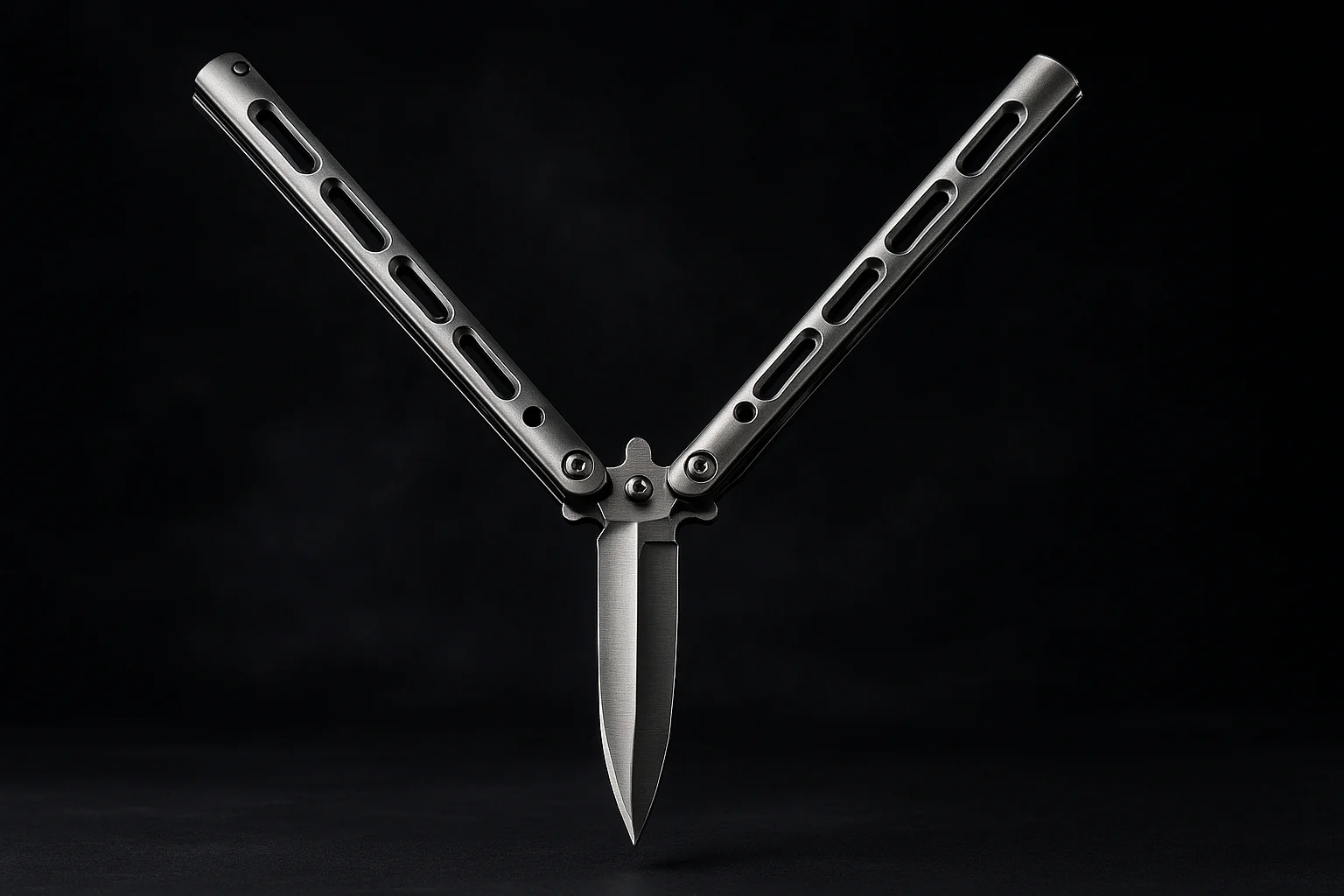
- Switchblades and gravity knives.
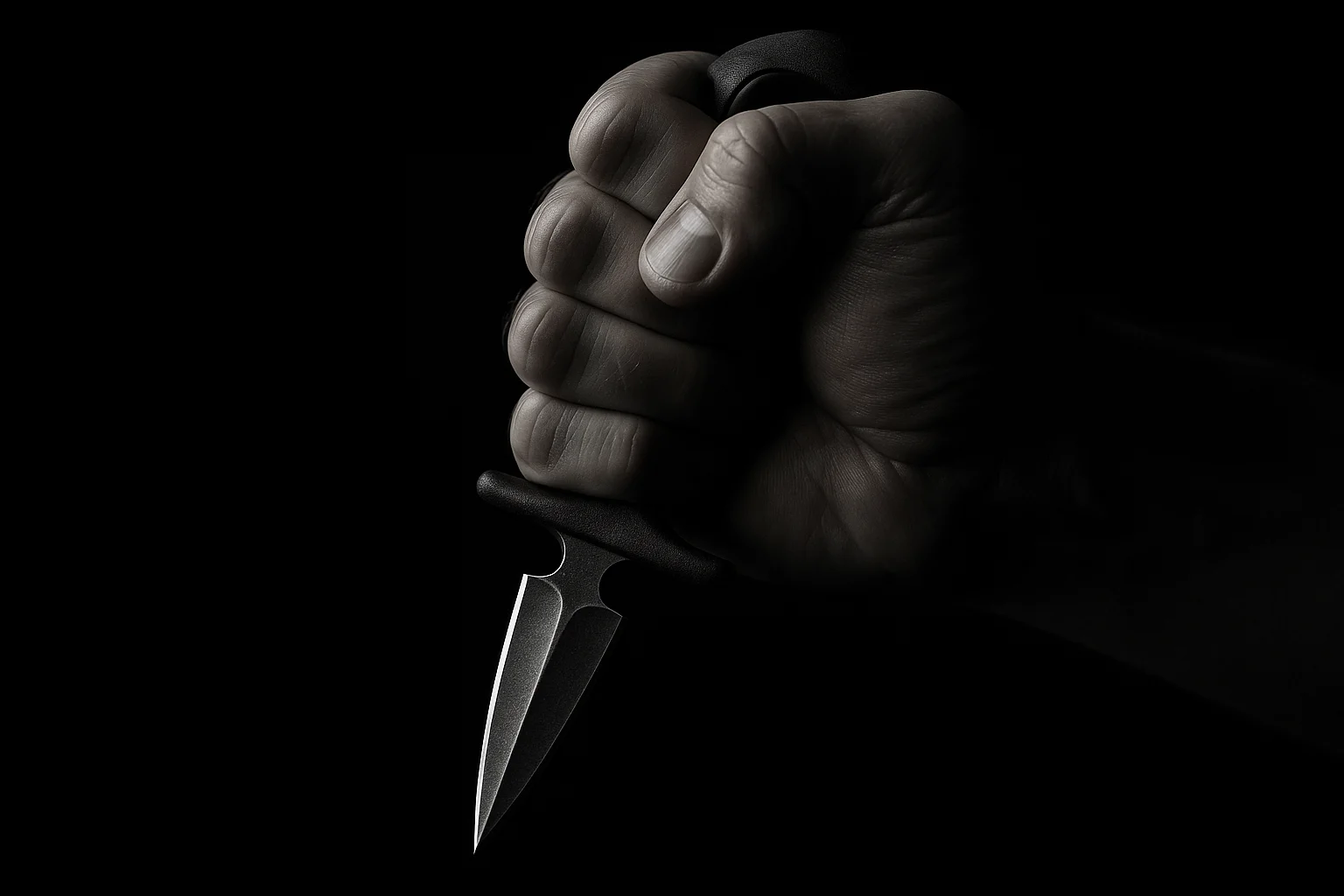
- Certain daggers, dirks, and stilettos depending on current statutory definitions.
- Other specialty weapon types named individually in state statute.
What This Means in Practice
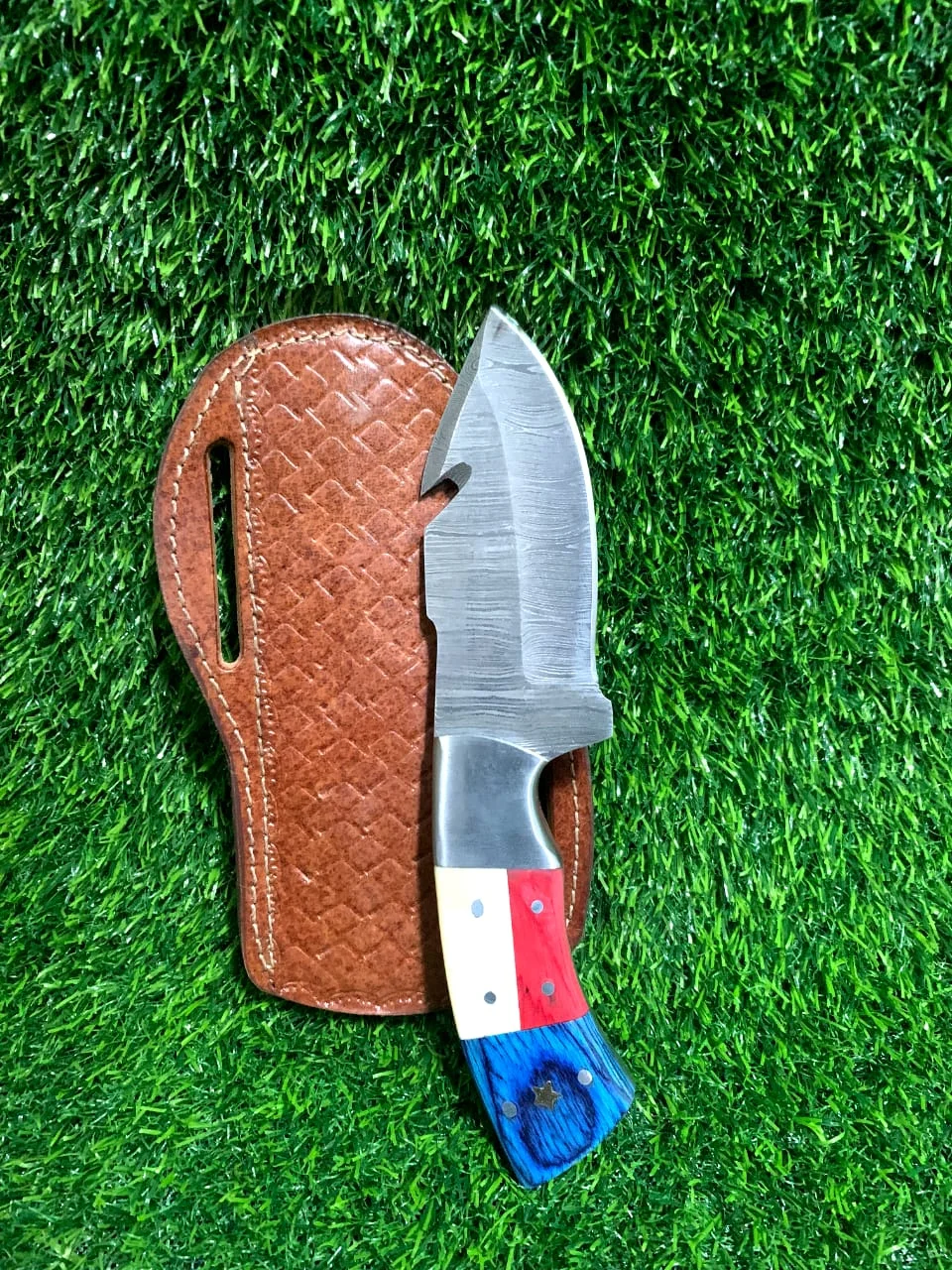
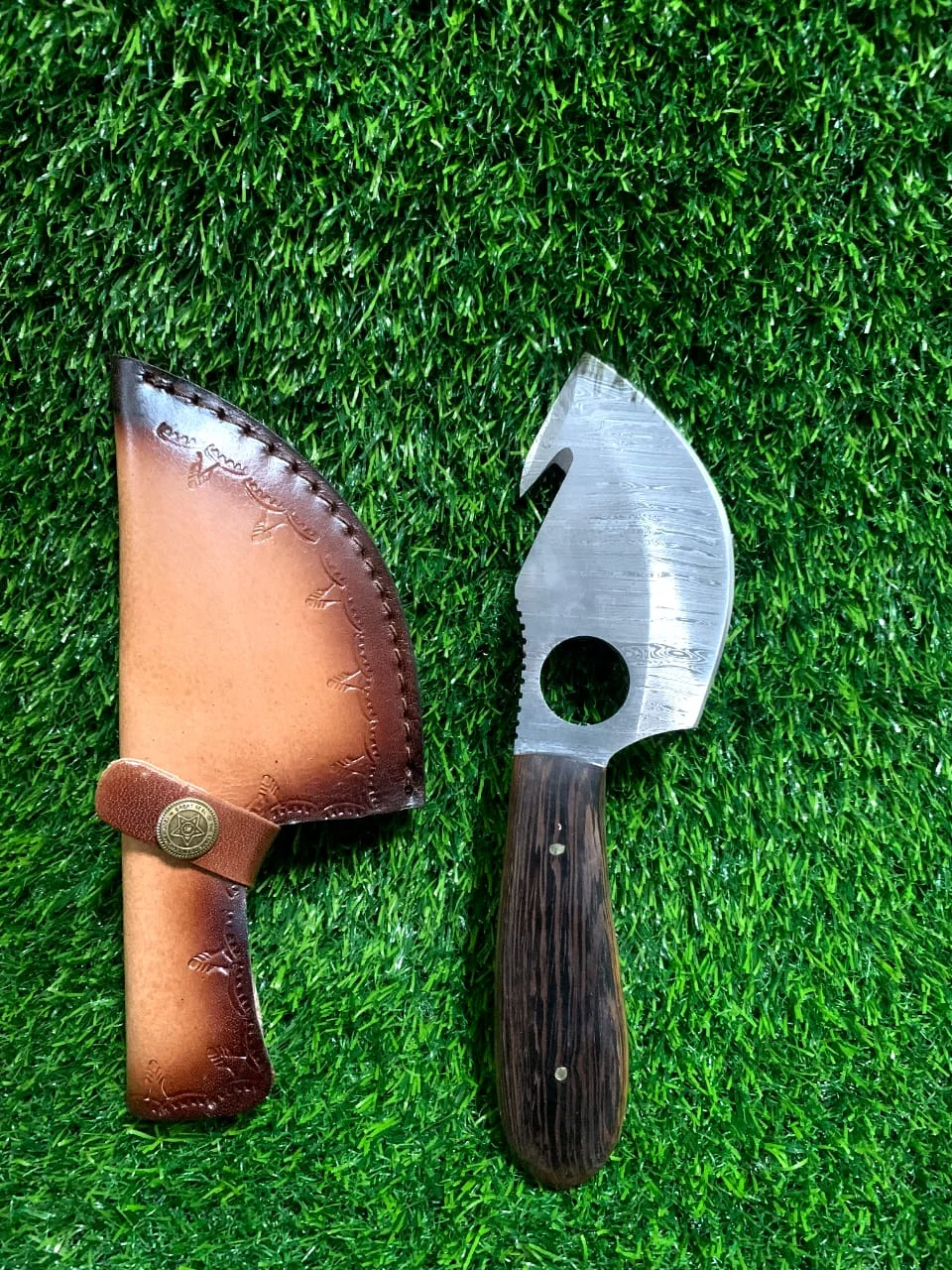
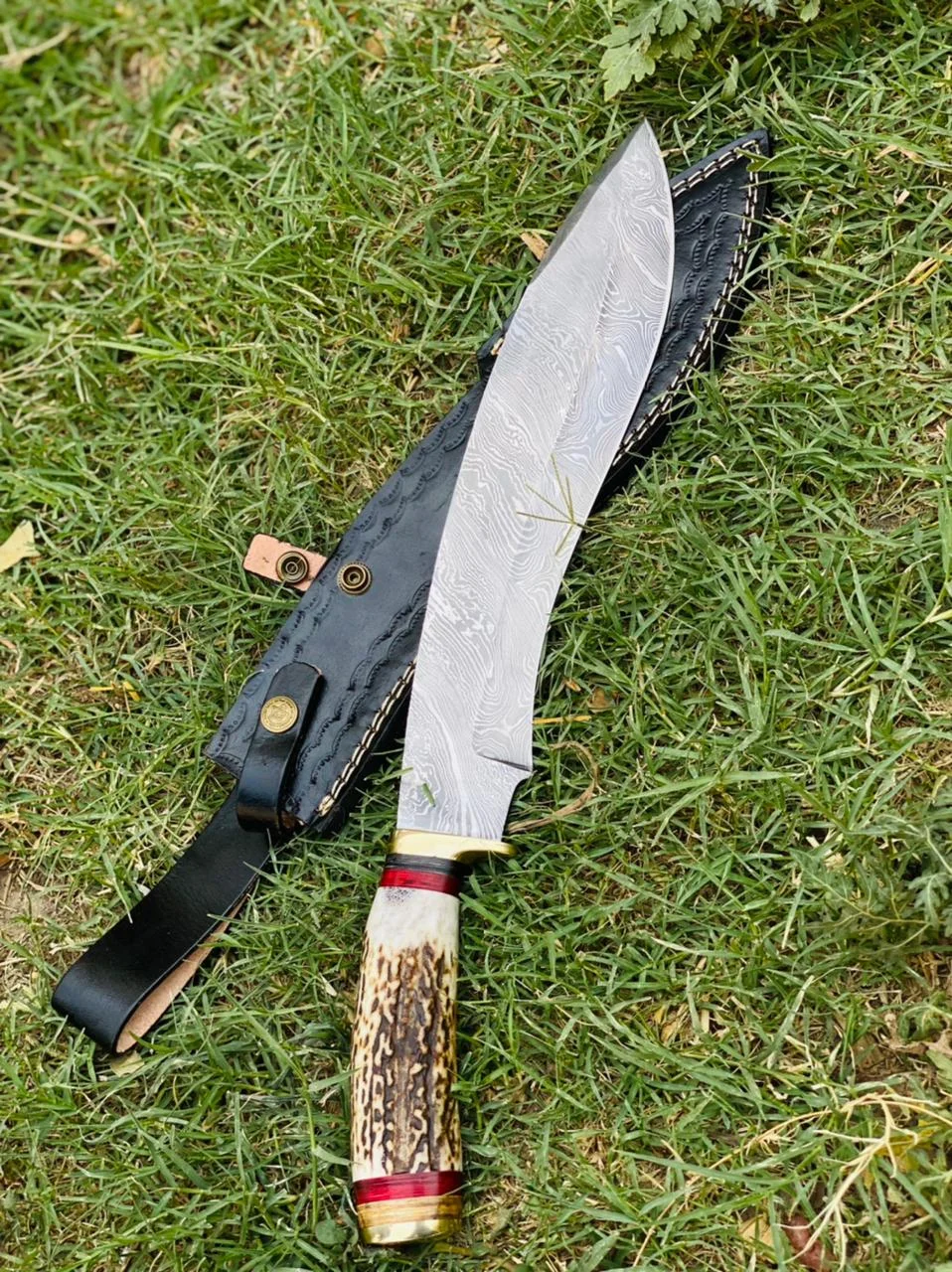
For most ordinary carry — a standard EDC folder used for everyday tasks, or a fixed blade used for hunting or utility work — New Jersey's intent-based standard tends to work in the carrier's favor, since there's no unlawful purpose behind normal use. The specifically restricted types above remain off-limits regardless of intent, and how a knife is carried or used in a specific incident can still factor into how any situation is evaluated.
Concealed vs. Open Carry
New Jersey doesn't draw as sharp a distinction between open and concealed carry as some states — the intent standard applies broadly regardless of how the knife is carried, which is a different emphasis than states like Virginia that treat concealment itself as the key factor.
Practical Guidance
- Ordinary knives carried and used for lawful everyday purposes are the more straightforward category under New Jersey's framework.
- Avoid the specifically restricted types (switchblades, gravity knives, and named specialty blades) regardless of intent.
- Be mindful that context and apparent purpose can factor into how any knife-related situation is evaluated under this intent-focused standard.
This article is general information, not legal advice. Verify current New Jersey statute before carrying, particularly regarding the specifically restricted knife types.


Comments (0)
No comments yet. Be the first to share your thoughts!
Leave a comment
Your comment will appear after it's reviewed. Your email is never shown publicly.