Learn the sandpaper test and other simple ways to spot genuine hand-forged Damascus steel.
The Damascus market has a genuine authenticity problem — cheap acid-etched or laser-printed blades mimicking the pattern have flooded budget retail in recent years, which makes it worth knowing exactly how to tell a genuinely forge-welded Damascus blade from an imitation before you buy.
What Makes Damascus Steel "Real"
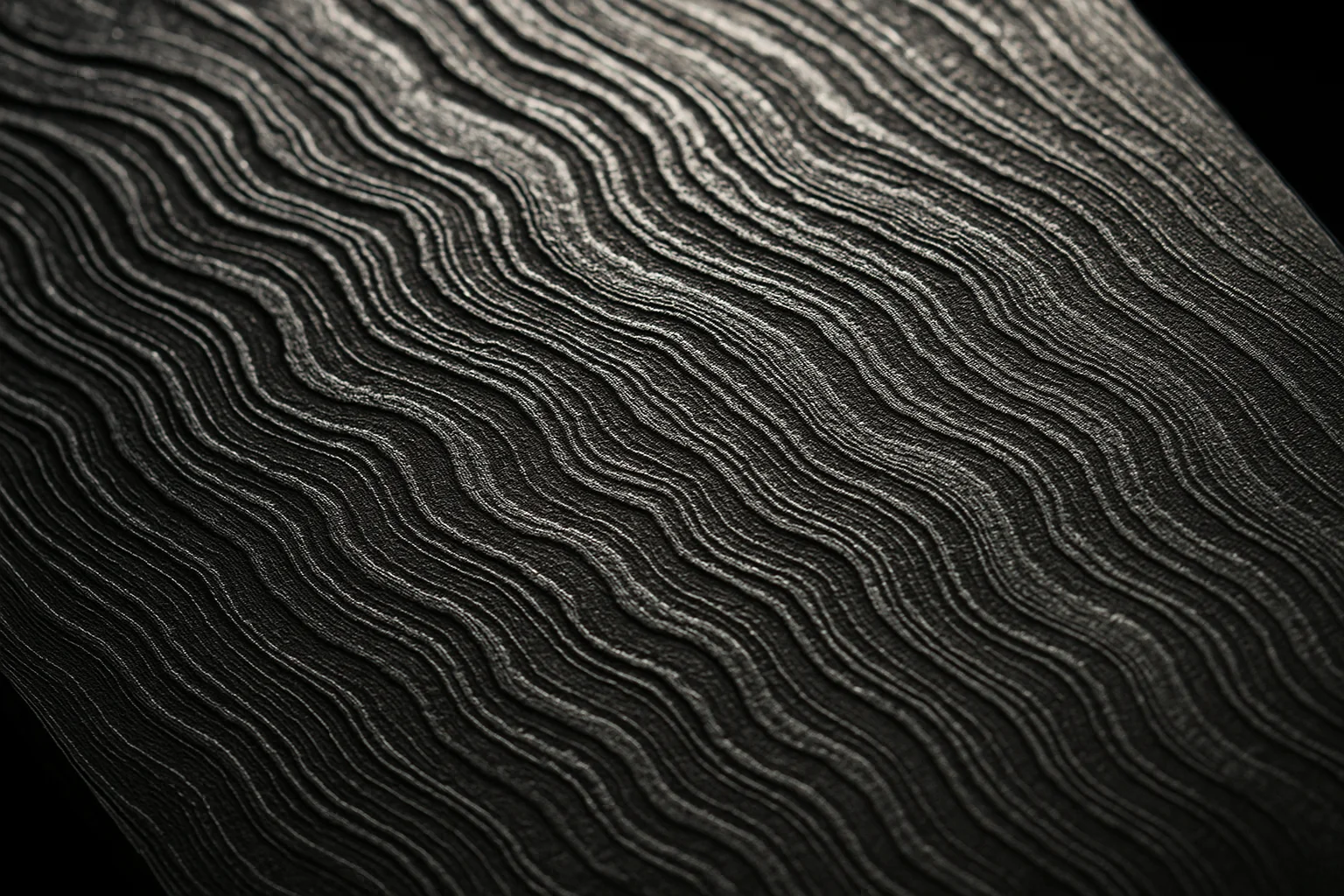
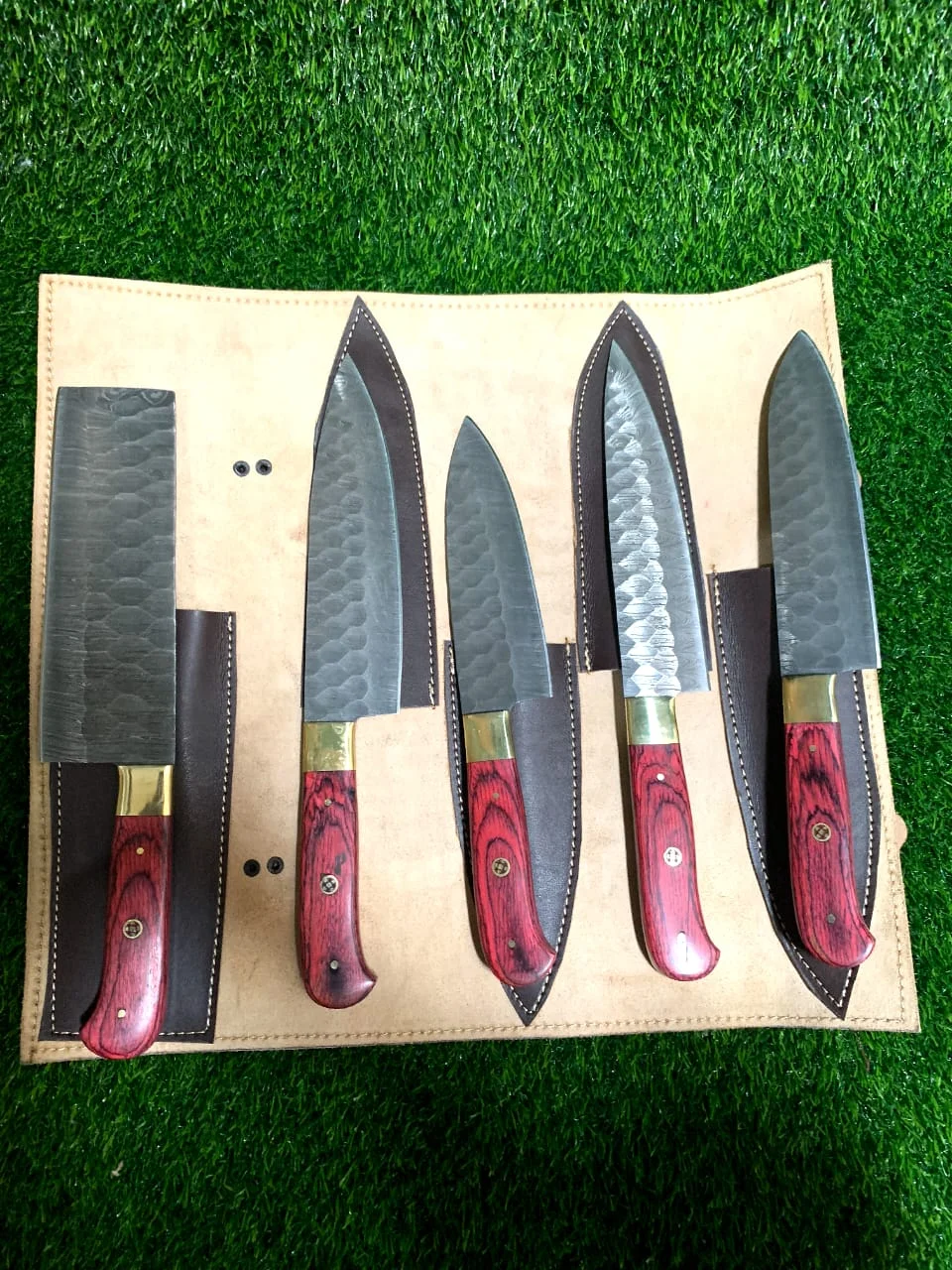
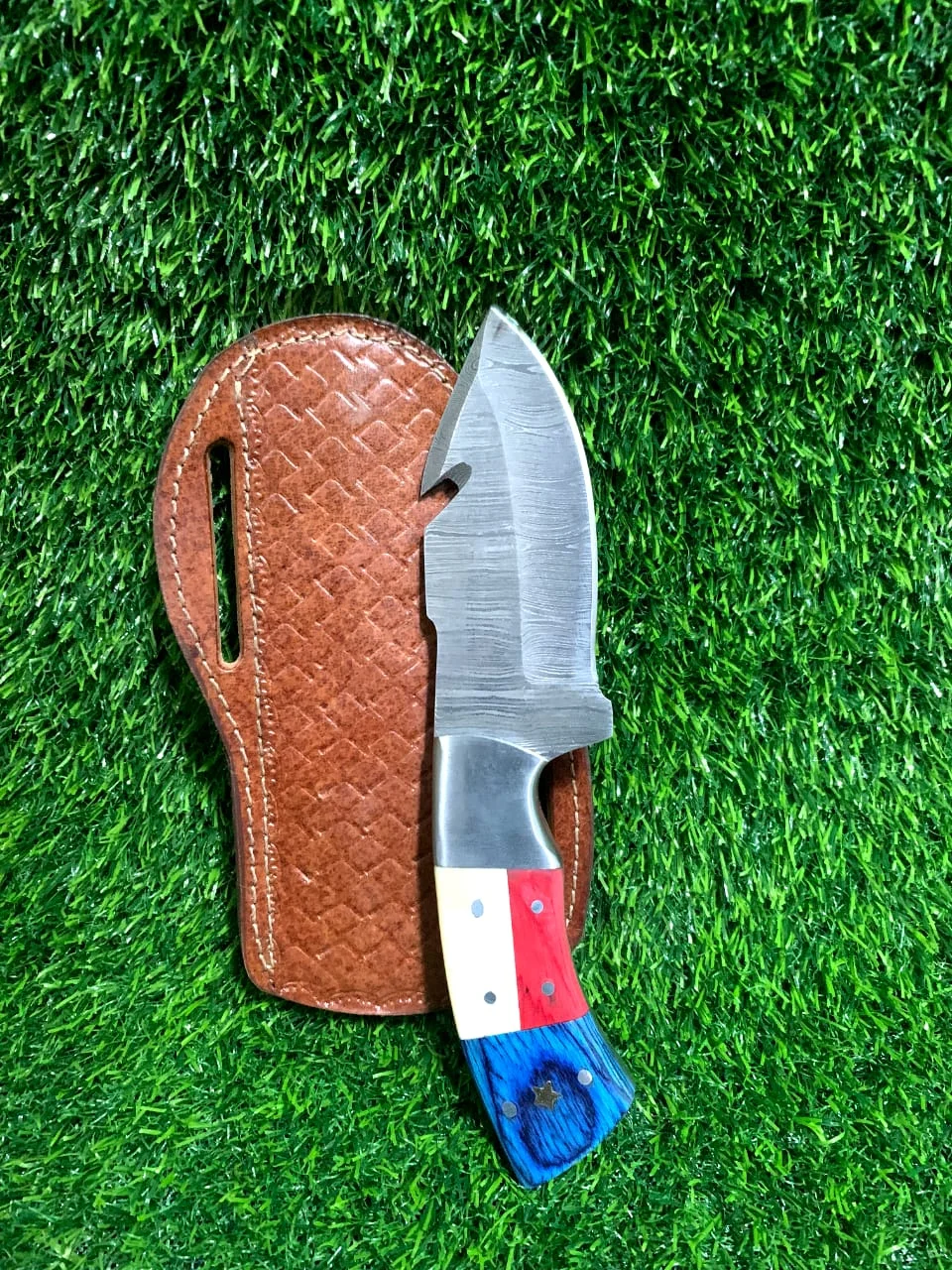
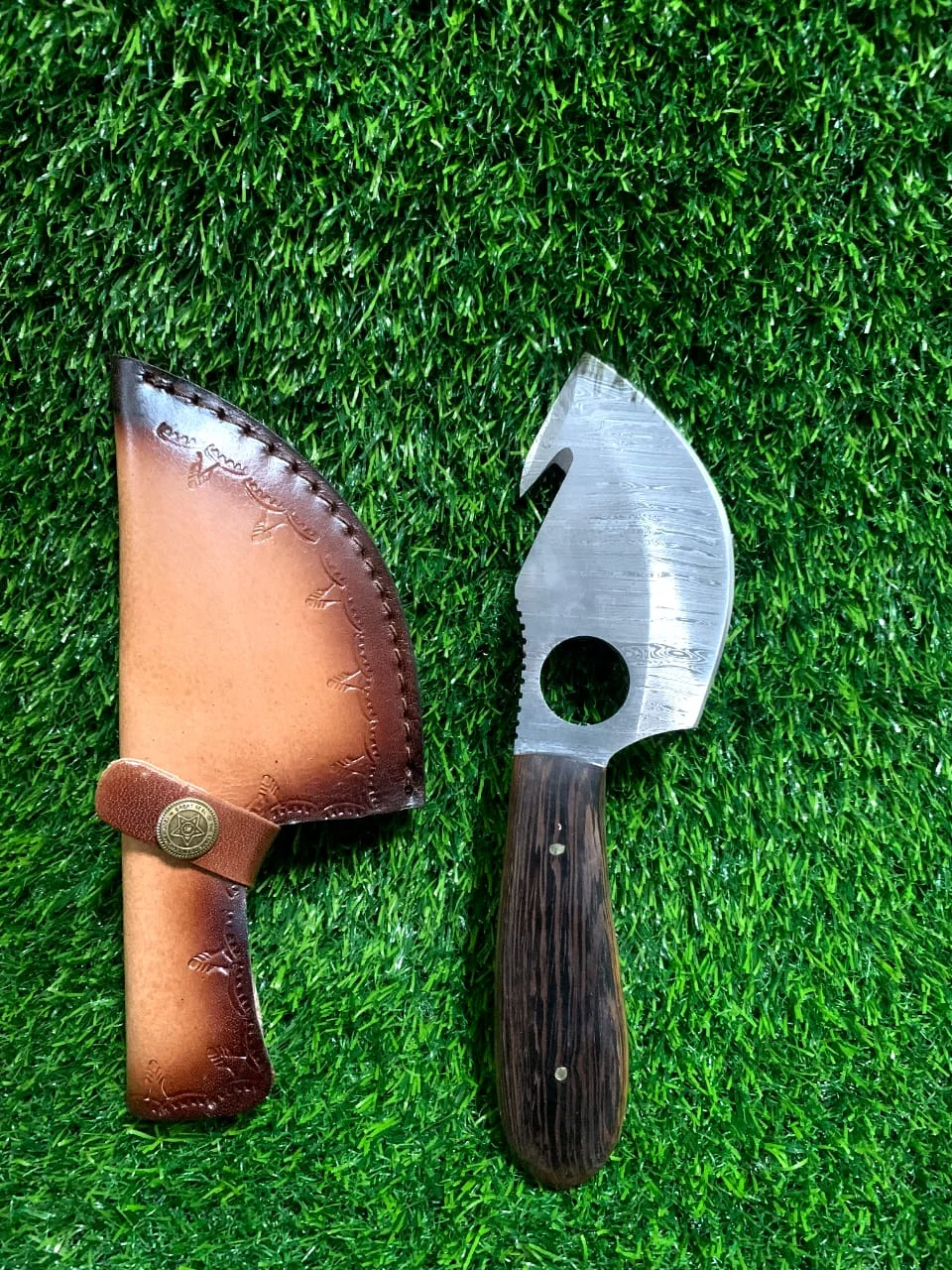
Genuine Damascus steel is created by forge-welding together multiple layers of two or more different steel alloys, then repeatedly folding and re-forging the resulting billet to build up dozens or hundreds of actual physical layers within the steel itself. The distinctive wavy pattern comes from those real layers being ground and etched to reveal the different alloys' contrasting response to acid.
How Fake "Damascus-Look" Blades Are Made
Imitation Damascus blades are made from a single piece of ordinary steel, with the pattern applied afterward — either etched with acid through a pattern mask, laser-etched, or in the cheapest cases simply printed or coated onto the surface. There's no actual layered steel structure underneath; the pattern exists only on the surface.
The Sandpaper Test
This is the most reliable simple test: sand a small, inconspicuous spot on the blade with fine sandpaper. On genuine Damascus, the pattern reappears after sanding, because the layers run through the entire cross-section of the steel — you're revealing the same real structure, not removing a surface coating. On a fake, sanding removes the printed or etched pattern and reveals plain, unpatterned steel underneath, since there was never any real layered structure to begin with.
Other Ways to Verify Authenticity
- Check the edge cross-section: genuine Damascus shows layer lines running through the very edge of the blade itself, visible under magnification, not just on the flat sides.
- Ask about the forging process: a reputable seller of genuine Damascus should be able to describe the actual forge-welding and folding process, not just describe "the pattern."
- Price as a signal: genuine hand-forged Damascus is labor-intensive to produce and priced accordingly — an unusually cheap "Damascus" knife is a reasonable cause for suspicion.
- Weight and balance: not a definitive test on its own, but genuine forge-welded Damascus often has a distinct heft and balance compared to a lighter, single-piece imitation blade of similar dimensions.
Why This Matters Beyond Aesthetics
Genuine Damascus isn't just about the pattern — the forge-welding process, done well, can combine the best properties of its component steels (hardness and toughness, for example) into a blade that performs better than either steel alone. An imitation blade, being a single ordinary steel underneath a cosmetic pattern, doesn't offer any of that performance benefit regardless of how convincing the surface pattern looks.
What to Look for When Buying
Buy from sellers who can speak specifically to their forging process, are transparent about the steel types used in the billet, and back the claim with visible layer structure at the edge under magnification — not just marketing language describing "Damascus pattern" without any of that underlying detail.


Comments (0)
No comments yet. Be the first to share your thoughts!
Leave a comment
Your comment will appear after it's reviewed. Your email is never shown publicly.