Everything you need to know about TSA rules for pocket knives in carry-on and checked bags before you fly.
The short answer is: almost never in carry-on, almost always fine in checked luggage — but the details of packing a knife safely for a flight matter more than most travelers realize, both for TSA compliance and for not damaging anyone's bag (including your own) along the way.
The Carry-On Rule
TSA prohibits virtually all knives from carry-on bags and your person at the security checkpoint, regardless of blade length or type — this includes small pocket knives, multitools with a blade, and butter knives with a serrated edge. The one narrow exception is plastic or round-bladed butter knives; anything with an actual cutting edge, sharp point, or metal blade of any length is not allowed through the checkpoint.
The Checked Baggage Rule
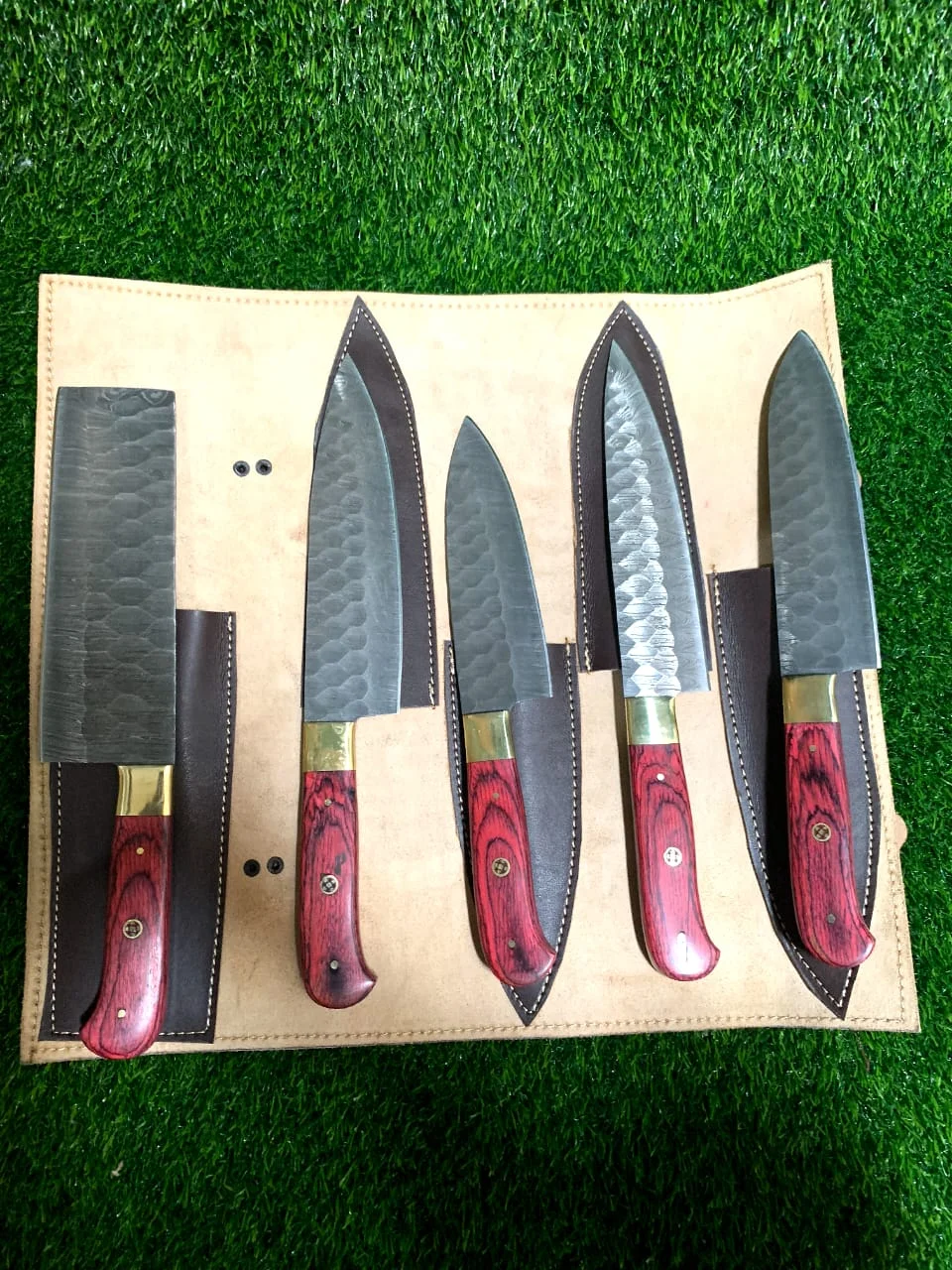
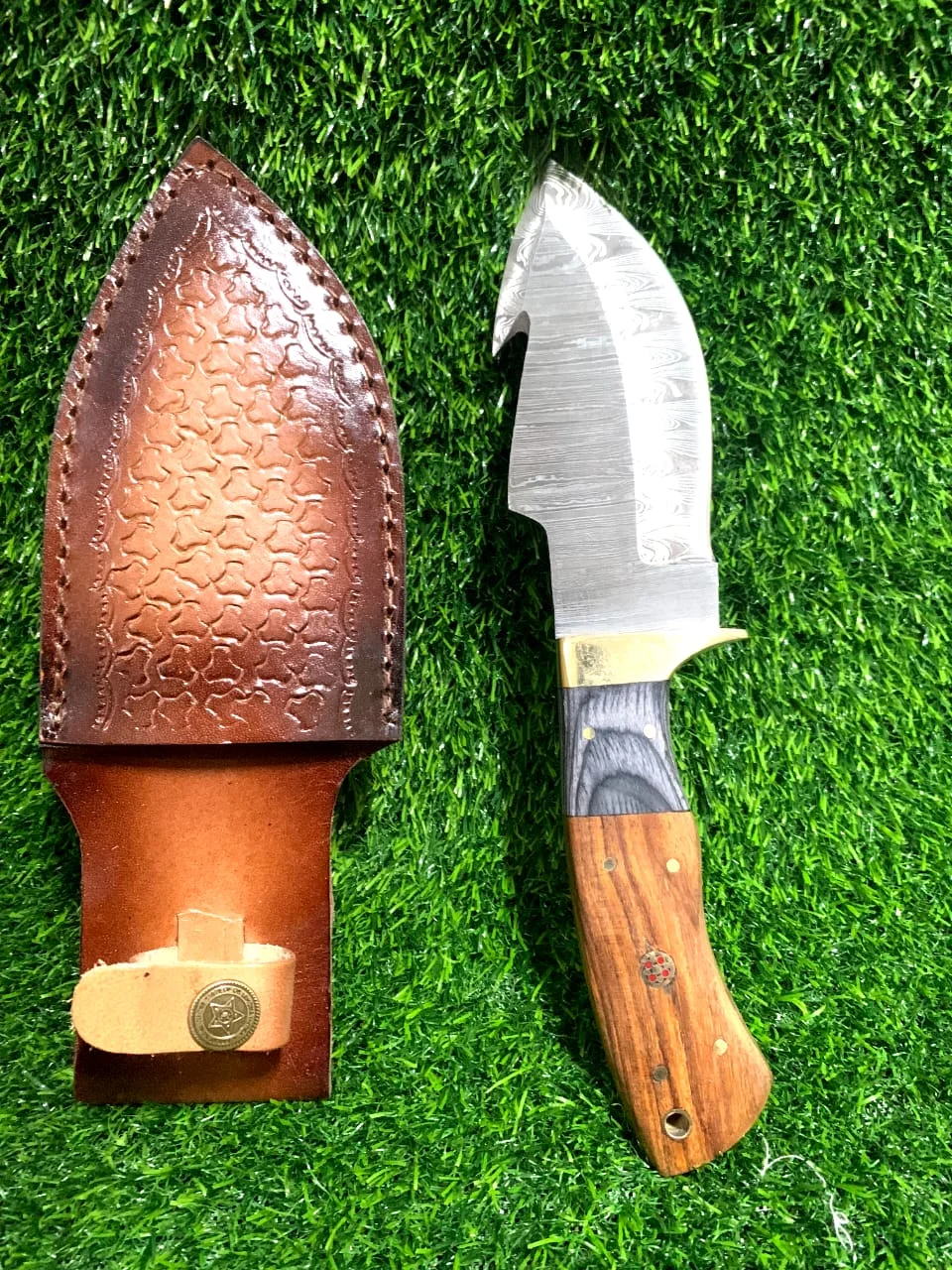
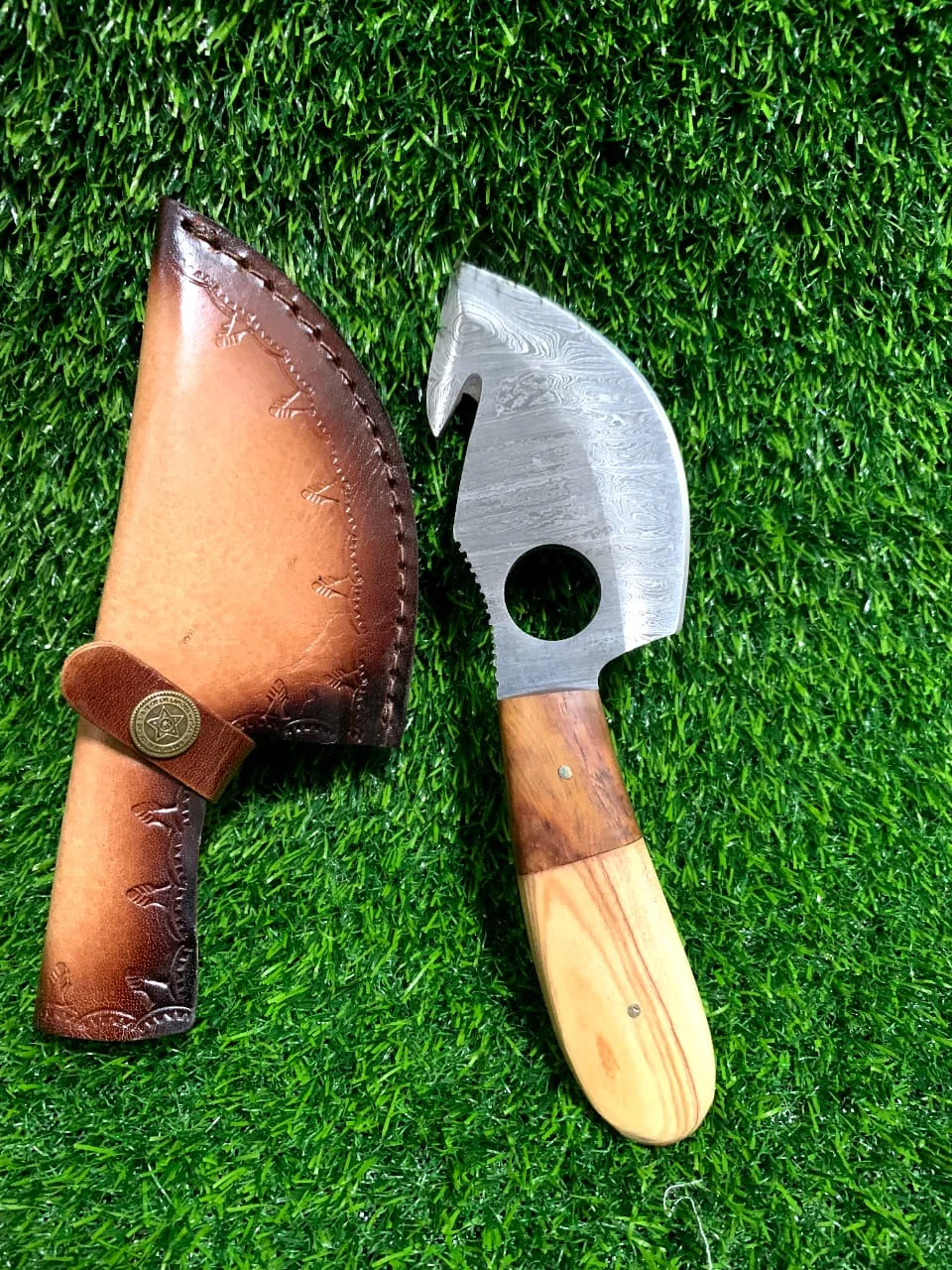
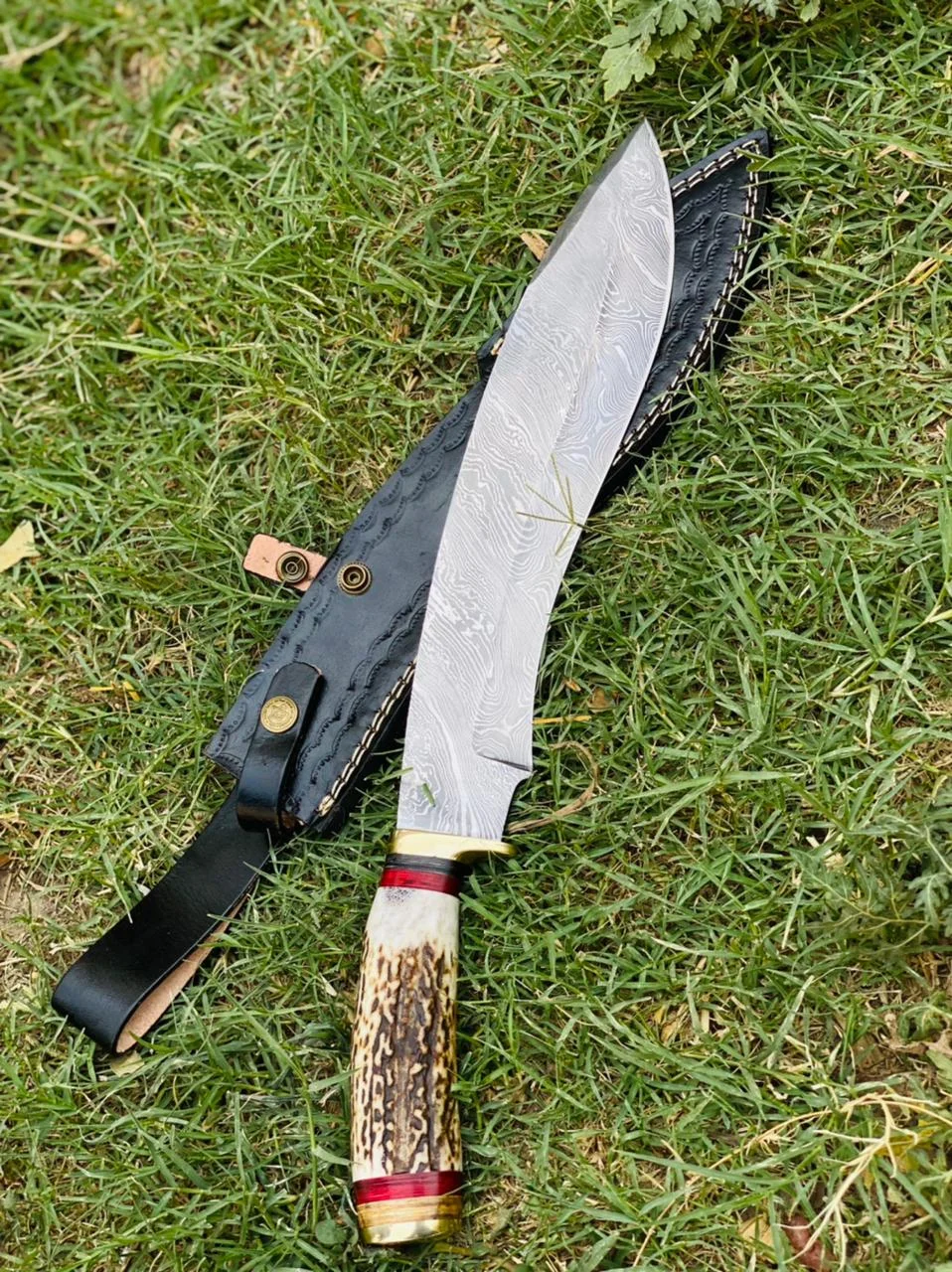
Almost any knife — pocket knives, fixed blades, kitchen knives, hunting knives — can go in checked luggage, since TSA's restriction is specifically about what passes through the security checkpoint into the cabin, not what flies in the belly of the plane. This is the standard way frequent travelers move knives, including expensive Damascus or collector pieces, between destinations.
How to Pack a Knife in Checked Luggage
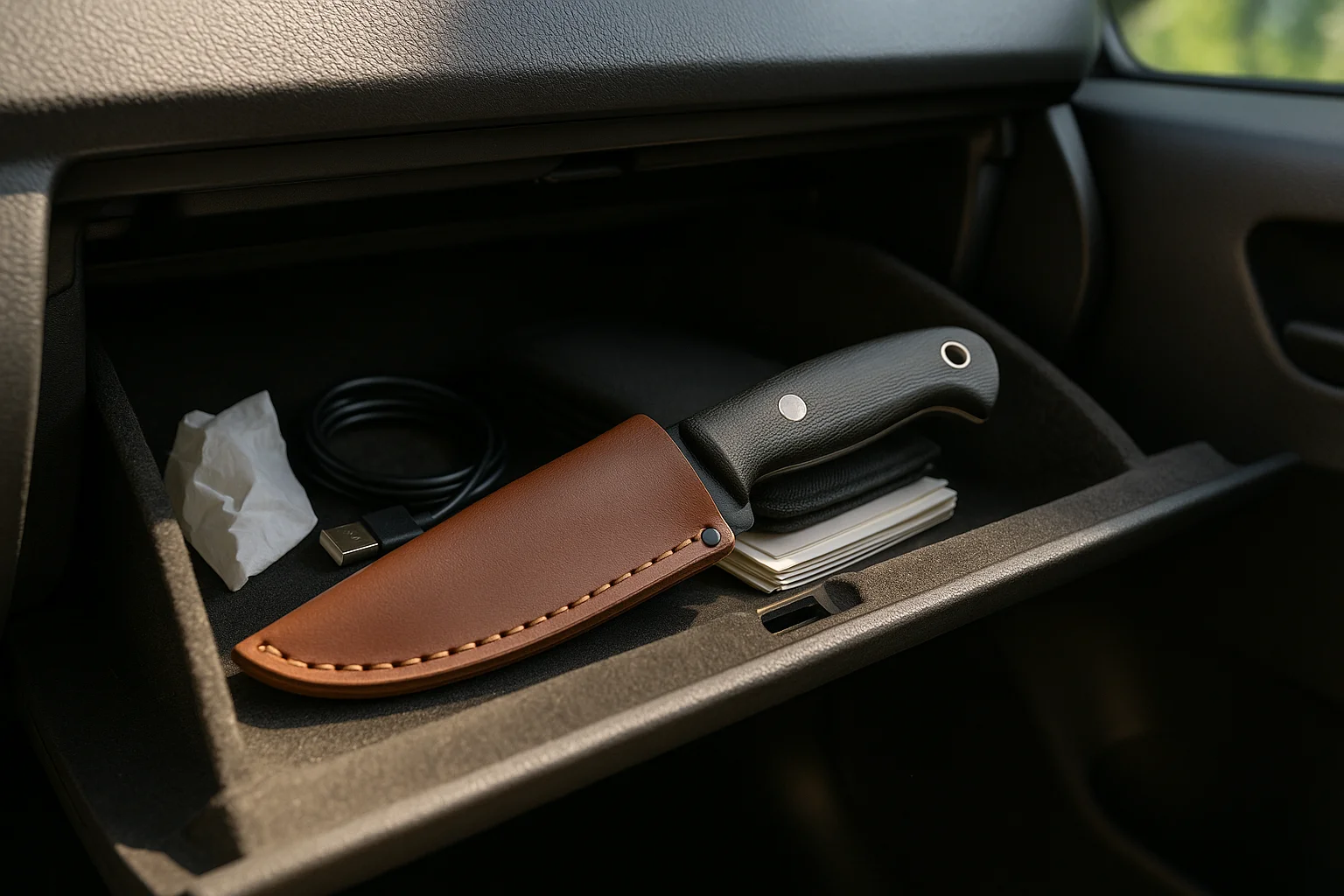
- Sheath or blade guard: use the knife's original sheath if it has one, or a rigid blade guard, to prevent the edge from cutting through fabric or other contents.
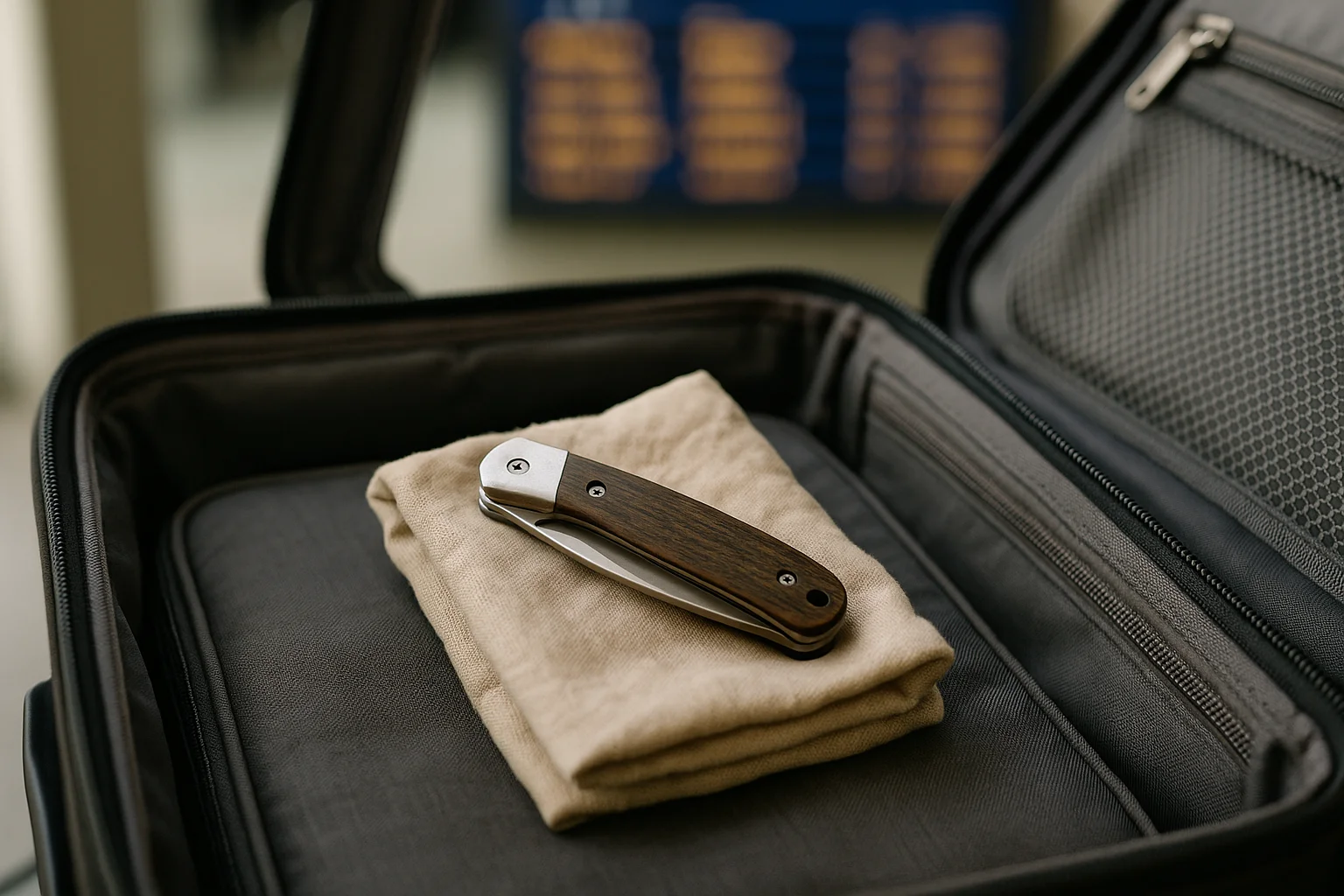
- Wrap it separately: a cloth wrap or a small hard case adds another layer of protection and keeps the blade from shifting loose in transit.
- Position it centrally: pack it toward the middle of the suitcase, surrounded by clothing, rather than pressed against the outer shell where impacts are more likely.
- Consider the recipient: baggage handlers open bags for security screening — a knife that's clearly and safely sheathed, rather than loose, reduces both damage risk and any confusion during a manual inspection.
What Happens If a Knife Is Found in Carry-On
If a prohibited knife turns up in carry-on at the checkpoint, the most common outcomes are voluntarily surrendering it into the checkpoint's bin (it will not be returned), or — if there's time — leaving the checkpoint to check the bag containing it instead. TSA officers have discretion in specific situations, but the safest assumption is that any knife found in carry-on will be confiscated.
International and Airline-Specific Differences
TSA rules apply to flights departing the US; other countries' security agencies set their own rules, which are sometimes stricter (a few nations restrict certain knife types in checked baggage too). Individual airlines can also apply additional restrictions beyond TSA's baseline, particularly for larger fixed blades or knives that could be classified as weapons under local law at the destination — worth a quick check if you're traveling internationally with anything beyond a small folder.
A Simple Pre-Flight Checklist
- Confirm the knife is packed in checked luggage, not carry-on or on your person.
- Sheath or guard the blade and wrap it separately from other items.
- Double-check destination-country rules if traveling internationally.
- Keep any receipt or documentation for a valuable knife in case it needs to be declared or described during screening.
This article is general information about TSA policy, not legal advice — verify current rules at tsa.gov before you travel, especially internationally.


Comments (0)
No comments yet. Be the first to share your thoughts!
Leave a comment
Your comment will appear after it's reviewed. Your email is never shown publicly.